
Your Blood Isn't Blue When Its Oxygen Is Depleted
The truth about why veins appear blue

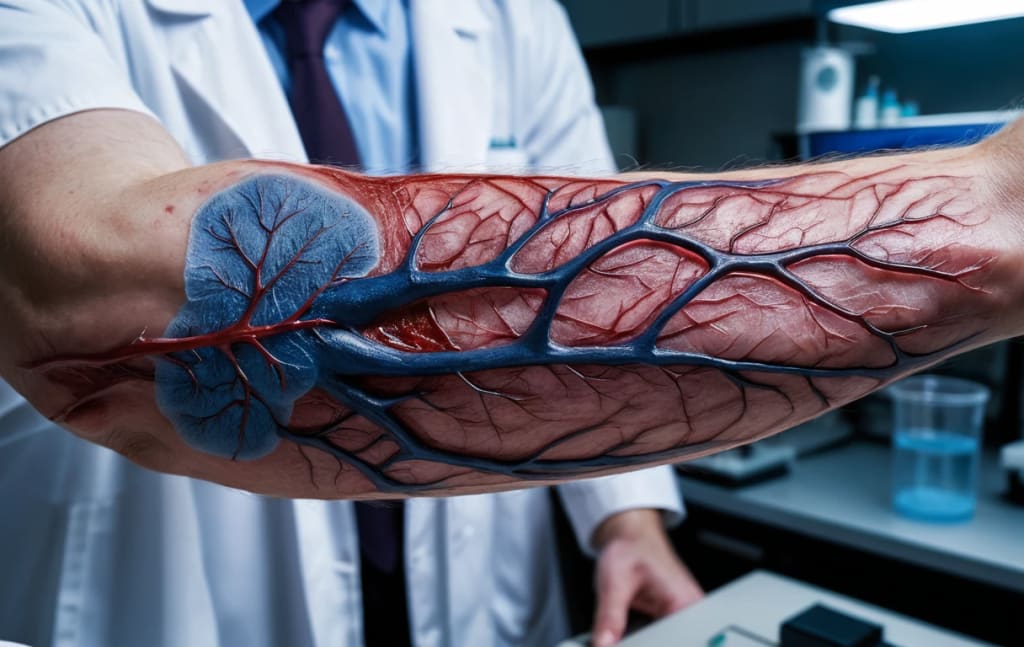
Ever wonder why your veins look blue even though we all know blood is red? If you’re like most people, you’ve probably heard that old myth about “blue blood” being something magical or special. But here's a truth bomb: blood is never blue. It’s always red, no matter what. The real mystery lies in how our veins appear that way, and trust me, it’s far more fascinating than you might think.
It all comes down to light and how it behaves when it hits your skin. When blood in your veins is oxygen-depleted, it turns a dark red color. It’s not blue. It’s just that when light passes through your skin, it scatters. The blue light waves are scattered more than others, which is why veins look blue to the naked eye. But don’t be fooled—this is just an illusion, not a reflection of your blood’s true color. It's one of those quirks of biology that seems simple once you break it down, yet people have been fooled for centuries.
Now, here’s where it gets even more interesting. The misconception of blue blood likely comes from how veins were depicted in early anatomy books. Artists back then used blue ink to show veins and red ink for arteries. This became an easy visual shortcut, but it wasn’t actually an accurate representation of what was going on inside our bodies. Unfortunately, the myth stuck, and even today, many of us still associate veins with the color blue, even though they never are.
To set the record straight, oxygen-rich blood is bright red, like the vibrant color you see when you cut your finger. When blood has delivered its oxygen to your body’s tissues and returns to your heart, it’s a darker red, but still undeniably red. And the veins you see through your skin just happen to scatter light in such a way that they appear blue. It’s a simple optical effect that tricks our eyes into seeing a color that doesn’t exist in the blood itself.
But the fun doesn’t stop there. The term "blue blood" has a whole other layer of meaning too, and it’s rooted in history. In the past, the phrase was used to describe aristocratic families, particularly in Spain, who were said to have pale skin that made their veins more visible. This made them look like their blood was truly blue, and it became a symbol of high status, nobility, and exclusivity. It’s interesting how a simple physical characteristic like pale skin turned into something much more profound, creating a social distinction that lasted for centuries.
Despite the accuracy of these historical explanations, it’s easy to see how the idea of blue blood still lingers. It’s a catchy, mysterious term that feeds into the human fascination with something “special” or “elite.” Yet, when it comes to your body, the blue blood idea is nothing more than a misconception, and once you understand why veins appear blue, you’ll look at your own arm with a whole new perspective.
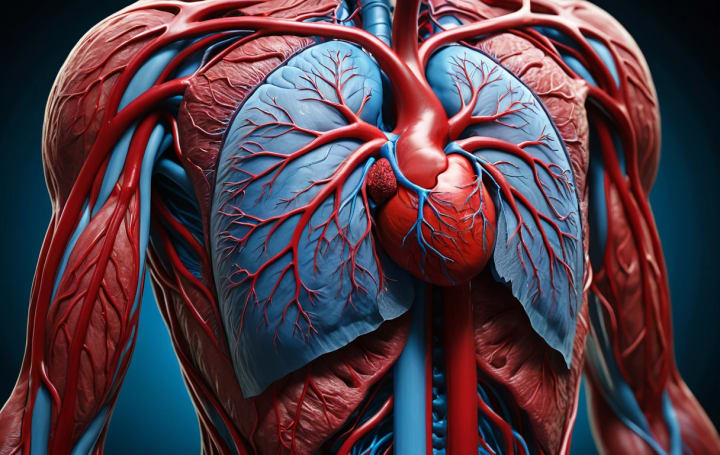
Let’s take a closer look at what actually happens when your blood circulates. As blood leaves your heart and heads to your lungs, it picks up oxygen, and when it returns to your heart to be pumped out to the rest of your body, it’s rich with the oxygen that fuels every cell. As it travels through your arteries, it remains that bright red color. However, once it delivers that oxygen to your muscles and organs, it’s no longer fully oxygenated. That’s when the color deepens to a darker red, which is the form of blood circulating in your veins.
It’s also worth mentioning that blood isn’t just one static color throughout its journey—it actually changes shades based on where it is and how much oxygen it’s carrying. Arteries, which carry oxygen-rich blood, have that bright red hue, while veins, which transport oxygen-depleted blood, reflect a darker shade. But despite all this, your veins still look blue because of that scattering light effect I mentioned earlier.
The whole "blue blood" myth, especially in relation to aristocracy, ties into our ongoing fascination with exclusivity and status. For centuries, noble families have been associated with an air of superiority, and even something as trivial as their vein color took on a symbolic significance. So while the actual truth behind blood and veins is more down-to-earth than these old myths, it’s still remarkable how something as basic as a color illusion can carry so much weight in our cultural history.
As you now know, there’s absolutely no such thing as blue blood. Your veins are not filled with some rare fluid reserved for royalty—they simply reflect light in a way that makes them look blue. It’s just a trick of nature, a beautiful optical illusion that’s both fascinating and humbling when you think about it.
If anything, this myth reminds us that not everything we’re told, or that seems obvious, is actually true. Sometimes, it takes a little digging to uncover what’s really going on beneath the surface. And just like the misconception about our veins, there are plenty of other things in life that could use a little myth-busting. Keep looking, keep learning, and you’ll keep discovering truths that might just surprise you.
The next time someone mentions blue blood, feel free to tell them the real story. Your veins might look blue, but they’re just reflecting light in a way that’s too beautiful for us to ignore.
_______________
Disclaimer: The images presented are for illustration and conceptual purposes only. They do not depict actual events, objects, or persons but are artistic interpretations based on available information.
About the Creator
Ojo
🔍 I explore anything that matters—because the best discoveries don’t fit into a box...
Staying Awake in a Culture That Fears Awareness
Staying Awake in a Culture That Fears Awareness There is a strange trend unfolding in the modern world, one that reveals more about the collective spiritual condition than most people realize. A subset of society has begun to mock the idea of being “awake,” twisting the word into an insult, a punchline, even a supposed symptom of instability. They use it as shorthand for delusion, as if awareness itself were a threat to public order. They speak of being awake with a smirk, as though clarity were a flaw and compassion were a weakness. It is a cultural inversion so complete that it would be comical if it were not so revealing.
By Julie O'Hara - Author, Poet and Spiritual Warrior3 days ago in Humans




Comments
There are no comments for this story
Be the first to respond and start the conversation.