
Yellow Journalism: A Historical Perspective and Its Ongoing Impact

Introduction
Yellow journalism, a term that evokes images of sensational headlines and exaggerated stories, has played a significant role in shaping public perception and the media landscape. While it originated in the late 19th century, its influence continues to resonate in modern journalism, raising concerns about the integrity and responsibility of the press. This article examines the history of yellow journalism, its ramifications, and the measures taken to curb its effects.
The History of Yellow Journalism
The phrase "yellow journalism" emerged in the 1890s during a period of intense rivalry between two New York City newspapers: Joseph Pulitzer's New York World and William Randolph Hearst's New York Journal. Both publications sought to boost circulation through sensational reporting, eye-catching headlines, lurid illustrations, and dramatic stories that often sacrificed accuracy for shock value.
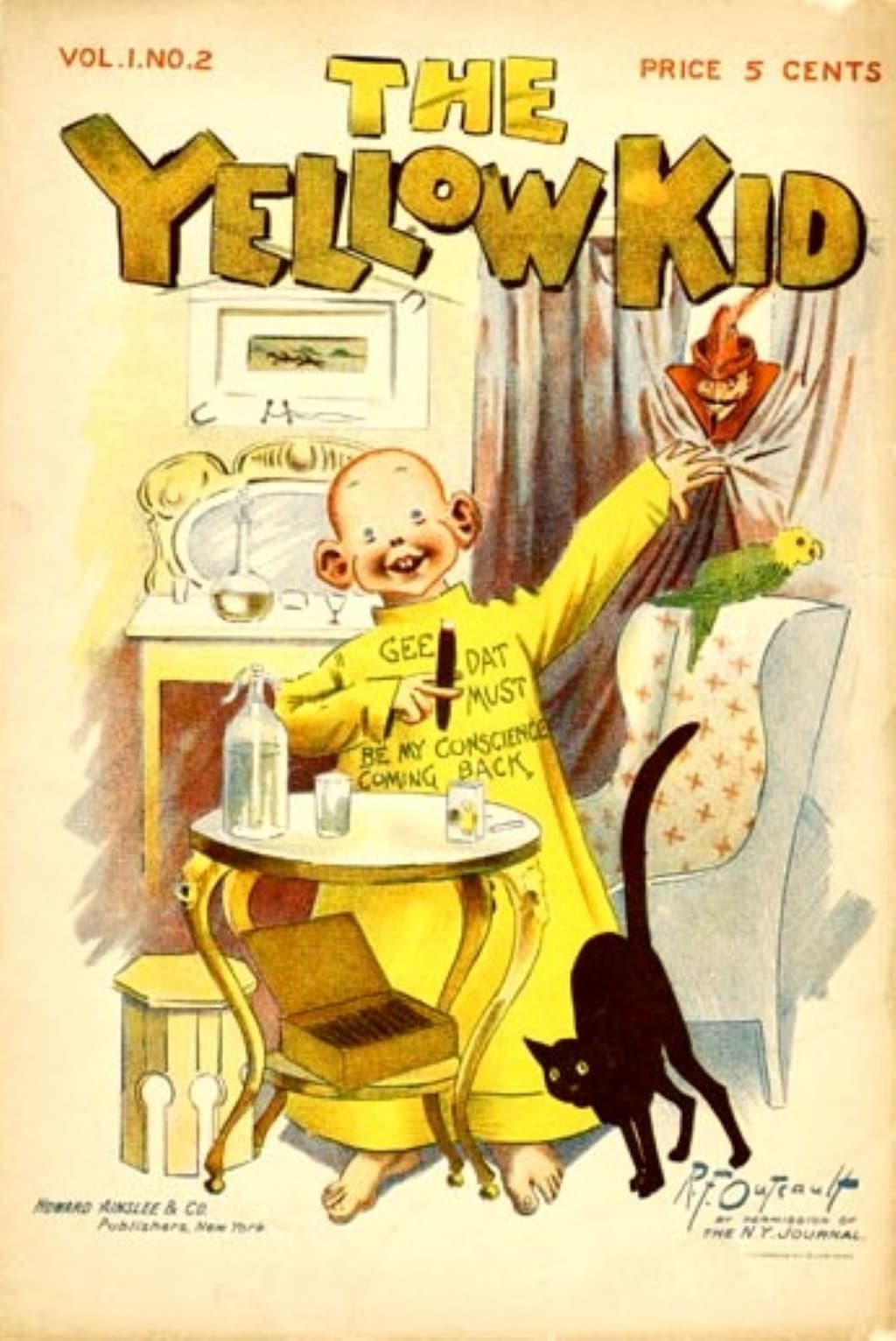
The term itself is believed to have originated from the "Yellow Kid," a popular comic strip character featured in both papers. The competition to feature the comic and attract readers with ever more outrageous stories gave rise to the label "yellow journalism." This style was characterized by little or no legitimate well-researched news, instead relying on exaggeration, scandal-mongering, and sensationalism.
Notably, yellow journalism played a pivotal role in stirring public sentiment during the lead-up to the Spanish-American War in 1898. Exaggerated reports of Spanish atrocities in Cuba and inflammatory headlines fueled public outrage, ultimately influencing U.S. foreign policy.
Ramifications of Yellow Journalism
The impact of yellow journalism extends far beyond the pages of newspapers. Its most significant ramifications include:
• Distortion of Facts: Sensationalist reporting often blurs the line between fact and fiction, leading to misinformation and a poorly informed public.
• Public Manipulation: By exploiting emotions and sensationalizing issues, yellow journalism can manipulate public opinion and provoke unwarranted reactions, sometimes with serious social or political consequences.
• Erosion of Trust: Persistent exaggeration and fabrication erode public trust in media institutions, undermining the essential role of a free press in a democratic society.
• Ethical Challenges: Journalists face ethical dilemmas when pressured to prioritize sensationalism over accuracy, which can compromise professional standards and journalistic integrity.
Attempts to Overcome Yellow Journalism
Recognizing the dangers posed by yellow journalism, various efforts have been made to promote ethical reporting and restore public trust. Some notable attempts include:
1. Professional Standards and Codes of Ethics:
2. Many media organizations have established codes of ethics that emphasize accuracy, fairness, and accountability. Professional bodies such as the Society of Professional Journalists advocate for responsible journalism and provide guidelines to discourage sensationalism.
3. Fact-Checking Initiatives:
4. The rise of independent fact-checking organizations, such as PolitiFact and Snopes, helps verify the accuracy of news stories and exposes misinformation, reinforcing the importance of credible reporting.
5. Media Literacy Education:
6. Educational programs aimed at improving media literacy empower consumers to critically evaluate news sources, recognize biases, and differentiate between factual reporting and sensationalism.
7. Regulatory Oversight:
8. While the First Amendment protects press freedom in the United States, some countries have established regulatory bodies to monitor media content and enforce standards, though these measures must balance freedom with responsibility.
9. Digital Platforms and Algorithms:
10. In the age of social media, platforms are increasingly employing algorithms and moderation policies to limit the spread of false or sensational news, though challenges remain in implementation and effectiveness.
Conclusion
Yellow journalism remains a cautionary tale in the history of media, highlighting the dangers of prioritizing sensationalism over truth. While its origins lie in the fierce competition of 19th-century newspapers, its legacy persists in various forms today, especially with the proliferation of digital media. Combating yellow journalism requires a collective commitment to ethical standards, critical thinking, and ongoing education to ensure the press fulfills its vital role in society ... informing the public with accuracy, integrity, and responsibility.
-Julie O’Hara
THANK YOU for reading my work. I am a global nomad/permanent traveler, or Coddiwombler, if you will, and I move from place to place about every three months. I am currently in Chile and from there, who knows – probably Argentina? I enjoy writing articles, stories, songs and poems about life, spirituality and my travels. You can find my songs linked below. Feel free to like and subscribe on any of the platforms. And if you are inspired to, tips are always appreciated, but not necessary. I just like sharing.
YouTube Top Song List.
https://www.YouTube.com/results?search_query=julia+o%27hara+top+songs
Amazon PlayList
https://www.amazon.com//music/player/artists/B0D5JP6QYN/julia-o'hara
Spotify PlayList
https://open.spotify.com/artist/2sVdGmG90X3BJVn457VxWA
You can also purchase my books here:
https://www.lulu.com /spotlight/julie-ohara
I am also a member of Buy Me A Coffee – a funding site where you can “buy me a cup of coffee.”
https:www.buymeacoffee.com/JulieOHara
About the Creator
Julie O'Hara - Author, Poet and Spiritual Warrior
Thank you for reading my work. Feel free to contact me with your thoughts or if you want to chat. [email protected]
Keep reading
More stories from Julie O'Hara - Author, Poet and Spiritual Warrior and writers in Humans and other communities.
John F. Kennedy, Catholicism, and the 1960 Presidential Election
Introduction In 1960, John F. Kennedy made history by becoming the first Roman Catholic elected President of the United States. His path to the White House, however, was anything but certain. Kennedy’s Irish Catholic heritage became a central issue in the campaign, sparking widespread debate, suspicion, and even hostility across much of the electorate. This essay explores how Kennedy’s religious background nearly cost him the presidency, the strategies he employed to overcome prejudice, and why his faith became such a contentious issue in American political life.
By Julie O'Hara - Author, Poet and Spiritual Warrior4 months ago in Humans
The CEO of Everything
They say "jack of all trades, master of none," but they forgot to mention the part where the jack of all trades is also the camera woman, the makeup artist, and the person currently yelling at a tangled Wii microphone cable in a her own bathroom while recording herself singing and trying to make it look realistic and professional. (As professional as you can make it with nothing but a cell phone camera and a mic that doesn't work)
By Sara Wilson7 days ago in Humans
The Monkey and the Soldier
Shahab was a kind-hearted and compassionate soldier. One day, he was returning to his village to spend his leave. On his way, he had to pass through a dense forest. As he rode through, he noticed a thorny bush shaking violently. Curious and cautious, he dismounted his horse, drew his sword, and called out: “Who’s there? Come forward, or I will cut you into pieces!”
By Sudais Zakwan2 days ago in Humans


Comments
There are no comments for this story
Be the first to respond and start the conversation.