
John F. Kennedy, Catholicism, and the 1960 Presidential Election
How Religious Identity Shaped a Historic American Campaign

Introduction
In 1960, John F. Kennedy made history by becoming the first Roman Catholic elected President of the United States. His path to the White House, however, was anything but certain. Kennedy’s Irish Catholic heritage became a central issue in the campaign, sparking widespread debate, suspicion, and even hostility across much of the electorate. This essay explores how Kennedy’s religious background nearly cost him the presidency, the strategies he employed to overcome prejudice, and why his faith became such a contentious issue in American political life.
Historical Context: Anti-Catholic Sentiment in America
Anti-Catholicism has deep roots in American history, tracing back to the colonial era and intensifying throughout the 19th and early 20th centuries. Waves of Irish and other Catholic immigrants faced discrimination and suspicion from the largely Protestant majority. By the time Kennedy entered politics, Catholics were still seen by many as outsiders whose allegiance to the Pope in Rome was believed to be at odds with American values and the principle of separation of church and state.
Kennedy’s Irish Catholic Identity as a Political Obstacle
John F. Kennedy’s candidacy reignited longstanding fears about Catholic influence in government. Many Americans worried that, as president, Kennedy might be beholden to the Vatican rather than to the U.S. Constitution. Prominent Protestant leaders and organizations, including some evangelical groups and the National Association of Evangelicals, openly questioned whether a Catholic could faithfully serve as president. Rumors and conspiracy theories circulated, suggesting that a Kennedy victory would mean papal control over American policy.
This skepticism was particularly pronounced in the South and parts of the Midwest, regions where Protestantism was deeply entrenched and anti-Catholic sentiment remained strong. In the Democratic primaries, Kennedy faced fierce opposition from figures like Hubert Humphrey and Lyndon B. Johnson, who subtly played on these fears. Polls before the general election indicated that a significant portion of the electorate was reluctant to vote for a Catholic candidate.
The 1960 Campaign: Addressing the Religious Question
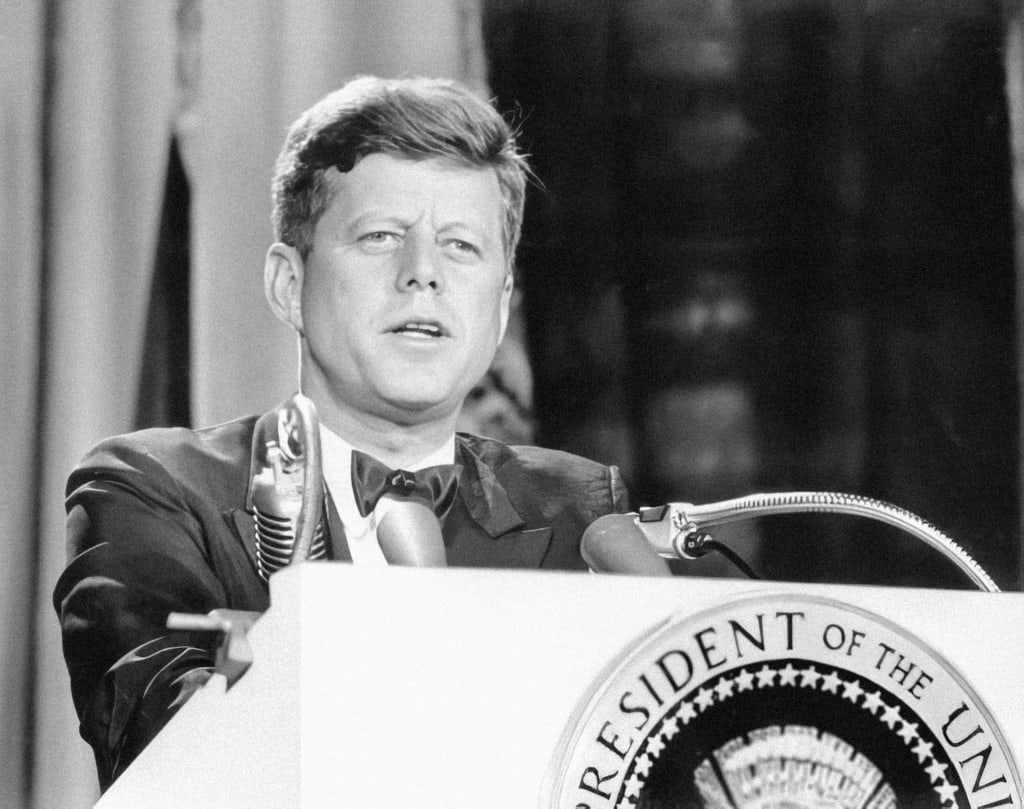
Recognizing the threat posed by religious prejudice, Kennedy tackled the issue head-on. His most famous response came in September 1960, when he addressed a gathering of Protestant ministers in Houston, Texas. In his speech, Kennedy declared, “I am not the Catholic candidate for President. I am the Democratic Party’s candidate for President, who happens also to be a Catholic.” He firmly asserted his belief in the absolute separation of church and state and pledged to make decisions in the national interest, not at the behest of any religious authority.
Kennedy’s direct approach helped to alleviate some fears, but the issue persisted throughout the campaign. His team worked tirelessly to reach out to Protestant communities, reassure skeptical voters, and emphasize shared American values over sectarian differences. Kennedy’s charisma, eloquence, and focus on pressing national issues, such as the Cold War and civil rights, gradually shifted attention away from his faith.
Why Was There Such Pushback?
The pushback against Kennedy’s candidacy was rooted in a combination of historical, cultural, and political factors. For centuries, Protestantism had been closely tied to American national identity. Many Protestants viewed the Catholic Church as authoritarian and undemocratic, fearing that a Catholic president would undermine the country’s foundational principles. The specter of foreign influence—especially from the Vatican—was a recurring theme in American political discourse.
Additionally, the 1960 election took place during the height of the Cold War, a time of anxiety about outside threats and ideological purity. Kennedy’s opponents exploited these fears, framing his Catholicism as a potential vulnerability in the struggle against global communism. The media played a significant role in amplifying the religious question, ensuring it remained a central topic of debate throughout the campaign.
Victory and Its Significance
Despite the obstacles, Kennedy narrowly defeated Richard Nixon in one of the closest elections in U.S. history. His victory marked a turning point in American politics, breaking a longstanding religious barrier and signaling a gradual shift toward greater religious tolerance. Kennedy’s success demonstrated that voters could look beyond sectarian differences when choosing their leaders, laying the groundwork for future candidates from diverse backgrounds.
Conclusion
John F. Kennedy’s journey to the presidency was as much a battle against religious prejudice as it was a contest of political ideas. His ability to confront and transcend anti-Catholic sentiment changed the landscape of American politics, affirming the nation’s commitment to religious freedom and pluralism. Kennedy’s legacy endures not only as the first Catholic president but as a symbol of progress toward a more inclusive democracy.
-Julie O’Hara
THANK YOU for reading my work. I am a global nomad/permanent traveler, or Coddiwombler, if you will, and I move from place to place about every three months. I am currently in Chile and from there, who knows – probably Argentina? I enjoy writing articles, stories, songs and poems about life, spirituality and my travels. You can find my songs linked below. Feel free to like and subscribe on any of the platforms. And if you are inspired to, tips are always appreciated, but not necessary. I just like sharing.
YouTube Top Song List.
https://www.YouTube.com/results?search_query=julia+o%27hara+top+songs
Amazon PlayList
https://www.amazon.com//music/player/artists/B0D5JP6QYN/julia-o'hara
Spotify PlayList
https://open.spotify.com/artist/2sVdGmG90X3BJVn457VxWA
You can also purchase my books here:
https://www.lulu.com /spotlight/julie-ohara
I am also a member of Buy Me A Coffee – a funding site where you can “buy me a cup of coffee.”
https:www.buymeacoffee.com/JulieOHara
About the Creator
Julie O'Hara - Author, Poet and Spiritual Warrior
Thank you for reading my work. Feel free to contact me with your thoughts or if you want to chat. [email protected]
Keep reading
More stories from Julie O'Hara - Author, Poet and Spiritual Warrior and writers in Humans and other communities.
Catholicism in the Spotlight: Is the Faith Becoming Trendy Among Celebrities and Politicians?
Introduction In recent years, Catholicism has emerged with renewed visibility in the worlds of celebrity and politics. Once considered a private aspect of personal identity, faith—specifically Catholicism—is now openly discussed and embraced by an increasing number of public figures. This article examines the phenomenon, focusing on figures such as Senator J.D. Vance, commentator Charlie Kirk, political strategist Karolyn Leavitt, and President Joe Biden. What does this trend say about the intersection of faith, public persona, and political discourse?
By Julie O'Hara - Author, Poet and Spiritual Warrior4 months ago in Humans
The CEO of Everything
They say "jack of all trades, master of none," but they forgot to mention the part where the jack of all trades is also the camera woman, the makeup artist, and the person currently yelling at a tangled Wii microphone cable in a her own bathroom while recording herself singing and trying to make it look realistic and professional. (As professional as you can make it with nothing but a cell phone camera and a mic that doesn't work)
By Sara Wilson7 days ago in Humans
Brooklyn Beckham and the Quiet Weight of Growing Up Famous
Growing up is rarely simple, but growing up in public is something else entirely. Brooklyn Beckham has lived most of his life under watchful eyes, long before he had the chance to decide who he wanted to be. To many, his name brings images of famous parents, magazine covers, and headlines that never seem to rest. But behind that name is a young man trying to find direction, purpose, and peace while the world comments on every step. Brooklyn Beckham’s story is not just about fame. It is about expectation, identity, and the quiet pressure of becoming yourself when everyone already thinks they know you.
By Muqadas khan4 days ago in Humans


Comments
There are no comments for this story
Be the first to respond and start the conversation.