
Writing: Romantic Conflict
How to create romantic tension between your main characters


From Shakespeare's Romeo and Juliet, Austen's Elizabeth and Darcy to Bronte's Heathcliff and Cathy, romantic conflict tends to be rooted in miscommunication between the main pairing. Yet technically, the tragedies that unfold really stem from one overhearing part of a conversation and the other missing a letter by minutes and jumping to conclusions. Both deadly subsequent outcomes could quite clearly have been avoided with open communication.
Normal People and Wuthering Heights have similar barriers between the star-crossed lovers in regards to differing social class and privilege, but what struck me with the former were the characters' inability to actually express their feelings. This is very common for writing romance, but the conflict usually lies in a lack of communication and this can actually hinder the audience from being invested in the fledging romance.

On writing conflict, this is what is supposed to keep your characters from being together and keep your audience compelled to keep reading/watching. This can be outside forces - racism, sexism, social discrimination, homophobia, ableism, negative influences from family/friends - or internal conflict like unresolved trauma, fears of being emotionally/intimately vulnerable, past insecurities or fear of repeating the mistakes of your parents. All of these are valid struggles that many can identify with, but when the characters refuse to speak - it becomes a rather weak excuse.
From her book On Writing Romance, Leigh Michaels identifies several clichés when writing a convincing love story:
Fighting, arguing, or disagreeing. Sometimes conflict is expressed in heated discussions or shouting matches, but two people can be locked in conflict without ever raising their voices, and they can also bicker incessantly without ever addressing an important issue.
A delay. An event that simply delays a hero’s or heroine’s progress toward a goal is only an incident. If another character sidetracks the heroine to talk about an unrelated problem, and this discussion keeps her from confronting the hero, that’s not conflict.
Failure to communicate. Misunderstanding each other, making wrong assumptions, jumping to conclusions, or wrongly judging one another are not illustrations of conflict, but of the hero and heroine’s inability to make themselves clear.
The trouble-causing interference of another person. If the meddling of another person causes problems, the main characters can appear too passive to take charge of their own lives or stand up for themselves.
A main character’s unwillingness to admit that the other person is attractive. Though romance characters attempt to fight off their attraction, conflict lies in the underlying reasons why it seems inappropriate or unwise to fall in love with this person.
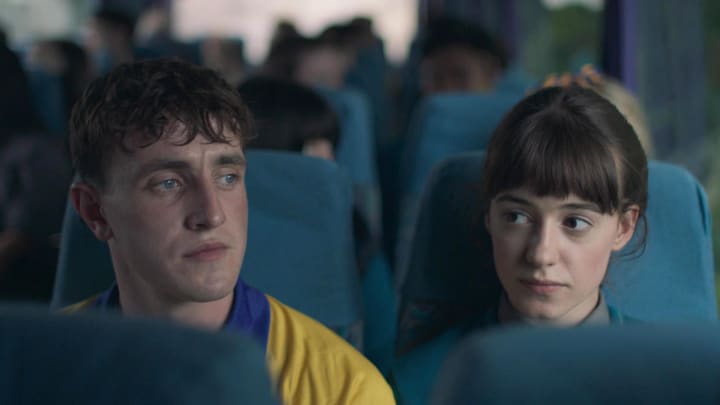
This is where I feel Marianne and Connell's relationship sits throughout the major conflicts in their relationship. At one point or another, their conflict has hit these narrative beats. At the start of the series, it is a bit more understandable when they are teenagers, but as they get older - that justification of how they literally drift in and out of a relationship lacks a valid argument. Granted, the last three episodes show character growth on both sides - but I felt like the show missed moments to explore these themes through dialogue.
Conflict is going to happen in your script/book, otherwise there will be no payoff or investment if they're blissfully in love constantly or have sex by episode two - it'll get boring fast, because no one really wants to sit through uncomplicated happiness. If your audience feel heartbroken by seeing your couple fighting their feelings or unable to express them, you've achieved a main goal: Make the audience care about these characters. When writing romantic pairings, we already know we are about to see the intimate and sometimes uncomfortable sides of a relationship.

I cannot stress this enough, if the only real conflict stopping your characters' relationship blossoming is there inability to have an actual conversation - find another conflict. There are so many layers to explore in writing a romantic relationship and a crucial thing to remember, your characters are also individuals outside this relationship. Your main characters must have internal goals and external goals that they're trying to reach. If you can bring your characters' goals into conflict, and thus the hero and heroine into conflict, you have a good chance of creating believable tension that will keep your audience engaged.
The conflict must be believable and compelling - it doesn't have to be epic-scale dramatic, everyday life and relatability can develop both characters. Look at the classic Pride & Prejudice - Elizabeth and Mr. Darcy are conflicted in their prejudices against one another's character and social status throughout the novel. For example, in their first encounter, Mr. Darcy calls Elizabeth is “tolerable, but not enough to tempt me.” (Austen p.12) This is an example of Darcy's heightened pride and expectations.
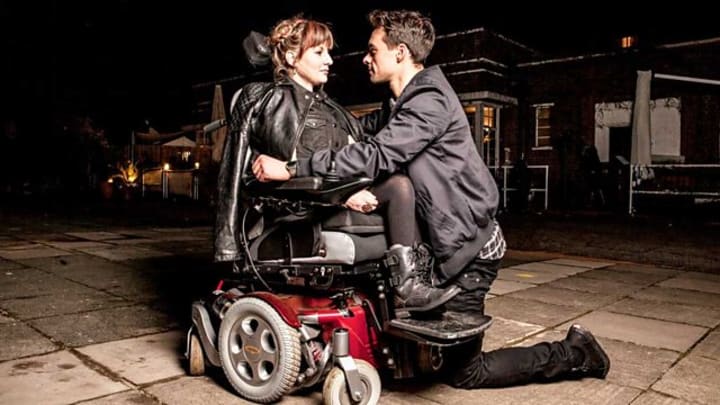
Or Ben A. Williams' BAFTA nominated film The Pass which depicts a romantic interaction between two young footballers that profoundly affects one of them throughout the rest of his life and career. Another great conflict comes from Don't Take My Baby written by Jack Thorne - 2016's Bafta award-winning factual drama which tells the story of a disabled couple's agonising struggle to keep their new-born baby, challenging prejudices about the disabled community.
At the heart of this story, you need to know what your characters are building towards: whether they overcome the conflicts and finally be together, decide they are better off not staying in a relationship or conclude in tragedy. Love stories aren't always comedic or easy-watching flicks, it gives writers the chance to explore complex and sometimes difficult themes from an intimate character perspective.
Some of the best romances don't end in happily ever after, but through self love and building a genuine connection with someone.
About the Creator
Ted Ryan
Screenwriter, director, reviewer & author.
Ted Ryan: Storyteller Chronicles | T.J. Ryan: NA romance
Socials: @authortedryan | @tjryanwrites | @tjryanreviews
The Author Diaries #1: The Storyteller’s Curse — Exclusive Prologue Reveal
Author’s Note: Dear Readers, Thank you for being here — for reading, subscribing, and stepping back into the world of The Storyteller Chronicles. When I finished Book One, I truly thought the story was done. Silas was defeated. The grimoire was safe. Lauren had saved the day — in two worlds — and her family were reunited.
By Ted RyanExclusive • 6 months ago
Why We Stare at Slow Drivers
Most drivers perform a strange ritual they never talk about. Someone ahead of them is moving so slowly it stretches patience to its thinnest thread. Once the gap opens and they can finally accelerate past, the same thing happens every time. They look. They turn their head just enough to catch a glimpse inside the other car. It feels automatic and unnecessary, but the body does it without taking a vote. The stare is not rudeness, and it is not about proving a point. It is part of a deeper behavioral process that starts the moment another driver interferes with your rhythm.
By Dr. Mozelle Martin | Ink Profilera day ago in Humans




Comments
There are no comments for this story
Be the first to respond and start the conversation.