
World Optometry Day: Optometry and Vision Care
The article shows what optometry is and how to care for your vision.
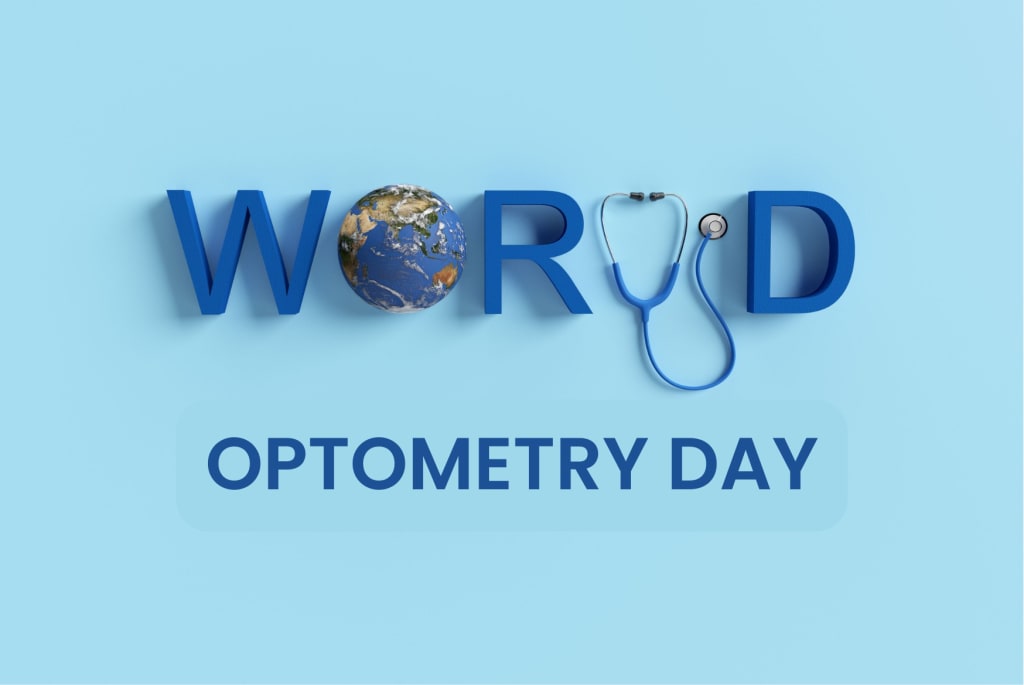
What do you usually do when feeling uncomfortable in the eyes? Will you close your eyes briefly to rest them, or use the eye drops yourself? A suggestion often ignored is to make an appointment with your optometrist. On March 23rd, as in the World Optometry Day, we attempt to raise awareness of the optometry and vision care, and also remind people to attach importance to optometry. This article explains how optometry works, what optometrists do, the importance of optometry, and how to care for your vision, in order to help you learn more about optometry.
What Is Optometry?
Optometry is a branch of healthcare that deals with the diagnosis and treatment of vision problems, as well as the prescription of eyeglasses or contact lenses. Optometrists are primary eye care providers, meaning they are often the first healthcare professionals that patients see when they have vision-related issues. Optometrists have extensive training in vision science and are equipped to diagnose and manage various eye conditions.
Optometry involves a series of eyesight tests designed to assess the eyes' health and quality of vision. The optometrist will use various tools and techniques to evaluate your eyes during an optometry appointment. These may include:
- Visual acuity eyesight test to measure how well you see at multiple distances
- A refraction test to determine your eyeglass prescription
- A slit lamp examination to examine the structures of the eye
- A tonometry test to measure the pressure within the eye
Except for optometrists, you might also hear of similar titles: ophthalmologists and opticians. While optometrists, ophthalmologists, and opticians all deal with eye care, they each have different roles and levels of training. Optometrists are primary eye care providers who can diagnose and treat various eye conditions. At the same time, ophthalmologists are medical doctors who specialize in eye care and can perform surgeries. Opticians, on the other hand, are trained to fit and dispense eyeglasses and contact lenses but cannot diagnose or treat eye conditions.
What Kind of Issues Will be Found by Optometry?
Optometrists can diagnose and manage many vision problems, including nearsightedness, farsightedness, astigmatism, and presbyopia. They can also detect eye conditions such as glaucoma, cataracts, macular degeneration, and diabetic retinopathy. Additionally, optometrists can prescribe eyeglasses or contact lenses to correct vision problems, also providing pre-and post-operative care for patients who have had eye surgery.
World Optometry Day: March 23rd
World Optometry Day is organized on March 23rd every year to raise awareness about the importance of regular eye care and recognize the contributions of optometrists worldwide. This day is an opportunity to educate the public about optometrists' role in promoting good eye health and preventing vision loss. You can take an essential step towards maintaining good vision and overall eye health by scheduling an appointment with your optometrist on World Optometry Day.
Why Is Optometry Important?
Optometry is a field of healthcare that is important for various reasons. Here are some of the critical reasons why optometry is so essential:
- Prevalence of Vision Problems: The World Health Organization (WHO) estimates that 2.2 billion people in the world are blind or have some other form of vision impairment. Of them, a billion have vision problems that could have been prevented or are still unresolved. Myopia (nearsightedness), hyperopia (farsightedness), astigmatism, presbyopia (age-related farsightedness), and color blindness are the most prevalent vision issues.
- Eye Discomfort can Lead to Vision Loss: Some common eye conditions, such as glaucoma, macular degeneration, and diabetic retinopathy, can lead to permanent vision loss if left untreated. Additionally, eye discomfort and irritation, such as that caused by dry eye syndrome or blepharitis, can indicate underlying eye diseases that require treatment to prevent more severe vision problems.
- Prevention of Severe Eye Issues: Regular visits to an optometrist can help prevent serious eye issues by detecting and managing vision problems early on. Optometrists can also monitor the progression of eye conditions and recommend appropriate treatments to prevent further damage or vision loss.
- Improved Quality of Life: Good vision is essential for daily reading, driving, and working activities. Optometry can help improve the quality of life for people with vision problems by correcting their vision and addressing any underlying eye conditions that may be causing eye discomfort or irritation.
- Early Detection of Systemic Diseases: Many people don’t realize that optometrists can detect signs of certain systemic diseases, such as diabetes and hypertension, during an eye exam. This is because changes in the blood vessels in the eye can indicate problems in other body parts. Early detection of these diseases can lead to earlier treatment and better outcomes.
About the Creator
Zoomax-Living with Low Vision
ZOOMAX is a high-tech low vision solution company focusing on the research and development of the high quality low vision aids.
Keep reading
More stories from Zoomax-Living with Low Vision and writers in Humans and other communities.
What Might The Visually Impaired Seniors Experience?
Getting old is a natural process for all human beings. It’s irresistible and inevitable. Some people naturally accept aging, while others may be afraid of it. Getting old is a long-term process and it takes time. We will notice the body is no longer strong as before, and some age-related diseases appear gradually. Yet it’s not always negative to become elderly. With time going by, our knowledge, minds, and horizons widen as well. Among several impacts getting old brings, we particularly discuss the influences on seniors with low vision, and try to offer suitable activities and tips for them in this article.
By Zoomax-Living with Low Vision3 years ago in Humans
Autonomy Is The Real Privilege
Good morning, freedom-seekers! Today we’re gonna be looking at autonomy. A strange word, I know; one many would probably look at blankly and run away from on sight. We’re gonna figure out what it actually means, consider how it’s achieved, and decipher just how deeply most of us are tangled up in dependence without realising it.
By That ‘Freedom’ Guy5 days ago in Humans




Comments (1)
If you or a loved one is experiencing vision problems, there is a great resource for information on eye health, from diagnosis to treatment recommendations. The https://myvisioncare.org page contains useful articles about vision care and how to deal with declining vision, what symptoms require immediate medical attention, and how to keep your eyes healthy for years to come. This page will be useful for anyone who wants to take better care of their eyesight, find qualified specialists, or simply learn more about modern treatment methods.