
World Hypertension Day 2025: Understanding the Silent Killer and How to Fight It Naturally
Unmasking the Silent Killer: How Awareness, Accurate Measurement, and Lifestyle Changes Can Help You Prevent and Manage High Blood Pressure

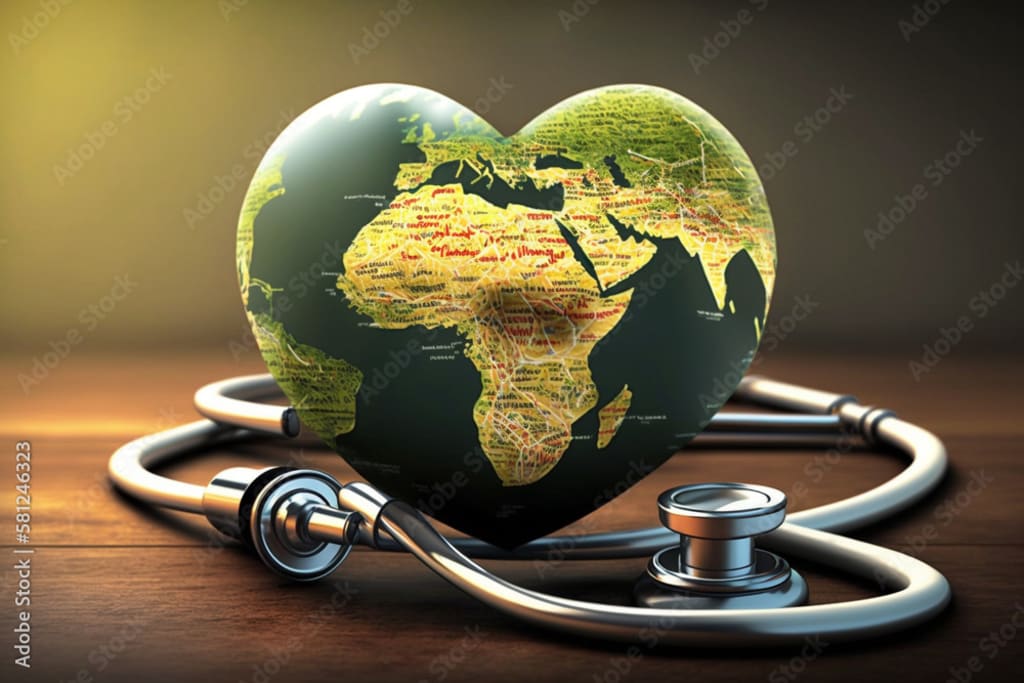
Each year, May 17 is observed as World Hypertension Day, a day designed to raise awareness about blood pressure, often referred to as the "silent killer." This year, in 2025, the day holds even more importance as blood pressure levels worldwide keep rising due to increasingly inactive lifestyles, poor dietary habits, ongoing stress, and the lack of widespread early detection methods.
In this comprehensive guide, we'll explore everything you should know about World Hypertension Day 2025. We'll cover the theme, its importance, the symptoms and risks of hypertension, and ways to prevent it. Additionally, we'll delve into natural remedies and lifestyle changes you can make to manage hypertension and reclaim control over your well-being.
What Is Hypertension?
High blood pressure, commonly referred to as hypertension, denotes the constant elevation of pressure exerted on your artery walls by the blood, mostly considered above 140/90 mm Hg. Such a condition puts extra strain on the cardiac organ, hence increasing the chances of developing grave problems such as cardiac arrest, cerebral embolism, kidney disorder, or even blindness. It is often called the "silent killer" because it does not give out any symptoms at its onset. Hence, it requires regular monitoring and stepping in at the earliest possible time to stop long-term damage and promote heart health.
Theme of World Hypertension Day 2025
The theme for World Hypertension Day in 2025 is "Measure Your Blood Pressure Accurately, Control It, Live Longer." This impactful slogan underscores how crucial it is to catch high blood pressure early on, keep a close eye on it, and manage it properly. It's a nudge to get your blood pressure checked regularly, which can help spot hypertension before it leads to serious issues like heart trouble or stroke. The message also pushes people to live healthier and take preventive steps, ultimately giving them the power to take charge of their well-being and enhance their quality of life.
Why Is World Hypertension Day Important?
World Hypertension Day attempts to raise awareness for the importance of correct blood pressure measurement, especially in underdeveloped countries. Untreated hypertension threatens to cause heart problems, stroke, kidney problems, headaches, and chest pains. In its attempt to stop these, World Hypertension Day carries out the following activities:
- Informing the general public of the fact that over 1.4 billion people have high blood pressure worldwide.
- Raising awareness that almost 50% of people suffering from high blood pressure are unaware of their condition.
- Explaining that untreated high blood pressure may contribute to heart disease, stroke, kidney failure, and more.
- The awareness of very high blood pressure symptoms: headache and chest pains in the case of readings above 180/120 mm Hg.
- Raising awareness on how serious being hypertensive is, even though you may feel alright.
- Informing about high blood pressure signs, risks, and the route to a healthier life.
- Demanding that prevention be addressed by increasing blood pressure screening and support for health reforms.
Causes of Hypertension
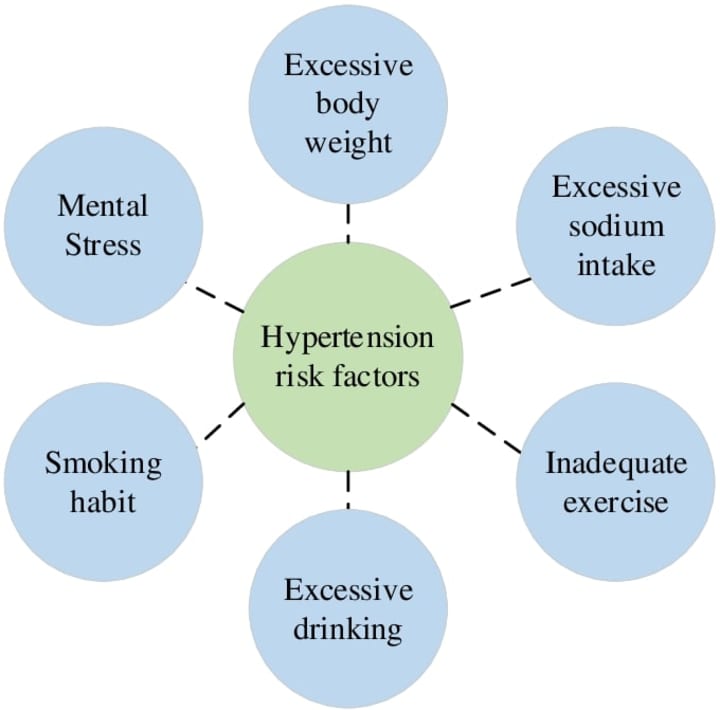
High blood pressure, also known as hypertension, can stem from various lifestyle factors and medical issues. It's categorized into two types: Primary (Essential) Hypertension and Secondary Hypertension.
1. Primary (Essential) Hypertension
Primary hypertension is the more prevalent form, gradually developing without a specific cause. Its emergence is linked to a mix of genetic, environmental, and lifestyle elements.
- Genetics
- Poor diet (high sodium, low potassium)
- Physical inactivity
- Obesity
- Smoking and alcohol use
- Stress
2. Secondary Hypertension
Unlike primary hypertension, secondary hypertension is a direct result of an existing medical condition or the use of certain medications. While it's less common, it tends to be more severe and can appear suddenly.
- Kidney disease
- Thyroid disorders
- Hormonal imbalances
- Sleep apnea
- Use of certain medications (e.g., NSAIDs, steroids, birth control pills)
Common Symptoms of Hypertension
Most people with hypertension are asymptomatic, which is why it’s dubbed the “silent killer.” However, in more severe cases, symptoms may include:
- Frequent headaches
- Shortness of breath
- Dizziness or blurred vision
- Chest pain
- Nosebleeds
- Fatigue or confusion
Important: These symptoms often appear only after damage has occurred. Regular monitoring is crucial.
Who Is Most at Risk?
- Folks over 40
- Those with family members who've had high blood pressure
- Anyone dealing with diabetes or kidney disease
- Individuals struggling with obesity or metabolic syndrome
- Smokers and those who drink heavily
- People experiencing a lot of stress or not getting enough sleep
- Pregnant individuals (especially those at risk for gestational hypertension)
Complications of Uncontrolled Hypertension
If left untreated, hypertension can lead to:
- Heart attack and heart failure
- Stroke
- Chronic kidney disease
- Retinopathy (eye damage)
- Dementia
- Aneurysm rupture
How to Prevent and Manage Hypertension
1. Monitor Your Blood Pressure Regularly
Use an automatic BP monitor at home.
Maintain a journal to track your readings.
Understand your target: <120/80 mmHg is optimal.
2. Adopt the DASH Diet
The Dietary Approaches to Stop Hypertension (DASH) is a proven eating plan that includes:
Whole grains, fruits, and vegetables
Low-fat dairy
Lean meats and legumes
Low sodium (less than 2,300 mg/day)
High potassium and magnesium intake
3. Exercise for 30 Minutes Daily
Regular aerobic activity lowers blood pressure. Choose:
Brisk walking
Swimming
Cycling
Dancing
Yoga (especially pranayama)
4. Lose Excess Weight
Even a 5–10% reduction in body weight can significantly lower your blood pressure.
5. Limit Salt and Processed Foods
High-sodium foods like instant noodles, chips, deli meats, and canned soups can raise blood pressure. Aim for low-sodium alternatives.
6. Quit Smoking and Limit Alcohol
Tobacco damages blood vessel walls.
Alcohol increases blood pressure and calories.
Men: Max 2 drinks/day
Women: Max 1 drink/day
7. Manage Stress Effectively
Practice:
Meditation
Deep breathing
Journaling
Mindful walking
Listening to calming music
8. Sleep Well
Poor sleep raises your stress hormones and blood pressure. Aim for 7–9 hours of sleep per night.
Natural Remedies and Herbs for Hypertension
Here are some evidence-backed natural aids:
Herb/Food Benefits
Garlic Contains allicin which relaxes blood vessels
Hibiscus Tea Natural ACE inhibitor, lowers BP
Beetroot Juice Rich in nitrates, boosts nitric oxide
Celery Seeds Diuretic effect, supports kidney function
Omega-3 (Fish Oil) Reduces inflammation and BP
Dark Chocolate Flavonoids improve artery function
Always consult your doctor before starting natural supplements, especially if on BP medications.
Role of Technology in Blood Pressure Control
With growing access to digital healthcare, individuals now have powerful tools for managing hypertension:
- Wearable blood pressure monitors
- Mobile apps to track diet, medication, and exercise
- Telemedicine platforms for virtual consultations
- Smart scales and fitness bands for real-time feedback
World Hypertension Day 2025 Events
On May 17, organizations globally are:
- Hosting free blood pressure screenings in clinics, malls, and schools.
- Running educational webinars and fitness challenges.
- Launching social media campaigns like #MeasureBP2025 and #HypertensionAwareness.
- Distributing infographics, quizzes, and videos to engage youth and adults alike.
What You Can Do This World Hypertension Day
Switch to the DASH diet by cutting back on salt and saturated fat, and loading up on fruits, veggies, whole grains, lean proteins, and low-fat dairy. Show your support for World Hypertension Day 2025 by spreading the word, offering free blood pressure checks, and educating people under the theme: "Measure up, manage it, live longer!"
- Check your BP at a local clinic or pharmacy.
- Encourage friends and family to get screened.
- Host a healthy potluck with DASH-friendly meals.
- Join a walking group or start a fitness challenge.
- Share this article to spread awareness.
Final Thoughts
World Hypertension Day in 2025 isn't just another calendar entry; it's a powerful reminder to people everywhere. By understanding what causes high blood pressure, its signs, and the risks it poses, we can make positive changes to safeguard our hearts, brains, and kidneys.
Whether you've recently been diagnosed, have a family history of hypertension, or simply want to embrace a healthier lifestyle, knowing the facts, getting regular check-ups, and making minor lifestyle tweaks can make a significant difference.
Let this World Hypertension Day mark the beginning of your path to a healthier, longer, and worry-free life when it comes to blood pressure.
FAQs About World Hypertension Day 2025
Q: What is the main goal of World Hypertension Day?
A: To promote awareness and encourage prevention, detection, and control of high blood pressure globally.
Q: Can young people get hypertension?
A: Yes. Due to stress, diet, and sedentary lifestyles, hypertension is increasingly seen in individuals under 40.
Q: Is high blood pressure curable?
A: It is manageable. With lifestyle changes and medication, many people control their BP effectively.
Q: How often should I check my BP?
A: At least once every 6–12 months if you're healthy; more frequently if you’re at risk.
About the Creator
UMME HANY
A professional writer is skilled in content creation, SEO writing, & translation. I craft engaging stories on lifestyle, wellness, love, culture & more—blending creativity, clarity, empathy & passion for truly impactful communication.



Comments
There are no comments for this story
Be the first to respond and start the conversation.