
“ World Health Day 2025: Empowering Mothers and Saving Newborn Lives for a Healthier Future ”
Championing Safe Births and Equal Care: A Global Movement to Safeguard Mothers and Newborns in 2025 and Beyond

Introduction: A Global Call to Action
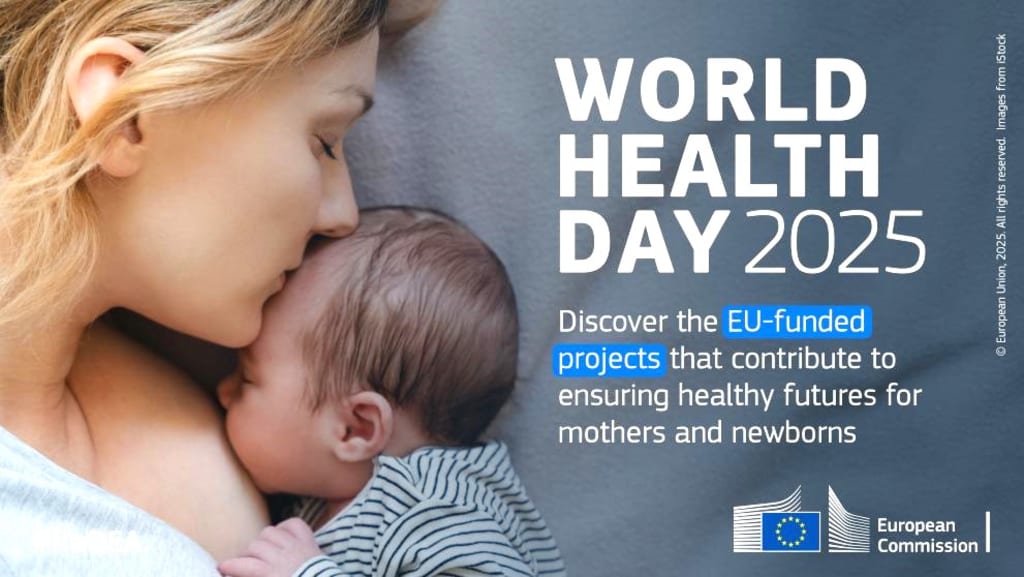
Each year on April 7, World Health Day marks the anniversary of the founding of the World Health Organization (WHO), and this year's focus is all about "Healthy Beginnings, Hopeful Futures," shining a spotlight on the well-being of moms and newborns. The folks at the World Health Organization (WHO) are sounding the alarm, urging us to take immediate steps to prevent unnecessary deaths of mothers and babies, boost long-term health prospects, and guarantee quality care, particularly when emergencies strike. Even with all our medical breakthroughs, far too many women and infants are still at risk during pregnancy, childbirth, and those crucial early months.
This campaign, running all year, is a call to action for governments, healthcare workers, and communities everywhere to put more resources into maternal and newborn health, lend a hand to caregivers, and tear down the obstacles that stand in the way. It's about spreading the word, speaking up, and reminding everyone that we all have a role in ensuring every mother and child gets a safe, healthy start in life. The WHO is highlighting disparities in healthcare to rally global support for a future where no woman or newborn loses their life to preventable conditions. World Health Day 2025 serves as a powerful call to action, aiming to spread hope, uphold dignity, and ensure healthier futures for everyone.
Why Maternal and Newborn Health Matters Now More Than Ever
Investing in the benefit of mothers and children is important for permanent progress, financial prosperity, gender balance, and achieving lively societies. A mother's health affects both her and her child, causing the baby's death and long-term health problems. Shockingly, each year, more than 280,000 women and over 2 million babies lose their lives to complications that could have been prevented. Most of these tragic losses could be averted with timely interventions like skilled birth attendants, emergency obstetric care, hygienic delivery settings, and postpartum support. Factors influencing maternal health encompass physical, mental, social, and economic aspects, reflecting a nation's genuine priorities. World Health Day 2025 envisions a world where no mother dies in childbirth and every child enjoys a healthy beginning right from their first breath.
The Goals of World Health Day 2025
This campaign will keep pushing for universal healthcare and addressing non-infectious diseases, just like the World Health Organization (WHO) has pointed out. World Health Day in 2025 will focus on:
- Reducing Deaths of Mothers and Newborns: We can save more lives by making healthcare more available, improving health systems, and tackling the social factors that affect health.
- Improving Chances of Survival: The campaign aims to help more mothers and babies survive by providing the necessary care during pregnancy, birth, and after delivery.
- Taking Care of Mothers and Newborns' Needs: Beyond just survival, the campaign also looks at the long-term health, well-being, and growth needs of both mothers and their newborns.
- Universal Health Coverage: World Health Day in 2025 will be all about pushing for universal health coverage. The goal is to make sure everyone, no matter their financial situation, has access to quality healthcare.
- Preventing Non-Communicable Diseases: The campaign will also shine a light on preventing non-communicable diseases. These illnesses have a huge impact on the health of mothers and newborns.
- Mobilizing Investments: We need to rally global investment for programs that boost the health of mothers and children. This will lead to better care and help bridge health gaps.
- Empowering Health Workers: It's vital to empower health workers, especially those in rural areas, to improve maternal and newborn health. This is a key focus of the campaign.
These goals are part of a broader WHO campaign calling for global solidarity and systemic change.

Global Health Disparities: A Stark Reality
Even though the health of mothers and newborns has seen significant improvements in rich countries, deep -sitting inequalities persist. Maternal mortality rates are still dangerously high in sub-Saharan Africa and South Asia. Women facing poverty belong to indigenous groups who are living in conflict areas, and women in rural areas are the brunt of this crisis.
For example, in Nigeria, the maternal mortality ratio is estimated at 512 deaths per 100,000 live births, unlike the 10 per 100,000 figures seen in the most prosperous countries.
Similarly, in Afghanistan, insufficient health infrastructure has been in serious threat to mothers and children in association with the tireless grip of conflict.
This inequality demands targeted, long-lasting, and culturally conscious solutions.

The Three Delays Model: Understanding Maternal Mortality
Electronics delay models measure signal transit time through model circuit elements, making it possible to improve design. Pregnancy complications or pre-existing conditions have led to death after pregnancy or soon, which has been extended.
Introduction to three delay models in maternal health
1. Delay in demand for care:
It occurs when women fail to detect complications or face cultural and educational obstacles to make effective decisions to seek help.
2. Delay in reaching the health facility:
Due to distance, poor roads, lack of transport, or finance, it is difficult to take care once after made up your mind to do so.
3. Delay in receiving proper care:
Even within the features, delays by employees, lack of equipment, or poor services can affect women.
All three delays should be dealt with to reduce maternal mortality.
Innovations and Interventions: What’s Making a Difference?
Advocacy and innovation have led to considerable advancements. The following interventions are revolutionizing maternal and newborn care:
1. Mobile Health Clinics
In countries like Kenya and India, mobile clinics have brought prenatal and postnatal care to rural areas, significantly improving outcomes.
2. Midwifery and Community Health Workers
Empowering local birth attendants and midwives to take the lead ensures culturally sensitive care, especially in regions where hospitals are inaccessible.
3. Digital Health Solutions
SMS and app-based platforms are helping mothers monitor pregnancy milestones, schedule appointments, and learn crucial newborn care practices.
4. Kangaroo Mother Care
Encouraging skin-to-skin contact between mothers and low-birth-weight infants has reduced neonatal deaths and promoted breastfeeding.
5. Global Vaccination Drives
Immunization campaigns against tetanus, hepatitis B, and rubella are protecting both infants and mothers before, during, and after childbirth.
Building Resilient Healthcare Systems
The COVID-19 pandemic exposed serious shortcomings in the global healthcare system, many of which continue to impact maternal care. The crisis resulted in:
- The disruption of routine prenatal check-ups.
- An increase in home births, often without skilled attendance.
- A decline in institutional delivery rates due to fear and misinformation.
World Health Day 2025 presents an opportunity to strengthen the resilience of health systems. This includes training frontline workers, ensuring adequate medical supplies, and establishing clear maternal care pathways during emergencies.
The Role of Nutrition in Maternal and Newborn Health
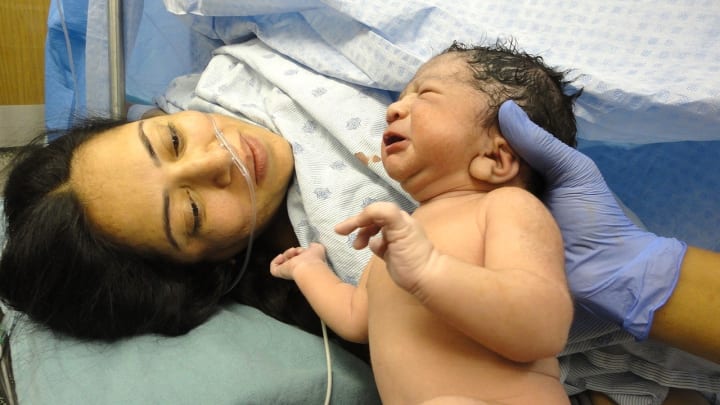
Good nutrition is vital for both pregnant women and their babies. It shapes how the baby grows in the womb, keeps the mother safe and healthy, and sets the stage for the child's well-being after birth. If a mom-to-be doesn't get enough of the right nutrients while pregnant, it can lead to some really serious problems for both her and the baby. Breast milk is especially important for a newborn's brain, providing all the building blocks and special hormones it needs to grow.
Eating well is super important even before a woman gets pregnant. It makes a big difference in how safe and healthy the pregnancy is, and how well the baby grows, right from the very beginning.
- Nutrition Before Getting Pregnant
Getting to a healthy weight and eating a diet full of good-for-you foods before getting pregnant can make it easier to conceive and help the baby develop well in those crucial early stages.
- Nutrition While Pregnant
When a woman is pregnant, she needs to eat a little more and ensure she's getting extra important nutrients like iron, folic acid, and calcium. This helps the baby grow properly and prevents any problems during the pregnancy.
- Risks of Poor Nutrition During Pregnancy
Suppose a pregnant woman is malnourished, either by not eating enough or by being very overweight. In that case, it can cause some dangerous health problems, like anemia, pre-eclampsia (which is dangerous Suppose a pregnant woman is malnourished, either by not eating enough or by being very overweight. In that case, eros high blood pressure), and birth defects like spina bifida, where the baby's backbone doesn't form correctly.
- Postnatal and Lactation Needs
After giving birth and while breastfeeding, mothers require foods rich in nutrients and additional supplements. These are crucial for their recovery and to fulfill the substantial nutritional requirements of nursing.
- Enhancing Programs Focused on Maternal Nutrition
Globally, local nutrition initiatives that offer supplements and guidance on healthy eating are essential. They play a key role in reducing risks for both mothers and their newborns.
Maternal nutrition programs focusing on balanced diets, supplementation, and community education are vital to improve pregnancy outcomes.
Social Determinants and Cultural Context
Health doesn't just exist on its own. Things like education, how equally men and women are treated, how much money people have, and social norms all significantly impact the health of mothers and their newborns. When girls get married young and have babies as teenagers, they're more likely to face problems and have bad outcomes. Women often can't make their own decisions about their health, which can make it harder for them to get the care they need when they need it. To make a difference, we need to do more than just treat people in hospitals and clinics. We need to challenge the way society thinks about gender, make sure girls get an education, and work to empower women.
What You Can Do: Global Health Begins at Home
Whether you are a policymaker, a healthcare worker, or just a person who wants to help, there are many ways you can join in World Health Day 2025:
- Advocate: Speak for policies that increase money and education for maternal care.
- Donate: Give to NGOs and programs that provide prenatal and newborn care in remote areas.
- Educated: Teach people about the importance of safe motherhood in your community.
- Empowerment: Encourage women to seek quick and regular delivery prior probe.
- Volunteer: Provide your time or resources for maternal health programs in either local or other countries either local or other countries.
Looking Ahead: Beyond 2025
The World Health Day is not a finish line in 2025; It is a milestone on the path of great ambition to achieve Sustainable Development Target 3 (SDG 3) of the World Health Organization. The purpose of this goal is to ensure a healthy life and welfare for all. Zooming in on SDG 3.1 and 3.2, the focus is on:
- Bringing global maternal mortality down to under 70 deaths per 100,000 live births.
- To prevent the death of children under 5 years of age and children below newborns.
Reaching these goals demands strong dedication, continuous innovation, and equitable policies.
Conclusion: Healthy Beginnings for Hopeful Futures
On World Health Day 2025, we're reminded that the well-being of mothers and newborns isn't solely a female concern—it's a vital requirement for society as a whole. When mothers thrive, communities bloom. When newborns survive, the world ensures its future.
We possess the knowledge, tools, and resources needed to eliminate preventable maternal and newborn mortality. What we need now is a collective determination.
Let's make today, and every day, a step towards creating a world where every birth is safe, every mother is valued, and every child starts life in good health.
About the Creator
UMME HANY
A professional writer is skilled in content creation, SEO writing, & translation. I craft engaging stories on lifestyle, wellness, love, culture & more—blending creativity, clarity, empathy & passion for truly impactful communication.
Restoring Balance in Medicine: Andrew Rudin MD on Why Prevention Must Come First
Modern healthcare has delivered extraordinary achievements. Medications control conditions that once shortened lives. Procedures restore heart rhythm, open blocked arteries, and prevent sudden cardiac events. Imaging technologies allow physicians to detect disease earlier and with greater precision than ever before. Yet despite these advances, many patients feel that care often begins too late. Treatment is efficient, but prevention is inconsistent. According to Andrew Rudin MD, this imbalance now represents one of the most significant challenges facing modern medicine.
By Dr. Andrew Rudin6 days ago in Humans


Comments
There are no comments for this story
Be the first to respond and start the conversation.