

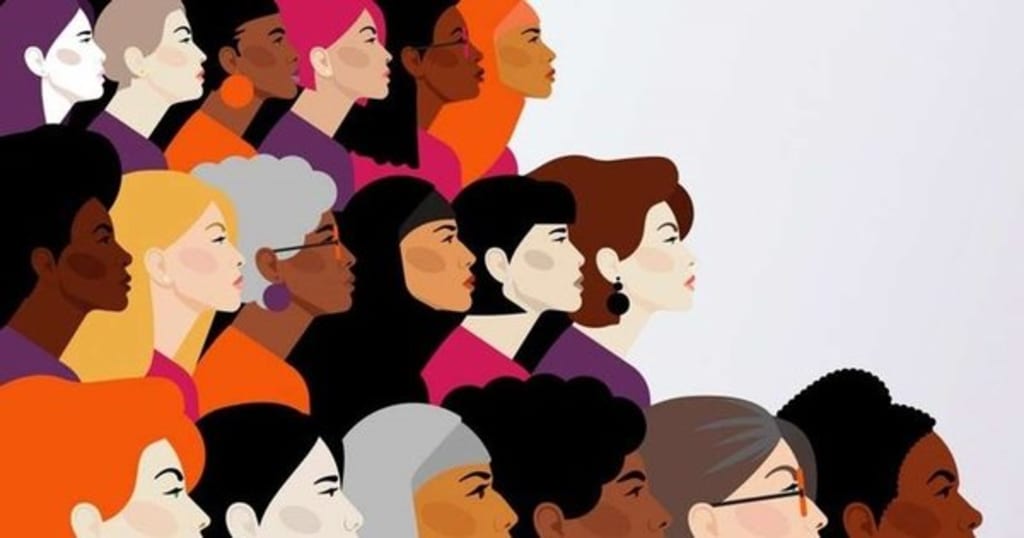
Women's rights refer to the social, political, and economic rights and freedoms that are granted to women and girls worldwide. Women's rights are based on the idea that women should have equal opportunities, treatment, and protection under the law. This includes the right to vote, own property, work, receive an education, and be free from discrimination and violence.
Throughout history, women have faced various forms of discrimination and oppression. Women's rights movements emerged in the 19th and 20th centuries, advocating for greater equality and empowerment for women. The first wave of feminism focused on securing women's right to vote and participate in politics, while the second wave emphasized gender equality in education and the workplace.
Today, women's rights remain a significant issue globally. Women continue to face discrimination, unequal pay, limited access to education and healthcare, and gender-based violence. Efforts to advance women's rights include policy and legal reforms, education and awareness campaigns, and initiatives to promote women's leadership and empowerment.
The status of women's rights varies widely by country and region. While some countries have made significant progress in promoting gender equality and women's rights, others still have a long way to go. Here are a few examples:
Sweden: Sweden is often cited as one of the most gender-equal countries in the world, with policies and programs aimed at promoting women's rights and gender equality in all areas of life. Women make up around 47% of the Swedish parliament, and the country has implemented policies such as paid parental leave, flexible work arrangements, and affordable child care to support women in the workforce.
Saudi Arabia: Women in Saudi Arabia have historically faced significant legal and cultural barriers to their rights and freedoms, including restrictions on driving, travel, and education. However, recent reforms have lifted some of these restrictions, such as allowing women to drive and travel without the permission of a male guardian.
India: India has made progress in recent years in promoting women's rights and addressing issues such as domestic violence, child marriage, and female infanticide. However, gender inequality remains pervasive in many areas, including education, employment, and political representation.
Afghanistan: Women in Afghanistan have long faced significant challenges, including limited access to education and employment opportunities, and widespread gender-based violence. While some progress has been made since the fall of the Taliban regime in 2001, women's rights are still a major concern in the country, particularly in areas controlled by the Taliban.
United States: While the United States has made significant progress in promoting women's rights over the past century, gender inequality and discrimination persist in many areas, including the gender pay gap, political representation, and access to healthcare. Women's reproductive rights have also been a contentious issue in recent years, with ongoing debates over access to abortion and contraception.
These examples demonstrate that the status of women's rights varies widely by country, and there is still much work to be done to achieve gender equality and promote women's empowerment globally.
The punishment for violence against women varies depending on the country and the specific offense committed. In many countries, violence against women is considered a criminal offense and is punishable by law. Punishments may include imprisonment, fines, or community service. In some cases, the severity of the punishment may be increased if the violence results in serious injury or death.
Here are some examples of punishment for violence against women in different countries:
United States: Domestic violence is a crime in all 50 states and can result in criminal charges, including assault and battery. The severity of the punishment depends on the severity of the offense and can include jail time, fines, and mandatory counseling or anger management classes.
India: The government has implemented various laws to protect women from violence, including the Protection of Women from Domestic Violence Act and the Sexual Harassment of Women at Workplace (Prevention, Prohibition and Redressal) Act. Offenders can be sentenced to imprisonment and fines.
Saudi Arabia: Violence against women is illegal, and punishments can include imprisonment, fines, and lashings. In some cases, the punishment may also include public shaming or execution.
Australia: Domestic violence is a criminal offense and can result in imprisonment and fines. The government has also implemented various programs and initiatives to support victims of domestic violence and prevent future incidents.
Mexico: Violence against women is a widespread problem in Mexico, and the government has implemented various measures to address the issue, including the General Law for Women's Access to a Life Free of Violence. The law provides for criminal penalties for various forms of violence against women, including physical and sexual violence.
These examples demonstrate that violence against women is taken seriously in many countries, and perpetrators can face significant consequences for their actions. However, there is still much work to be done to prevent violence against women and promote gender equality globally.
About the Creator
My First Time Skiing and I Got Lost, Alone, in the French Alps
Looking back, I can trace some of my life’s biggest adventures to a simple action from my sister. She’d introduced me to Tommy (a very long time ago), a colleague of hers, who had overshared his penchant for Italian-looking women, and I ticked that box.
By Chantal Christie Weiss3 days ago in Humans
Overcoming Fear Of Vulnerability While Building Meaningful Romantic Relationships Today
Vulnerability refers to readiness to share thoughts, feelings, and requirements and run the risk of rejection or criticism. It is a basis of intimacy, trust and emotional attachment in romantic relationships. Shunning vulnerability usually leads to quick and shallow relationships and the lack of a chance to get truly close to another person.
By Willian James4 days ago in Humans


Comments
There are no comments for this story
Be the first to respond and start the conversation.