
COMPUTER
what is a computer, what are its history and parts

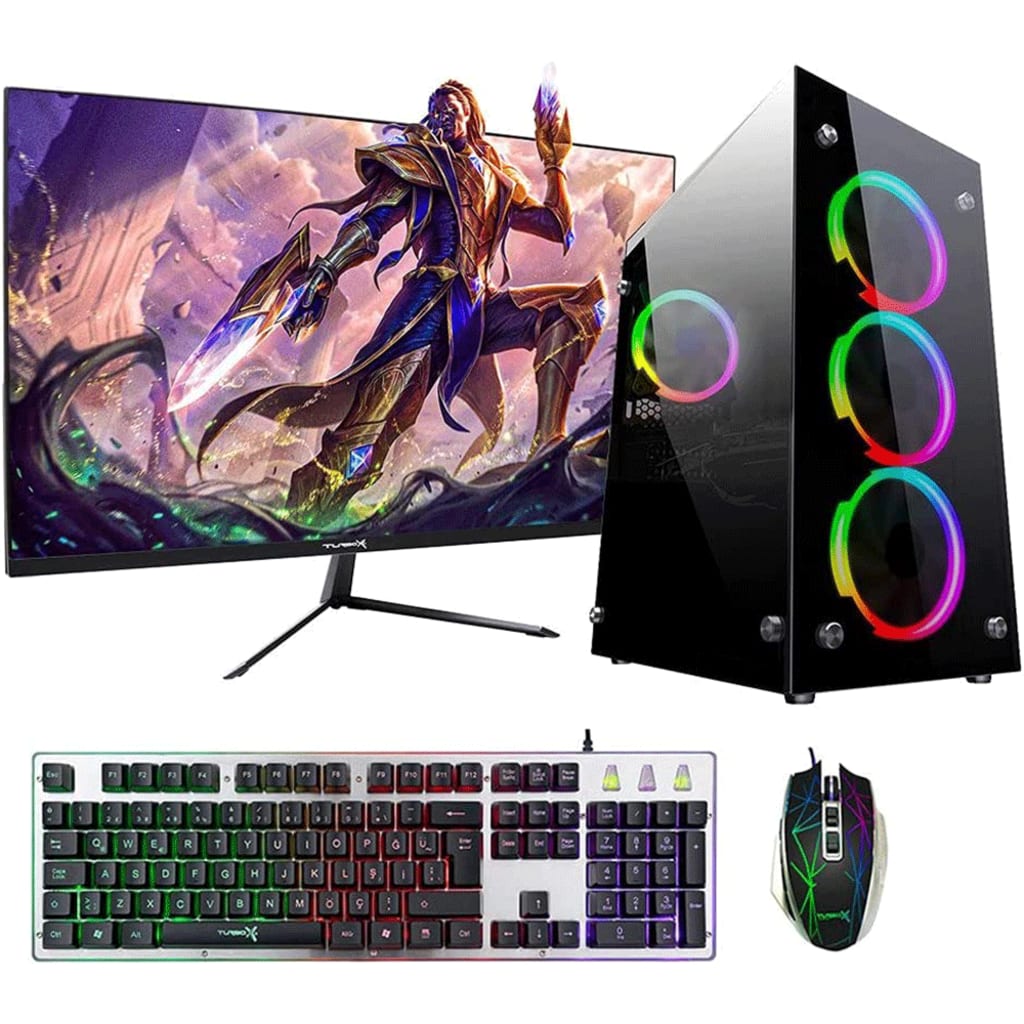
A computer is an electronic device that can perform a wide range of tasks, such as storing and processing data, performing calculations, and communicating with other devices. It consists of several key components, including:
CPU: The Central Processing Unit (CPU) is the "brain" of the computer. It performs calculations and instructions that are needed to run software and operate the computer.
Memory: Memory, also known as RAM (Random Access Memory), is a temporary storage space that stores data that the computer is currently using. This data is lost when the computer is turned off.
Storage: Storage devices, such as hard drives or solid-state drives (SSDs), are used to store data and files for long-term use. These devices retain data even when the computer is turned off.
Input and Output Devices: Input devices, such as keyboards and mice, are used to enter data and commands into the computer. Output devices, such as monitors and printers, display or print the results of the computer's operations.
Operating System: The operating system is the software that manages the computer's hardware and software. It provides a user interface for interacting with the computer and manages resources such as memory and storage.
Computers can be used for a wide range of tasks, including word processing, internet browsing, gaming, programming, and more. The power and capabilities of a computer depend on its specifications, such as the speed of the CPU, the amount of memory and storage, and the quality of the input and output devices.
The history of computers dates back to the early 1800s when Charles Babbage first proposed the concept of a "difference engine," a machine that could calculate complex mathematical equations. However, it wasn't until the mid-20th century that computers as we know them today began to emerge.
In the 1940s, the first electronic computers were developed, including the ENIAC (Electronic Numerical Integrator and Computer) and the UNIVAC (Universal Automatic Computer). These early computers were massive and expensive, and only a handful of universities, research labs, and government agencies could afford them.
In the 1960s and 1970s, the development of the microprocessor led to the creation of smaller and more affordable computers. Companies such as IBM and Apple began to produce personal computers that could be used in homes and businesses.
In the 1980s and 1990s, the rise of the internet and the World Wide Web further revolutionized computing, enabling people to connect and share information on a global scale. This led to the development of new software applications, such as web browsers, search engines, and social media platforms.
In the 21st century, computers continue to evolve and become more powerful and ubiquitous. The development of cloud computing and mobile devices has made computing even more accessible and convenient for people all over the world. Today, computers are used for a wide range of tasks, from entertainment and communication to scientific research and complex data analysis.
There are several key components that make up a computer:
Motherboard: This is the main circuit board that connects all the other components of the computer. It contains the CPU, memory, and other key components.
CPU: The Central Processing Unit is the "brain" of the computer that processes instructions and performs calculations.
Memory: RAM (Random Access Memory) is the temporary storage that holds the data and instructions that the CPU needs to access quickly.
Storage: This includes hard disk drives (HDDs) or solid-state drives (SSDs) which are used to store files and data for long-term use.
Power Supply: This component converts AC power from a wall outlet into DC power that the computer can use.
Graphics Card: A graphics card, also known as a video card or GPU, is responsible for rendering images and video on a computer's monitor.
Input Devices: These include the keyboard, mouse, and other devices used to enter data and commands into the computer.
Output Devices: These include the monitor, printer, and other devices that display or print the results of the computer's operations.
Cooling System: Computers generate a lot of heat, so a cooling system is needed to prevent overheating and damage to the components.
Optical Drives: Optical drives, such as CD or DVD drives, are used to read or write data from CDs, DVDs, or other optical discs.
These are the most common components of a computer, although there are many other parts that can be added or customized depending on the user's needs.
About the Creator
Managing Tariff Impacts on Imported Aerospace Components
The aerospace industry operates within a highly interconnected global supply chain where manufacturers, suppliers, and maintenance providers depend on specialized components sourced from multiple countries. Aircraft production and maintenance require thousands of parts, ranging from structural materials and avionics systems to electronic hardware and precision fasteners.
By Beckett Dowhan5 days ago in FYI
Why Didn't Anyone Tell Us
Men, move along. This is not for you. This is for the women. I was forty-five when I began menopause. It is pretty young for that to be going on in a woman’s life, but I had undiagnosed PCOS, my entire life. Thank you to all the gynecologists I had seen my entire life. That in itself should encourage women to keep seeking second opinions, especially when you are not getting correct answers or any at all.
By Alexandra Grant5 days ago in Humans


Comments
There are no comments for this story
Be the first to respond and start the conversation.