
With or Without Skin: The Best Way to Enjoy Cashew Nuts
Cashew Nuts
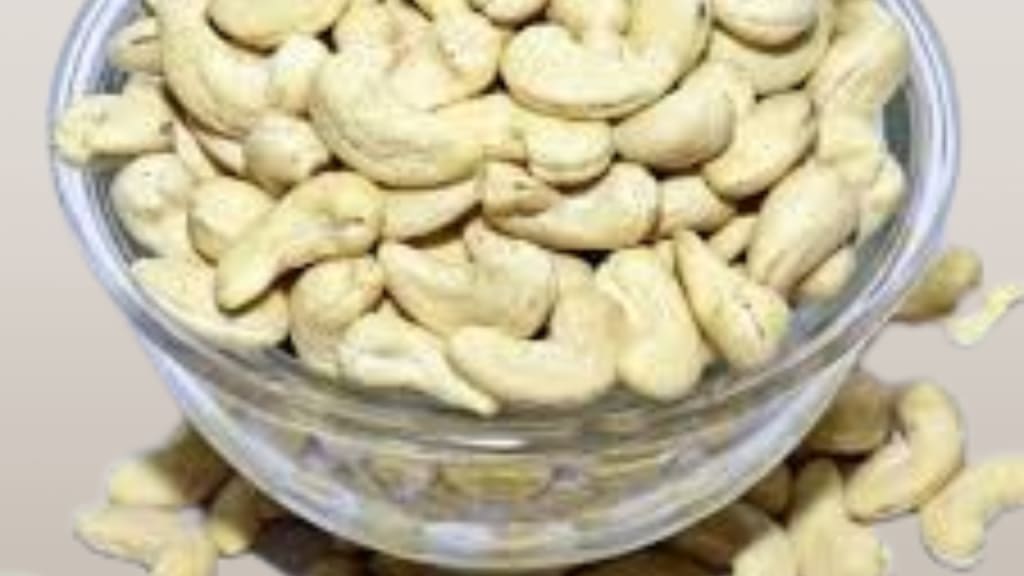
With or Without Skin: The Best Way to Enjoy Cashew Nuts
Cashew nuts are a beloved snack around the world—creamy, mildly sweet, and packed with nutrients. But when it comes to enjoying cashews at their best, a common question arises: should you eat them with or without the skin?
The Case for Cashews With Skin
Cashew skin contains antioxidants and dietary fiber. Like the skins of many nuts, it has health benefits, including:
Antioxidant boost: The skin has phenolic compounds that may help combat oxidative stress.
Natural flavor: Some enthusiasts enjoy the slightly bitter, earthy note it adds.
More whole food benefits: Retaining the skin means you're consuming the nut in a less processed form.
However, the skin can also taste a bit astringent, which might not appeal to everyone. It’s also tougher and slightly more difficult to chew.
The Case for Cashews Without Skin
Most commercially available cashews are sold without skin for good reason:
Smooth, creamy taste: Without the skin, cashews taste milder and creamier—ideal for snacking and cooking.
Versatile in recipes: Skinless cashews blend smoothly into sauces, dips, and desserts.
Digestibility: Some people find skinless nuts easier on the stomach.
Skinless cashews look better and last longer because they are less exposed to oils that can spoil.
So, What’s the Best Way?
It really comes down to preference and purpose:
For snacking: Go skinless if you want a smooth, buttery taste; go with skin if you prefer a more robust, natural crunch.
For health: Cashews with skin might offer a slight nutritional edge.
For cooking: Skinless cashews are more versatile and easier to blend.
Nutritional Comparison
With Skin:
Higher in antioxidants: The skin contains polyphenols and flavonoids, similar to those found in fruits and vegetables.
More fiber: That extra layer adds a bit more dietary fiber, aiding digestion and satiety.
Less processed: Some people prefer skin-on cashews for their whole-food appeal.
Without Skin:
Slightly lower in fiber and antioxidants, but still an excellent source of:
Healthy fats
Plant-based protein
Essential minerals like magnesium, zinc, and iron
Better for those with sensitive stomachs, as skinless nuts are easier to digest.
Taste and Texture
With Skin: Earthy flavor, a hint of bitterness, and a crunchier texture.Some people enjoy the contrast, while others find it a bit harsh.
Without Skin: Mild, buttery, and smooth—ideal for snacking, baking, or blending into creamy sauces.
Culinary Uses
With Skin: Best roasted and seasoned for savory snacks. Their bold flavor holds up well with spices like chili, paprika, or garlic.
Without Skin: More versatile. Perfect for:
Vegan cheese and cream recipes
Smoothies and nut butters
Desserts like cashew-based cheesecakes or energy balls
Allergy Considerations
Some people with tree nut sensitivities may find skinless cashews easier to tolerate. The skin could carry trace compounds that trigger mild reactions. Always consult a doctor if unsure.
Storage and Shelf Life
Skin-on Cashews: Slightly shorter shelf life due to natural oils in the skin, which can turn rancid over time if not stored properly.
Cultural Use Around the World
India: Cashews are often roasted with skin for snacks or used in rich curries (without skin for smoothness)
Brazil (cashew’s origin): Both the cashew nut and the fruit (cashew apple) are widely used; skin-on versions are common in local snacks
Middle East & Africa: Skin-on nuts are typically used for roasting and spiced blends
Processing Differences
Skinless cashews often undergo steam heating or mechanical abrasion to remove the thin layer
Skin-on varieties usually go through less processing, making them closer to their natural form
Some “raw” cashews labeled in stores are not truly raw—they’re steamed to neutralize the toxic shell oil
Skinless Cashews: Longer-lasting and less prone to developing a bitter taste.
Keep cashews in an airtight container and store them in a cool, dry location.For added freshness, you can also refrigerate them.
Environmental and Ethical Considerations
Did you know? Cashew processing requires a lot of manual work and is mainly done by hand in developing countries.. Supporting brands that prioritize ethical sourcing ensures workers are treated fairly and safely, especially given the caustic oils involved in shell removal.
So, Which One Wins?
There’s no universal “best” way to eat cashews—it depends on your needs:
Flavor-first? Go skinless.
Looking for extra nutrition? Try skin-on.
Cooking something smooth or creamy? Skinless is your best bet.
Spicy, crunchy snack lover? Roasted skin-on cashews are bold and satisfying.
Final Takeaway
Cashews, whether with or without their skin, are a nutritious and delicious addition to your diet. The best way to enjoy them is the way that fits your taste, lifestyle, and health goals. Don’t be afraid to experiment—you might just find a new favorite snack
About the Creator
The CEO of Everything
They say "jack of all trades, master of none," but they forgot to mention the part where the jack of all trades is also the camera woman, the makeup artist, and the person currently yelling at a tangled Wii microphone cable in a her own bathroom while recording herself singing and trying to make it look realistic and professional. (As professional as you can make it with nothing but a cell phone camera and a mic that doesn't work)
By Sara Wilson7 days ago in Humans
10 Routine Manners People Judge More Than Your Words.
People judge character through behavior more than speech. Psychology research shows moral evaluation starts with everyday manners. You reveal values through repetition, not explanation. These small actions shape trust, respect, and social standing fast.
By Wilson Igbasia day ago in Humans




Comments
There are no comments for this story
Be the first to respond and start the conversation.