
Will Technology Ever Replace Emotional Intelligence?
As technology grows more advanced, questions arise about empathy and understanding. This article explores whether emotional intelligence can ever be replaced by machines and what that means for human connection.

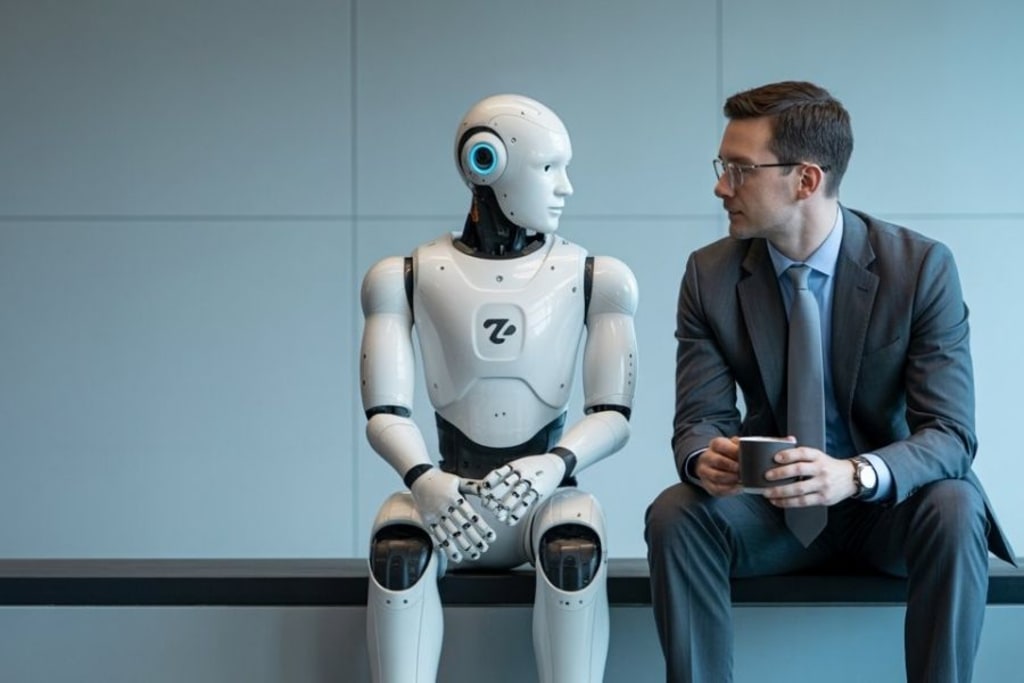
Technology has learned how to speak, write, predict, and respond. It can recognize faces, analyze emotions, and even simulate empathy through carefully designed language. As machines become more advanced, a quiet question begins to surface in many minds: Will technology ever replace emotional intelligence?
This question isn’t just about machines becoming smarter. It’s about what it means to be human in a world increasingly shaped by algorithms. Emotional intelligence has long been considered something deeply personal rooted in empathy, awareness, and lived experience. Yet technology now imitates many behaviors once thought to be uniquely human.
The concern is not only whether technology can replicate emotional intelligence, but whether humans will begin to rely on it in ways that change how we connect, understand, and care for one another.
Understanding Emotional Intelligence:
Emotional intelligence is the ability to recognize, understand, and manage emotions both our own and those of others. It involves empathy, self-awareness, emotional regulation, and social sensitivity.
Unlike logic or memory, emotional intelligence is shaped by experience. It grows through relationships, conflict, vulnerability, and reflection. It is not fixed or predictable. It evolves over time.
This complexity is what makes emotional intelligence feel irreplaceable. It is deeply tied to consciousness, context, and human connection.
What Technology Can Do Today?
Modern technology can analyze tone, facial expressions, and language patterns. It can detect emotional cues and respond in ways that appear thoughtful or supportive.
Customer service systems can identify frustration. Mental health tools can guide reflection. Digital assistants can offer comfort using empathetic language.
On the surface, this can feel like emotional intelligence. But beneath it lies pattern recognition, not understanding. Technology responds based on data, not feeling.
Simulation Versus Experience:
One of the key differences between human emotional intelligence and technological imitation is experience.
Humans feel emotions. They remember pain. They understand loss because they’ve lived it. These experiences shape how they respond to others.
Technology does not feel. It does not suffer. It does not carry emotional memory in the human sense. It simulates responses without personal consequence.
This distinction matters, especially in moments that require genuine understanding rather than correct phrasing.
Why Emotional Intelligence Is More Than Behavior?
Emotional intelligence isn’t just about saying the right thing. It’s about timing, presence, and emotional risk.
A human can sense hesitation in silence. They can adjust based on subtle shifts in energy. They can respond imperfectly but sincerely.
Technology operates within defined boundaries. Even when responses feel natural, they are limited by programming and data.
Emotional intelligence involves intuition, which does not follow fixed rules.
The Comfort of Artificial Empathy:
Despite its limitations, people increasingly turn to technology for emotional comfort. It offers consistency, availability, and non-judgmental responses.
For many, this feels safer than human interaction. There is no fear of rejection or misunderstanding. Technology listens without interrupting.
This raises an important question: if artificial empathy feels good enough, does the difference still matter?
What Happens When We Outsource Emotional Labor?
Relying on technology for emotional support can reduce the effort required in human relationships. Conversations become easier to avoid. Emotional discomfort becomes easier to bypass.
Over time, this may weaken emotional skills rather than strengthen them. Emotional intelligence develops through practice, not avoidance.
When humans stop engaging deeply with one another, emotional awareness can decline.
Emotional Intelligence Requires Accountability:
Human emotional intelligence involves responsibility. Words can hurt. Actions have consequences. Repair is required after harm.
Technology carries no emotional accountability. If it fails, it resets. It does not apologize because it feels remorse. It does so because it is instructed to.
This lack of accountability limits the depth of emotional trust that technology can truly offer.
Can Emotional Intelligence Be Measured?
Technology thrives on measurement. Emotional intelligence does not always fit into measurable categories.
People can act empathetic without understanding. They can understand without acting perfectly. Emotional intelligence includes contradiction and uncertainty.
Attempts to quantify it often miss its essence.
The Role of Context in Human Emotion:
Human emotions are shaped by context culture, history, relationships, and personal memory.
Technology relies on generalization. It uses patterns that apply broadly, not uniquely.
This creates a gap between recognition and understanding. Context is what allows humans to respond with depth rather than accuracy alone.
Why Humans Still Prefer Human Understanding
Even when technology provides support, people often seek human validation afterward. They want to be seen by someone who knows what it feels like.
Shared experience creates trust. Emotional intelligence thrives in that shared space.
Technology can assist, but it cannot replace shared humanity.
The Risk of Confusing Efficiency with Care:
Technology excels at efficiency. Emotional intelligence does not always benefit from speed.
Some moments require silence. Others require patience. Emotional understanding often unfolds slowly.
When emotional interaction becomes optimized, it risks losing sincerity.
Emotional Intelligence and Moral Judgment
Humans apply moral judgment when responding emotionally. They weigh intentions, consequences, and values.
Technology does not possess morality. It follows rules created by humans, but it does not interpret ethics independently.
This limits its role in complex emotional situations involving conflict, forgiveness, or moral choice.
Can Technology Support Emotional Intelligence?
While technology may not replace emotional intelligence, it can support it.
Tools can help people reflect, learn emotional awareness, and practice communication. Technology can create access where none existed before.
Used wisely, it can enhance emotional understanding rather than replace it.
The Importance of Human Presence:
Presence is a key part of emotional intelligence. Being physically or emotionally present changes how people feel understood.
Technology can simulate presence, but it cannot fully embody it.
Presence includes shared vulnerability, which cannot be programmed.
Emotional Intelligence as a Living Process:
Emotional intelligence is not static. It grows, regresses, and adapts throughout life.
Technology improves through updates. Emotional intelligence improves through lived experience.
These are fundamentally different processes.
Why the Question Itself Matters:
Asking whether technology can replace emotional intelligence reveals a deeper concern: fear of emotional disconnection.
People worry that efficiency will replace empathy, and convenience will replace care.
This fear reflects a desire to preserve what makes human connection meaningful.
Where Technology Should Stop and Humans Should Begin?
Technology can assist with information, structure, and reflection. Humans must handle compassion, accountability, and deep understanding.
The boundary matters.
Replacing emotional intelligence would require replacing human experience and that is not possible.
The Future of Emotional Intelligence in a Digital World:
The future will likely involve collaboration, not replacement. Technology will continue to simulate emotional responses, and humans will continue to seek real connection.
The challenge is maintaining emotional skills in a world that offers easier alternatives.
Balance will define whether emotional intelligence grows or weakens.
Final Thoughts:
Technology is becoming better at mimicking emotional behavior, but emotional intelligence is more than behavior. It is awareness, experience, responsibility, and presence.
Machines can recognize emotion. Humans live it.
Emotional intelligence cannot be downloaded, automated, or outsourced without loss. It is shaped by struggle, empathy, and shared reality.
Technology may support emotional understanding, but it cannot replace the depth that comes from being human.
As the world becomes more digital, emotional intelligence becomes not less important—but more essential.
About the Creator
Zeenat Chauhan
I’m Zeenat Chauhan, a passionate writer who believes in the power of words to inform, inspire, and connect. I love sharing daily informational stories that open doors to new ideas, perspectives, and knowledge.
Keep reading
More stories from Zeenat Chauhan and writers in Humans and other communities.
The Fear of Becoming Irrelevant in a Rapidly Changing World
There is a quiet anxiety many people carry today, even if they rarely talk about it out loud. It shows up in small moments of doubt, in passing thoughts late at night, and in sudden comparisons we didn’t intend to make. It’s the fear that the world is moving forward too fast and that somehow, we are being left behind.
By Zeenat Chauhan2 months ago in Humans
Top 10 Findom Websites and Apps That Actually Work in 2026
Navigating the world of financial domination requires knowing the best Findom Websites and Apps to Meet Findom securely and confidently in the modern era. As the digital landscape continues to evolve rapidly, financial submissives and dominants alike are search for reliable platforms that prioritize user safety, genuine connections, and clear communication. The dynamic of financial domination is unique, requiring spaces where consent and financial boundaries are respected implicitly by all active members. Finding the right community can significantly enhance your experience, ensuring that every interaction is fulfilling, transparent, and aligned with your personal desires and financial capabilities.
By Mark Hipster5 days ago in Humans




Comments
There are no comments for this story
Be the first to respond and start the conversation.