
Why Time Feels Faster as We Get Older; And What Science Says
Why does time feel like it moves faster as we age? Science explains how memory, routine, and the brain change our perception of time and how to slow it down.

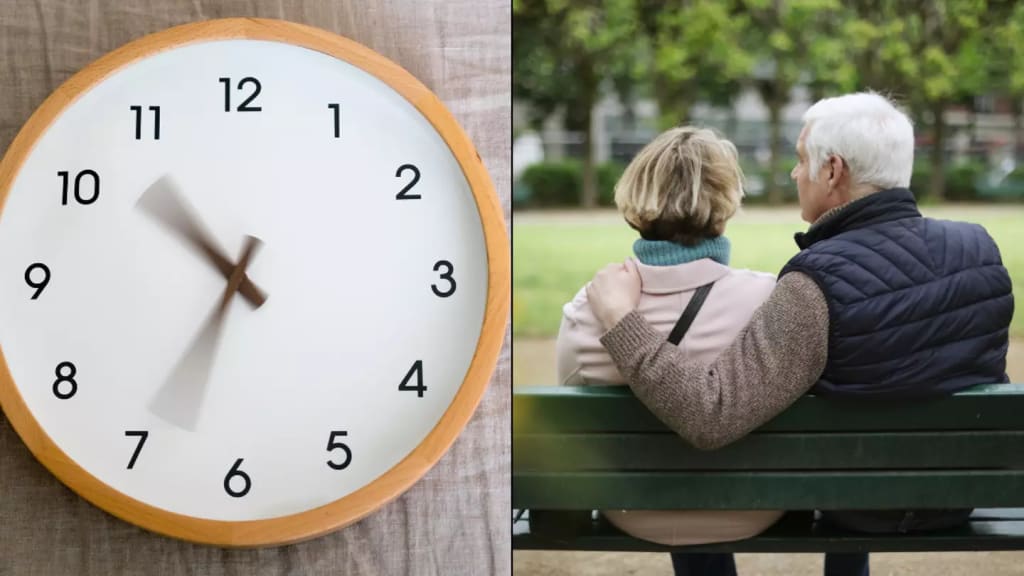
When we are children, time feels endless.
Summer vacations seem to last forever.
A single year feels like a lifetime.
Waiting for a birthday feels unbearable.
But somewhere along the way, something changes.
Years begin to blur together.
Months disappear.
Suddenly, it feels like life is moving on fast-forward.
This isn’t just nostalgia.
Science says it’s real.
The Strange Feeling Almost Everyone Shares:
Ask almost any adult the same question:
“Does time feel like it’s moving faster now?”
Most people answer immediately.
“Yes.”
This shared experience isn’t imagination or exaggeration.
It’s a psychological and neurological phenomenon and it starts earlier than most people realize.
The Childhood Time Illusion:
When you’re young, everything is new.
- New places.
- New emotions.
- New experiences.
The brain pays close attention to novelty.
And attention stretches time.
A school year feels long because your brain is recording thousands of firsts.
Each moment feels separate and distinct.
As we age, novelty decreases.
Routine takes over.
And time begins to compress.
How the Brain Measures Time?
The human brain doesn’t measure time like a clock.
It measures time through memory density.
The more memories created, the longer a period feels in hindsight.
When life becomes repetitive, fewer memories are formed.
Looking back, those periods seem short even if they weren’t.
That’s why entire years can feel like they disappeared.
Why Routine Speeds Everything Up?
Adult life is built on routine.
- Wake up.
- Work.
- Eat.
- Sleep.
- Repeat.
Routine is efficient, but it’s terrible for time perception.
When days look the same, the brain stops paying attention.
And what we don’t notice, we don’t remember.
Unremembered time feels lost.
The Mathematics of Aging:
There’s also a mathematical explanation.
When you’re five years old, one year is 20% of your life.
When you’re fifty, one year is only 2%.
Each year becomes a smaller fraction of your lived experience.
So subjectively, it feels shorter.
Time hasn’t changed.
Your reference point has.
The Role of Dopamine and Novelty:
Dopamine isn’t just about pleasure.
It’s about learning and attention.
New experiences release dopamine.
Familiar experiences don’t.
As novelty decreases, dopamine activity related to memory formation drops.
Less dopamine means weaker memory encoding.
And weaker memories make time feel faster.
Why Busy Lives Feel Faster, Not Fuller?
Many people assume being busy slows time.
It doesn’t.
Busyness often removes presence.
Multitasking fragments attention.
Constant stimulation overloads the brain.
Instead of creating meaningful memories, moments blur together.
Busy time feels fast time.
The “Looking Back” Effect:
Here’s something strange:
Time feels slow while living it but fast when remembering it.
Stressful days feel long in the moment.
But short in memory.
That’s because stress narrows focus.
The brain is surviving, not reflecting.
Later, those days’ collapse into a blur.
Why Technology Makes It Worse?
Modern life accelerates time perception.
- Scrolling removes boredom
- Algorithms remove pauses
- Notifications remove stillness
Without mental gaps, the brain has no space to process experience.
Days feel full but empty in memory.
And empty memories shrink time.
The Loss of Seasonal Awareness:
Children feel seasons deeply.
Summer feels different from winter.
School creates natural milestones.
Adults blur seasons together.
Air conditioning.
Remote work.
Digital routines.
Without environmental markers, time loses structure.
And unstructured time disappears faster.
Why Emotional Moments Slow Time?
Strong emotions stretch time.
- Fear
- Love
- Wonder
- Grief
These moments create dense memories.
That’s why certain days stay vivid forever.
Emotion anchors time.
A life without emotional contrast feels fast and forgettable.
Why “The Good Old Days” Feel Longer?
The past feels slower because it was richer in novelty.
Not necessarily better just more memorable.
We confuse memory density with happiness.
What we’re really missing is presence, not time.
Can We Slow Time Down Again?
Not physically.
But psychologically yes.
Time slows when we:
• break routines
• seek novelty
• stay present
• engage deeply
• create meaning
The brain notices what matters.
And noticed moments expand.
The Power of Small Changes:
You don’t need drastic life changes.
Small shifts help:
• take different routes
• learn something new
• change daily patterns
• limit autopilot behavior
Novelty doesn’t require chaos.
Just intention.
Why Presence Is the Real Solution?
Time doesn’t slow when life becomes easier.
It slows when attention deepens.
Presence stretches moments.
Distraction compresses them.
The difference isn’t external.
It’s internal.
Aging Isn’t the Enemy:
Time feeling faster isn’t a failure.
It’s a signal.
A reminder to live deliberately.
To notice more.
To experience deeply.
To break the spell of autopilot.
Time doesn’t disappear.
We stop seeing it.
Final Thoughts:
Time feels faster as we age not because life is shorter but because we stop paying attention.
Science explains the mechanism.
But awareness offers the remedy.
You can’t slow the clock.
But you can slow the experience.
And that may be the most meaningful control we have.
About the Creator
Zeenat Chauhan
I’m Zeenat Chauhan, a passionate writer who believes in the power of words to inform, inspire, and connect. I love sharing daily informational stories that open doors to new ideas, perspectives, and knowledge.
Keep reading
More stories from Zeenat Chauhan and writers in Humans and other communities.


Comments
There are no comments for this story
Be the first to respond and start the conversation.