
Why Storytelling Still Matters in a World Full of Content
How real stories cut through noise, trends, and endless scrolling

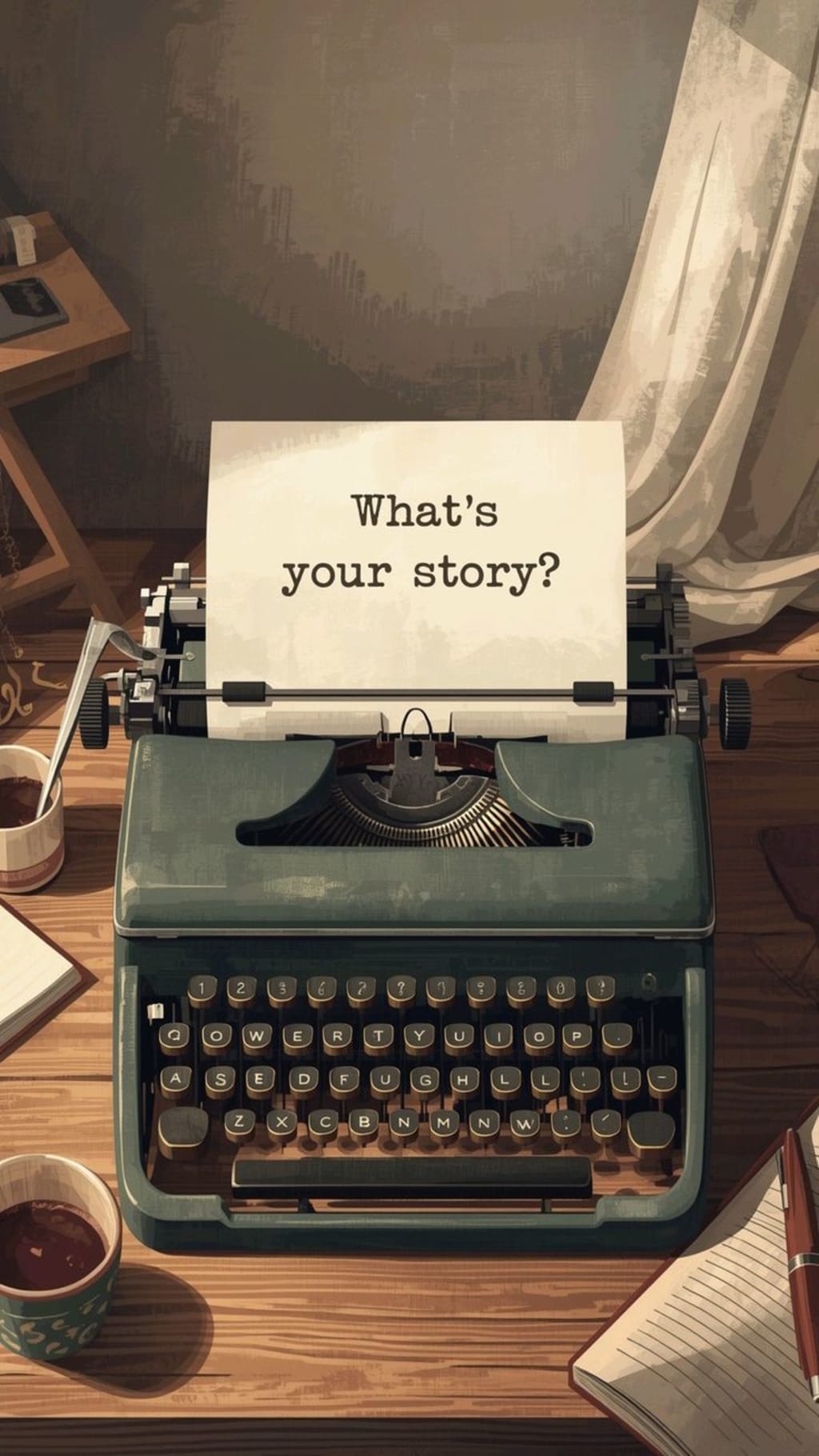
Every day, millions of posts are uploaded online. Videos, articles, photos, opinions, and trends compete for attention. With so much content everywhere, it’s easy to think that nothing truly stands out anymore. Yet some stories still stop people mid-scroll. Some words still linger. That’s because storytelling hasn’t lost its power—it’s become more important than ever.
Storytelling is not about being dramatic or poetic. It’s about connection. Humans are wired to understand the world through stories. Long before algorithms and screens, stories were how people shared meaning, lessons, and identity. That hasn’t changed—only the platform has.
What separates forgettable content from meaningful content is emotion. Facts inform, but stories make people feel. When someone recognizes themselves in a story, they pay attention. They remember it. They care.
Good storytelling doesn’t require a big audience or an extraordinary life. Ordinary experiences can be powerful when told honestly. Struggles, growth, curiosity, confusion, and small realizations are often more relatable than perfection.
In a digital world focused on speed, storytelling invites people to slow down. It gives context instead of fragments. While trends fade quickly, stories age better because they speak to human experience rather than momentary attention.
Authenticity is the foundation of strong storytelling. People can sense when something is forced or copied. You don’t need to sound like everyone else. Your natural voice is your advantage. When you write from a real place—your thoughts, your questions, your reflections—it creates trust.
Storytelling also builds memory. People forget headlines, but they remember narratives. A lesson wrapped in a story sticks longer than advice alone. That’s why storytelling is used everywhere—from education to marketing to personal writing.
Another reason storytelling matters is meaning. Content answers what. Stories explore why. They give depth to information and help people understand not just events, but motivations and emotions behind them.
In a noisy environment, storytelling doesn’t shout—it resonates. It doesn’t chase attention; it earns it. While algorithms may change, the human desire for connection stays the same.
To tell better stories, you don’t need fancy words. Clarity matters more than complexity. Focus on moments. Describe thoughts, not just actions. Let readers see the process, not just the result.
Storytelling is also an act of courage. It requires honesty and vulnerability, even in small ways. That honesty is what makes stories feel alive instead of manufactured.
In a world full of content, storytelling is what turns writing into something meaningful. It reminds people that behind every screen is a human being trying to understand, share, and connect.
No matter how fast technology moves, stories remain. And those who learn to tell them well will always have something valuable to share.
In the end, storytelling is less about standing out and more about showing up honestly. You don’t need to chase trends, copy popular voices, or force yourself into a mold that doesn’t fit. The stories that matter most are the ones rooted in real thought, real feeling, and real experience. When you choose to tell stories that come from a genuine place, you create something that algorithms can’t manufacture and trends can’t replace. In a world that moves fast and forgets quickly, honest storytelling becomes a way of slowing down, connecting deeply, and leaving behind something that lasts longer than a moment of attention.
About the Creator
The Angry Man in Your House
"If you grow up with an angry man in your house, there will always be an angry man in your house" This statement has caused plenty of controversy online, people say its a statement that blames victims while also undermining those who break traumatic cycles to form health relationships... but if I'm honest now that I'm in my 30s it makes more sense to me than ever, and I'd argue that its not just about fathers and uncles.
By S. A. Crawford4 days ago in Humans




Comments
There are no comments for this story
Be the first to respond and start the conversation.