
Why People Return to Toxic Relationships
Understanding the Trap of Familiarity, Hope, and Emotional Dependency

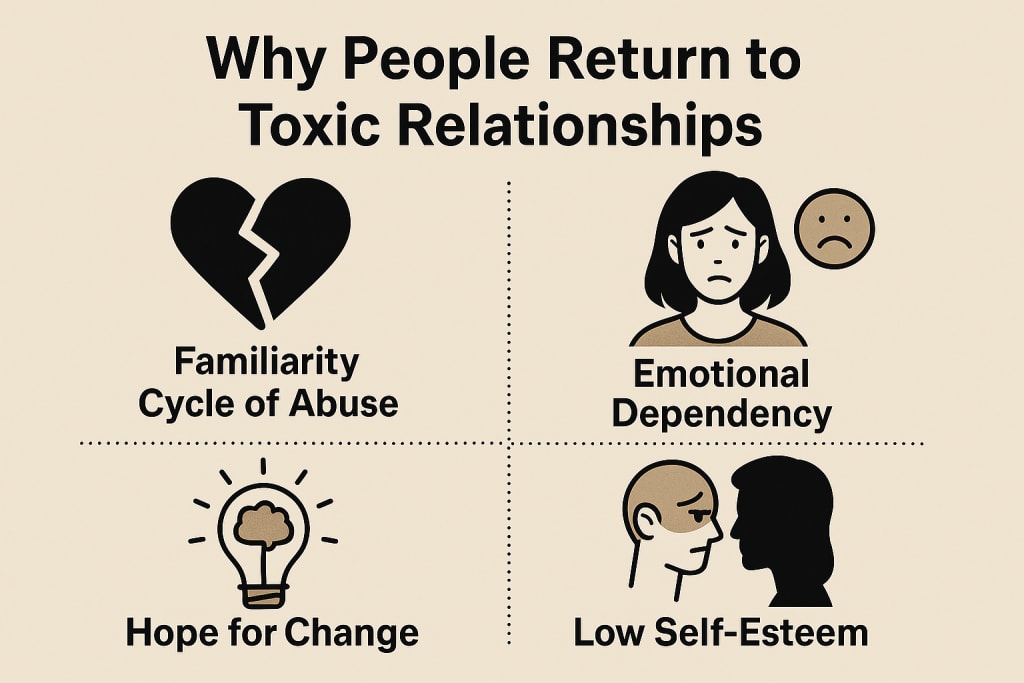
Toxic relationships are complex and heart-wrenching. Despite the undeniable pain, many individuals find themselves repeatedly drawn back into these harmful dynamics. Rather than a simple matter of weak will or poor decision-making, returning to a toxic partner is often a manifestation of deep-rooted psychological patterns, emotional dependencies, and a yearning for familiarity—even when familiar means suffering.

Familiarity as a Double-Edged Sword
One of the most significant reasons people return to toxic relationships is the comfort of familiarity. Over time, couples develop routines, shared habits, and an interwoven sense of identity that, even if dysfunctional, become tightly embedded in one's personal narrative. The predictability of a relationship, no matter how damaging, can seem less daunting than the uncertainty of change. When a toxic relationship dissolves, the loss of routine and stability can create a void that is difficult to fill. Many find themselves tempted by the prospect of reliving those moments—hoping for a return to the "good times" that, for a fleeting moment, managed to shine through the cracks of the abuse.
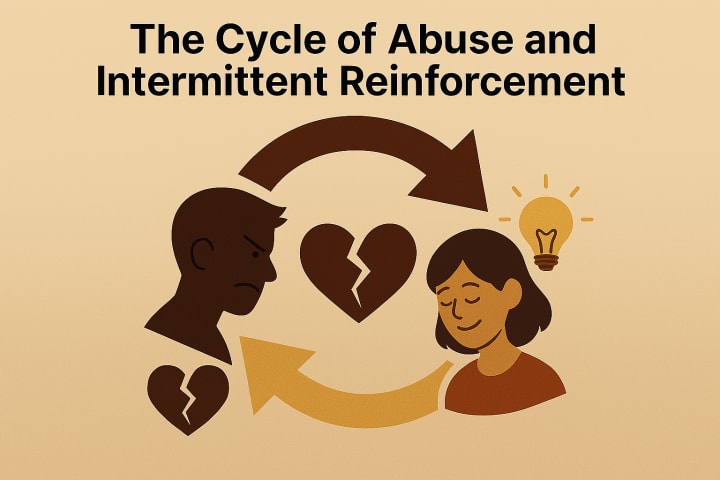
The Cycle of Abuse and Intermittent Reinforcement
Toxic relationships are often characterized by a relentless cycle of abuse punctuated by periods of affection and reconciliation. This cycle, known as intermittent reinforcement, tricks the human brain into associating the relationship with moments of reward. During the so-called "honeymoon phase," a partner may provide loving gestures, heartfelt apologies, and temporary improvements in behavior, which create powerful peaks of emotional relief. These moments, however short-lived, become reinforced memories. The brain, wired to seek rewards, clings to these rare periods of positivity while discounting the longer stretches of pain and suffering, making it extremely challenging for the individual to leave for good.
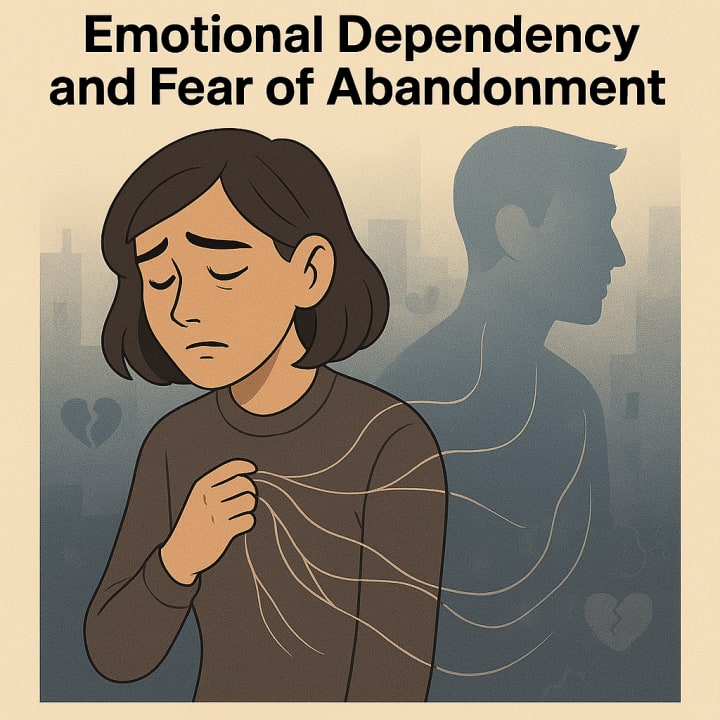
Emotional Dependency and Fear of Abandonment
Emotional dependency is another crucial factor. Over time, individuals may begin to measure their self-worth based on their ability—or inability—to maintain the relationship. This dependency is often amplified by a profound fear of abandonment. Leaving a toxic relationship might mean confronting an overwhelming sense of loneliness or the painful belief that one is unworthy of love. The thought of standing alone, without the familiar yet damaging dynamic, becomes unbearable. The toxic partner, despite their harmful behavior, becomes a substitute for a sense of identity and purpose. The idea of returning to them offers a perverse comfort—a temporary reprieve from the terror of facing life without that person.

Hope for Change and the Illusion of Transformation
Hope is a powerful and often paradoxical force in toxic relationships. Many hold on to the belief that their partner can change, that the love they once shared might be resurrected if given another chance. This hope is bolstered by societal narratives and personal anecdotes that suggest people can overcome their flaws and transform. However, this hopeful outlook is usually an illusion. The inherent patterns of abuse and manipulation tend to resurface, despite earnest promises during brief reconciliatory phases. The desire to "fix" the relationship and rescue the good partner buried underneath layers of toxicity often becomes a self-fulfilling prophecy that justifies returning to a harmful situation.

Low Self-Esteem and the Internalization of Neglect
Low self-esteem and a pervasive sense of unworthiness further explain why people cling to toxic relationships. Continuous exposure to criticism and devaluation can erode an individual’s self-confidence, making them believe they deserve mistreatment. The negative internal dialogue, reinforced by years of emotional abuse, convinces them that life without their toxic partner would be even worse. In this state of internalized neglect, the toxic relationship becomes a distorted mirror reflecting a diminished sense of self. The prospect of abandoning something—even if it is damaging—feels like a rejection not only of the partner but of oneself.

The Role of Social and Cultural Conditioning
Beyond personal psychology, societal expectations and cultural conditioning play a role in why individuals return to toxic relationships. Many cultures idolize the notion of enduring love—that true love can conquer all challenges, no matter how insurmountable they appear. This idealized view, perpetuated by romantic movies, literature, and even social media, can pressure individuals into believing that sacrifice and suffering are essential components of deep, committed relationships. Consequently, the struggle to leave a toxic relationship is not seen as a personal failure, but as a testament to one’s commitment to love.

Breaking the Cycle: The Road to Recovery
Understanding these multifaceted factors is the first step toward breaking free from toxic relationships. Healing requires a compassionate reassessment of self-worth, often supported by professional counseling and a strong network of friends and family. Recovery involves recognizing that familiarity, despite its deceptive comfort, is not synonymous with love. Empowerment comes from learning to value oneself beyond the confines of a destructive relationship and embracing the possibility that true love is nurturing rather than depleting.

Final Reflections
Returning to a toxic relationship is rarely a choice made in full consciousness. It is the result of deep-seated emotional patterns, the lure of familiarity, the intermittent reinforcement of occasional kindness, and the inherent human fear of the unknown. By understanding these complex dynamics, we can approach such situations with empathy—recognizing that anyone caught in this cycle is not a weak individual, but rather someone deeply affected by the very human need for connection, validation, and the hope for something better. Through awareness and support, the path toward true healing and healthier relationships can begin.
About the Creator
Edge Alexander
Captivating wordsmith, crafting transformative narratives that spark curiosity, ignite conversation, and leave an indelible mark.
https://gogetfunding.com/to-make-a-difference/
Keep reading
More stories from Edge Alexander and writers in Humans and other communities.
Trickle Them Down, But Not Out
The thing about smart people is that they should know better, but alas, intelligence is not the same as wisdom. Not only do the mistakes of experts too short on vision—when they are not corrected—have the potential to do great and far-reaching damage, but they also undermine public confidence in the very notion of expertise. This is particularly so when expertise is wielded in defence of the rich and powerful as a cudgel against those laid low. As an academic, this lack of faith in “so-called experts” is painful to see as it plays out in the spread of dis-/misinformation, conspiracy theories, and anti-intellectualism writ large. But it is also an understandable impulse given the catastrophic failure of an economic ideology pushed by certain economic experts. Supply-side economics has shaped a broken system for the last half-century and has arguably done more to undermine the fabric of the American Dream than any policy framework of the past century.
By Cory Wright-Maley5 days ago in Humans
Darkness Descends
Flying over the rift valley formed between the left and right, a kettle of rapacious vultures are patiently circling. Although the scent of death has only just begun to seep through the air, these necrophages salaciously wait in anticipation. Ogling a well intentioned yet largely uniformed society tear itself apart, they covetously await the feast with complete disregard for the collective.
By S. J. Leahy5 days ago in Humans



Comments
There are no comments for this story
Be the first to respond and start the conversation.