
Why is it so Hard to Forgive Ourselves?
The Weight of Guilt, the Power of Self-Acceptance

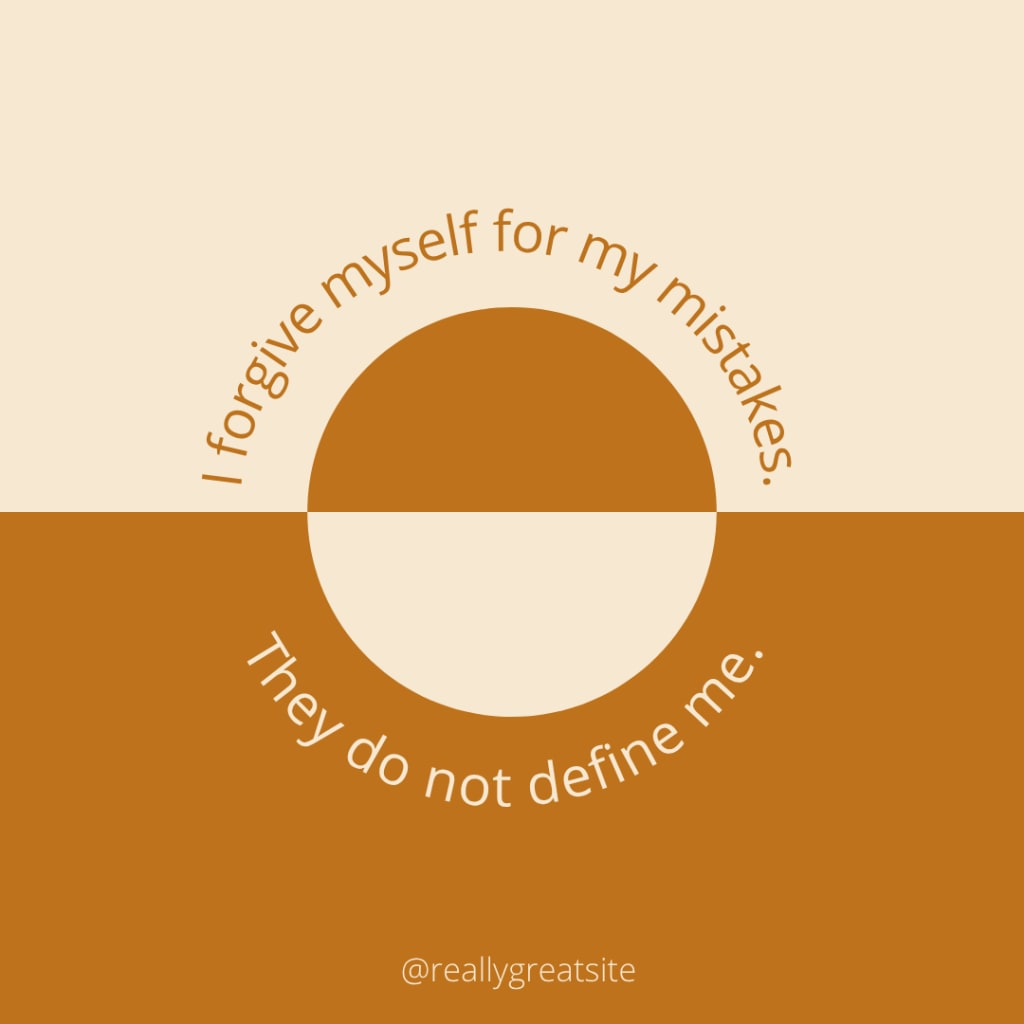
Sometimes, forgiveness is something we recognize in others but struggle to extend to ourselves. We are taught that forgiveness is a gesture of kindness, of selflessness. But what happens when that “forgiveness” doesn’t quite reach us? What happens when we release others from their mistakes, but remain chained to our own imperfections?
We carry ourselves like the heaviest luggage, filled with shame, guilt, and unmet expectations. It's a load we don't often realize we’re dragging behind us.
Forgiveness toward others seems simple enough. But forgiveness toward oneself? That’s a different story. When you make a mistake, it feels like your soul divides into two parts—the one who made the mistake and the one who relentlessly criticizes it, like an unforgiving judge. The latter pushes you further into pain, into suffering, into a never-ending cycle of self-criticism.
It’s as though guilt becomes an invisible weight, one that you can’t seem to shake off. You try to ignore it, but it’s always there, lurking, haunting you. You look in the mirror, and the reflection doesn’t smile back. It’s a face staring at you, filled with regret for what you didn’t achieve, for the paths you didn’t take. That reflection asks: “Is this all you are?”
It’s in the small moments of vulnerability that the question resurfaces—am I enough? Am I worthy? And in those moments, forgiveness feels so distant. It seems like a word we use in the past tense, a sound that fades into the background of our minds.
But here’s the truth: forgiveness isn’t something that can be swept away with a simple gesture or word. It’s a connection between two parallel dimensions of ourselves. One part wants to keep dragging the past with us, holding onto the things we didn’t do right. The other part whispers, urging us to accept the imperfection within, and realize that our mistakes don’t define us—they refine us.
Forgiving yourself isn’t about erasing your past. It’s about recognizing that your mistakes are pieces of the puzzle that make you who you are. It’s about seeing that the cracks in our souls are what let the light through.
Self-forgiveness is the opposite of anger. Anger toward oneself is like poison—tiny doses that you ingest with every regret. But forgiveness is an act of self-acceptance, a realization that mistakes don’t mark the end of the road. They are simply lessons guiding us toward wisdom.
Maybe it’s time we start recognizing that we, too, need to heal. To see ourselves through the lens of compassion, not judgment. That self-forgiveness is not a perfect cure, but it’s the first step toward inner peace. We may not always get it right, we may always carry some part of the weight, but true strength lies in our ability to be kind to ourselves.
And that’s why it’s important to pause. To take a deep breath. And to admit: “Yes, I’ve made mistakes. Yes, I’ve fallen. But I’m still here.”
One of the hardest steps in healing is acknowledging that we deserve love even when we’re not perfect. That we deserve peace, even if we’ve made poor choices. That our mistakes don’t make us bad people—they make us human. People who are trying, learning, and growing.
We often think we’ll finally be able to love ourselves once we “fix” everything—when we lose weight, finish school, get a better job, become a better partner. But the truth is, self-love doesn’t come after. It must begin now, in this messy, imperfect moment.
Because if we wait to feel “good enough,” we might wait forever.
So forgive yourself. Not because you did everything right. But because your life is still worthy of gentleness—despite everything.
About the Creator
Elena Radić
I write about mental health, the emotions that shape us, and the relationships that teach us. If you're also trying to find yourself in this chaotic world – you're welcome in my words.
Keep reading
More stories from Elena Radić and writers in Humans and other communities.
The CEO of Everything
They say "jack of all trades, master of none," but they forgot to mention the part where the jack of all trades is also the camera woman, the makeup artist, and the person currently yelling at a tangled Wii microphone cable in a her own bathroom while recording herself singing and trying to make it look realistic and professional. (As professional as you can make it with nothing but a cell phone camera and a mic that doesn't work)
By Sara Wilson5 days ago in Humans


Comments
There are no comments for this story
Be the first to respond and start the conversation.