
Why Humans Have Different Skin and Hair Colors
The Evolution of Diversity

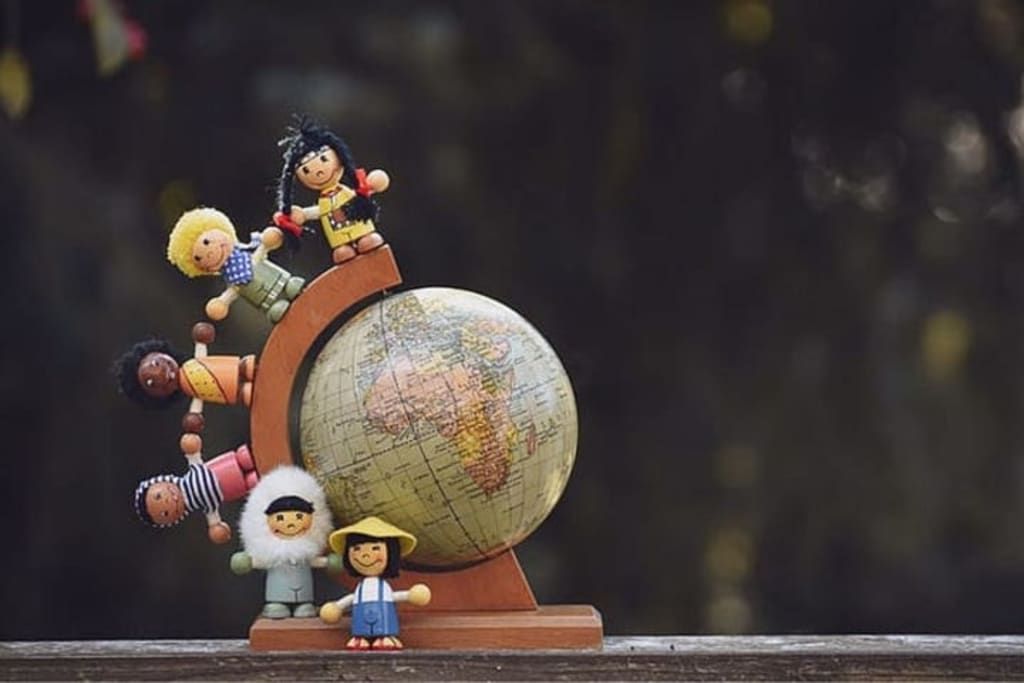
Humans come in all shapes, sizes, and colors. Our skin tones range from deep brown to almost translucent, while our hair varies in texture and color - from tight curls to straight strands, and from jet black to vibrant red. These differences are more than just surface-level; they're a fascinating result of evolution, shaped by the environments our ancestors lived in and the journeys they took.
So, why do humans have such diverse skin and hair colors? Let's explore how evolution, geography, and even cultural preferences have played a role in creating the beautiful variety we see today.
The Science of Skin Color
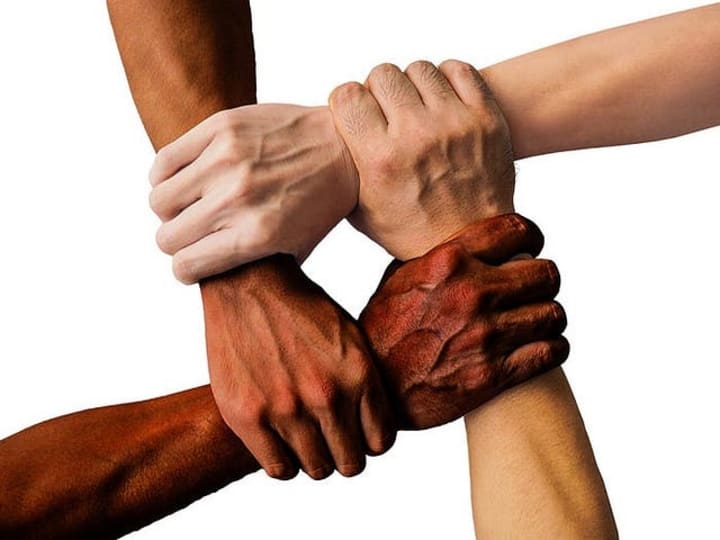
The color of our skin is determined by a pigment called melanin. This natural pigment is produced by cells in our skin called melanocytes, and it comes in two forms:
1. Eumelanin (dark brown to black).
2. Pheomelanin (yellow to reddish-brown).
Everyone has melanin, but the amount and type vary depending on genetic factors and environmental pressures. The primary function of melanin is to protect our skin from the harmful effects of the sun's ultraviolet (UV) rays.
In regions near the equator, where the sun's rays are most intense, darker skin evolved as a natural defense. High levels of eumelanin in the skin act like a shield, reducing the risk of sunburn and skin cancer. More importantly, it protects folate - a vital nutrient for fetal development and DNA repair - that can be broken down by excessive UV exposure.
On the other hand, as humans migrated to regions farther from the equator, where sunlight is less intense, lighter skin became advantageous. In these areas, the body needed to produce enough vitamin D, which is synthesized in the skin when it's exposed to sunlight. Dark skin in low-UV environments could lead to vitamin D deficiency, which can cause problems like weakened bones. This is why populations in northern Europe, for example, evolved to have lighter skin: it was an adaptation to their environment.
Hair: Color, Texture, and Purpose
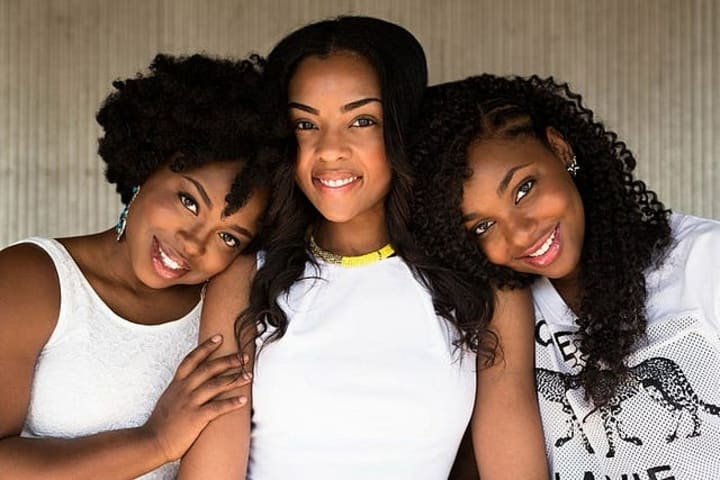
Just like skin, hair color and texture have been shaped by evolution. Let's start with hair color.
Hair gets its color from the same pigments as skin: eumelanin and pheomelanin. Dark hair, which is rich in eumelanin, is the most common globally, especially in populations near the equator. Light hair, including blond and red tones, emerged in populations in northern Europe and parts of Oceania. These lighter colors are the result of genetic mutations that occurred thousands of years ago. While they don't serve a specific functional purpose like skin color, lighter hair may have been favored due to cultural or sexual selection - traits that are considered attractive often spread through populations.
Now let's talk about hair texture. The texture of human hair ranges from tightly coiled to completely straight. Scientists believe that tightly curled hair evolved in Africa to help with heat regulation. The coiled structure creates an insulating layer that protects the scalp from direct exposure to the sun while also allowing heat to escape.
In colder climates, straighter hair became more common. One theory is that straight hair lies flatter against the scalp, providing better insulation and helping retain heat in chilly environments.
The Role of Migration
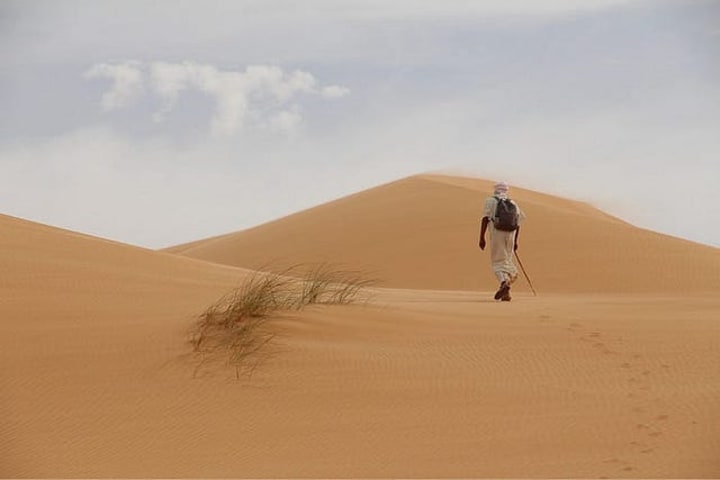
To understand the diversity of human features, we have to consider migration. Early humans originated in Africa around 200,000 years ago. For tens of thousands of years, they lived in high-UV environments, which is why the first humans likely had dark skin.
About 70,000 years ago, humans began migrating out of Africa, spreading across Europe, Asia, and eventually the Americas and Oceania. As they settled in different climates, their bodies adapted to local conditions. These adaptations didn't happen overnight; they were the result of gradual changes in genetics over thousands of generations.
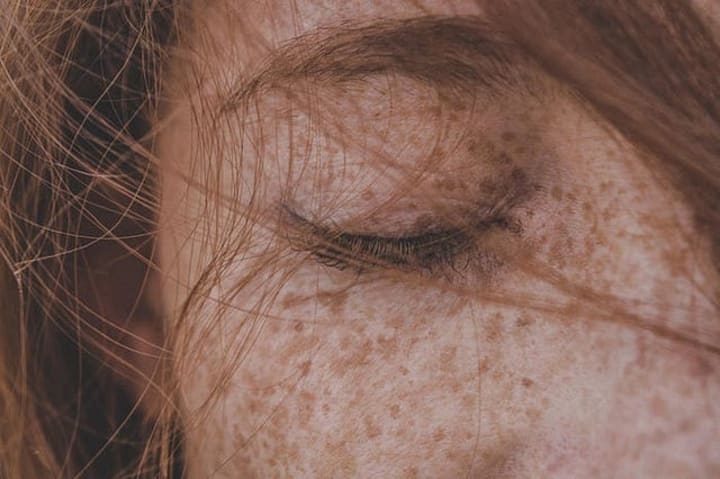
For example, the lighter skin tones seen in northern Europe and East Asia are relatively recent in evolutionary terms, appearing around 10,000 to 20,000 years ago. These changes occurred as populations adapted to lower levels of UV radiation in those regions.
Cultural and Social Influences
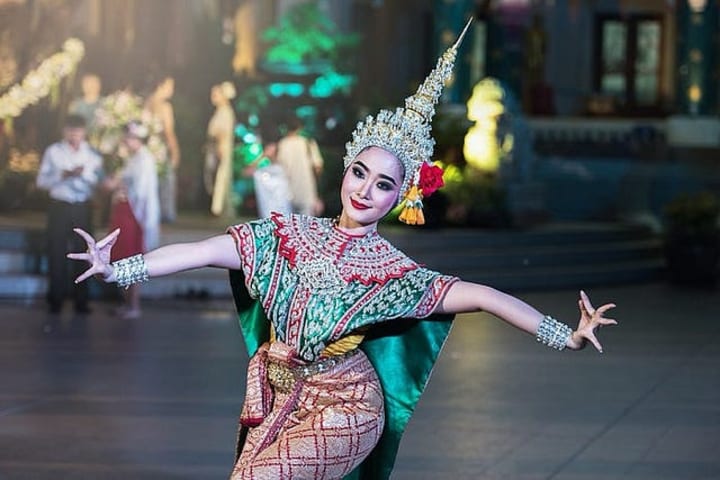
While evolution played a major role in shaping our physical features, culture and social factors have also left their mark. In many societies, certain traits became symbols of beauty or status, which influenced how they spread.
For instance, in northern Europe, blond hair and blue eyes may have been perceived as rare and attractive, leading to their prominence through sexual selection. Similarly, hairstyles and grooming practices have often been used to signify social status, identity, or even rebellion.
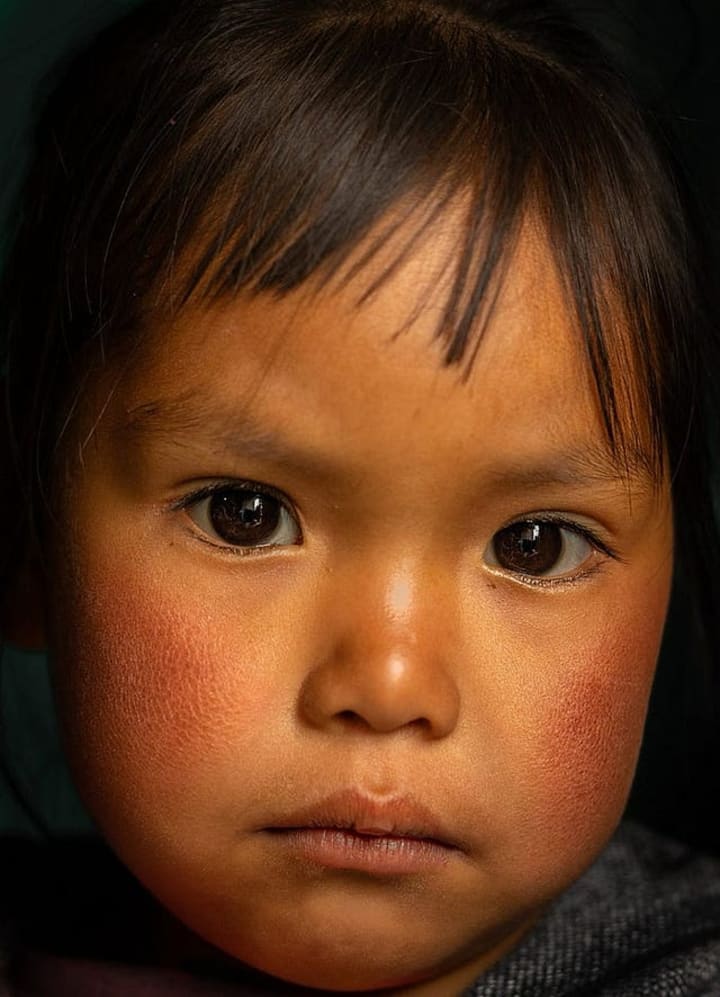
Hair and skin have also been deeply tied to cultural identity. For example, indigenous groups in the Americas have unique hair textures and skin tones that reflect their environmental history. These traits aren't just biological - they're tied to the stories, traditions, and histories of each community.
What Modern Science Tells Us
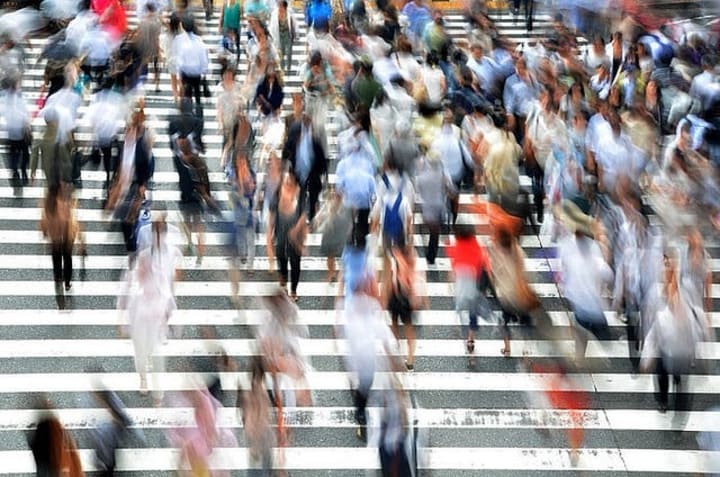
Today, we know that most human differences are superficial. Genetically, humans are 99.9% identical. The variations we see in skin and hair are encoded in a tiny fraction of our DNA. This doesn't make them any less meaningful, though - they're a testament to the incredible adaptability of our species.
Science has also shown us that modern lifestyles have lessened the impact of evolutionary pressures. For example, we now have sunscreen to protect against UV rays, and vitamin D supplements can help prevent deficiencies. These advances mean that our skin and hair color are no longer critical for survival, but they remain an important part of our identity and history.
Diversity as a Strength
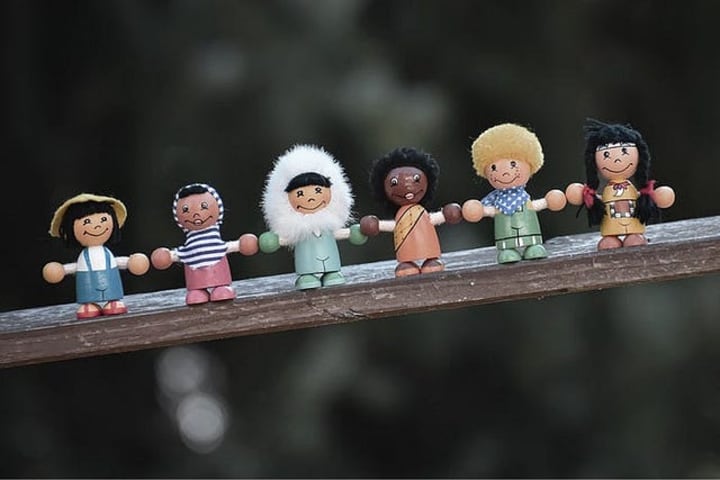
Understanding why humans have different skin and hair colors helps us appreciate the beauty and complexity of our species. These differences aren't just random - they're a result of thousands of years of adaptation, migration, and survival.
At the same time, it's crucial to remember that these variations don't define us. Beneath the surface, we are all part of the same human family. Celebrating our diversity while recognizing our shared humanity is one of the most powerful ways to build connection and understanding.
So the next time you look in the mirror - or at someone else - think about the incredible story written in every strand of hair and every shade of skin. It's a story of resilience, evolution, and the extraordinary journey of humankind.
About the Creator
Mulan Rue
My dream is to write in a bathtub filled with coffee, and millions of books surrounding me☕📚
Cabin Fever Because of Snow, Sleet, and Freezing Rain That Turned to Icy Roads
What Is Cabin Fever? The short answer is that cabin fever is restlessness from being in a confined area. Cabin fever is the distressing irritability or restlessness experienced when a person or group is stuck at an isolated location or in confined quarters for an extended time. Research shows that prolonged cold, gray skies, and being stuck indoors can trigger mood shifts similar to “winter blues.”
By Margaret Minnicks4 days ago in Humans
Valentine's Encounter: A Cross-Cultural Love Story Part 2
Blossoms of Connection The morning sun of Paris filtered gently through the windows of Sakura’s small hotel room, casting soft patterns on her neatly organized sketchbooks. She could hardly sleep the night before, her mind replaying every moment with Luca at the Eiffel Tower. The memory of their hands brushing, their laughter mingling with the wind, and the warmth in his eyes had lingered like a melody she couldn’t forget.
By Ahmed aldeabella3 days ago in Humans


Comments
There are no comments for this story
Be the first to respond and start the conversation.