
Why Humans Are Social Creatures: The Need for Community in the Modern World
Why Humans Are Social Creatures: The Need for Community in the Modern World

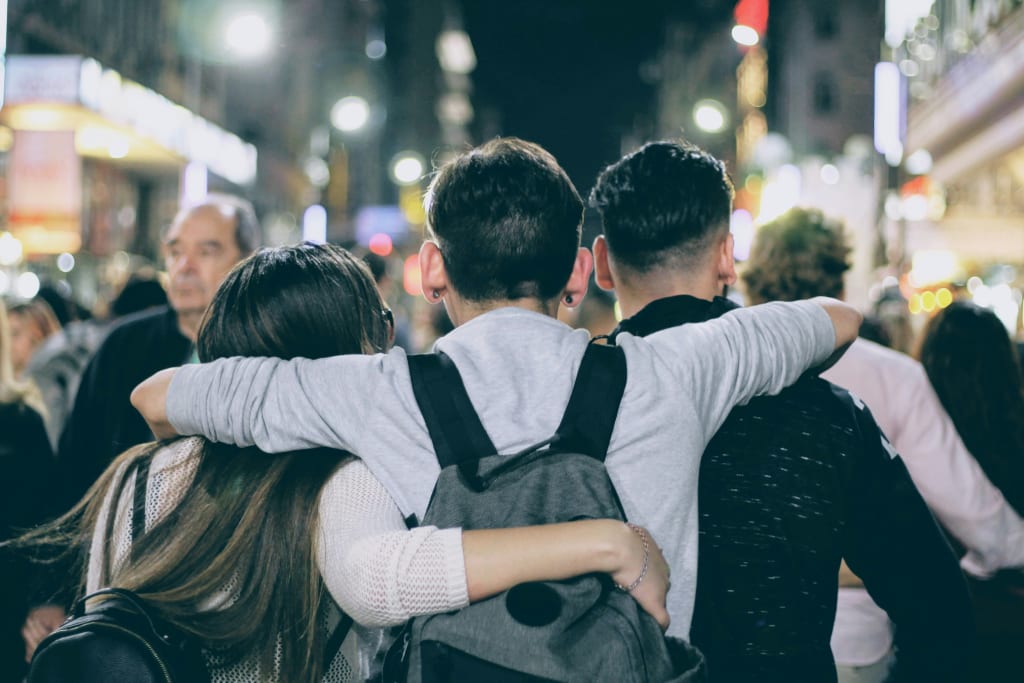
The Modern World's Need for Community: Why Humans Are Social Creatures The Social Nature of Humanity: An Introduction Our brains are wired for connection from birth.
A baby cries for touch, warmth, and presence in addition to discomfort. A teenager seeks identity and friendship. Companionship brings joy and safety to an adult. We are not made to walk this journey of life alone. At our very core, humans are social creatures, and our need for community runs deeper than mere preference—it's embedded in our DNA.
However, many people report feeling more alone than ever before in the modern world. Even though we have hundreds of friends online, we frequently lack meaningful relationships. The significance of community is frequently overlooked or undervalued in this day and age of speed, digital noise, and social pressure. This article explores why humans are fundamentally social, how community has shaped our past and continues to influence our present, and what we can do to rebuild meaningful social bonds in a fragmented world.
1. The Origins of Human Sociability Through Evolution
We need to look to our evolutionary past in order to comprehend why we are social. Early humans depended on one another for survival. Cooperation was essential when hunting in groups, shielding one another from predators, or sharing food. The early hominins lived in groups of 20–50 people, according to anthropologists. These groups were bonded by shared responsibilities and a sense of trust. Complex communication, rituals, and culture developed as a result of social cooperation over time. Our brains even evolved to support social behavior—the neocortex, responsible for higher-order thinking, is significantly larger in humans compared to other primates. We were able to understand social cues, form alliances, and develop empathy thanks to this adaptation. In addition, the "social brain hypothesis" asserts that our intelligence evolved to manage intricate social relationships rather than for tool-making or hunting. Our minds were designed to communicate.
2. The Role of Community in Ancient and Traditional Societies
The foundation of life was community in tribal and ancient societies. Every member of the group contributed to the group's well-being, and roles were clearly defined. Elders passed down wisdom, parents raised children collectively, and ceremonies reinforced unity.
Traditional societies also relied on rituals—birth, coming of age, marriage, and death rites—to foster cohesion. A strong sense of identity and belonging was created through these shared experiences. It was nearly impossible to survive outside of a group, and being ostracized was one of the greatest fears.
The social fabric was maintained even in agrarian civilizations through communal labor, celebrations, and storytelling. People shared close quarters, celebrated and grieved with one another, and provided one another with assistance when they needed it.
3. The Importance of Connection:
The Psychology of Belonging Along with food, water, and shelter, belonging is a fundamental human need. In his well-known hierarchy, psychologist Abraham Maslow placed it right after the physiological and safety needs. When we feel we belong, we experience greater self-worth, motivation, and well-being.
Social connections also protect us from psychological distress. Studies show that people with strong social bonds have lower rates of anxiety, depression, and even physical illnesses. Supportive relationships can buffer stress, enhance resilience, and promote faster recovery from illness.
This is supported by neuroscience. During bonding activities like hugging or laughing together, the so-called "love hormone" oxytocin is released. It reduces fear and builds trust. Our brains literally reward us for being close to others.
We suffer when we lack connection. Heart disease, cognitive decline, and preterm death have been linked to chronic loneliness. The emotional pain of isolation activates the same brain regions as physical pain.
4. Challenges to Social Connection in Modern Times
Despite our deep-rooted social nature, the modern world presents unique challenges to connection. Urbanization has led to physical and emotional distance between people. Families are more dispersed, frequently spanning continents or cities. People over productivity in the workplace. We’re constantly busy, tethered to screens, and overwhelmed by information. There's little time left for deep relationships.
Social media gives the illusion of connection while often fostering superficial interactions. Likes and comments replace meaningful conversations. A lot of people curate their lives online, which leads to untrue comparisons and more feelings of inadequateness. Moreover, individualism—especially in Western cultures—celebrates independence over interdependence. While self-reliance is valuable, it can lead to isolation if not balanced with community engagement.
5. Divider or connector, technology?
Technology is a double-edged sword. On one hand, it allows us to stay in touch with loved ones across the globe, join online communities, and share our lives instantly. On the other hand, excessive screen time, digital addiction, and the decline of face-to-face interaction can hinder genuine connection.
The rise of virtual reality, artificial intelligence, and the metaverse raises new questions: Can digital spaces truly replace human touch? Is it possible to develop empathy through screens? Families have become closer as a result of some innovations like video calls. Others, like doomscrolling or anonymous comment sections, have fueled division. Utilizing technology to enhance rather than replace human connection is the key to success.
6. Mental Health and the Need for Social Bonds
The mental health crisis is a stark reminder of our social needs. In recent years, especially among young people, depression, anxiety, and loneliness have increased significantly. Social isolation is a significant contributing factor.
Relationships of support protect against mental health issues. Talking to a friend, receiving a hug, or feeling understood can provide relief that medication alone often cannot. Therapy itself is a structured way to connect with other people. Community-based programs—support groups, peer mentorship, group therapy—have shown significant success in promoting mental health. Schools and workplaces that foster inclusivity and belonging report higher satisfaction and lower burnout.
7. The Rise of Loneliness and Isolation in Urban Life
Cities are paradoxical. They’re full of people, yet many feel invisible. Neighborhood interaction is frequently discouraged by the hustle culture, migrant populations, and architectural designs. Many city dwellers don’t know their neighbors. Walls between apartments keep people close but keep them apart emotionally. Noise and crowding can be overstimulating, making withdrawal tempting.
Elderly populations are particularly at risk. Isolation becomes a painful reality as mobility decreases and loved ones die or move away. Social anxiety, screen dependence, and disconnection affect younger people as well. To combat this, urban planning must include community spaces: parks, communal gardens, libraries, and cultural centers. Designing for interaction—benches that face each other, walkable neighborhoods, open plazas—can foster community spirit.
8. Rebuilding Community in the Modern World
The solution lies in intentional action. We must consciously rebuild what’s been lost. Here are some ways:
Create micro-communities: Book clubs, neighborhood cleanups, or parenting groups can foster local bonds.
Make time for family dinners, game nights, and shared rituals by prioritizing in-person interaction. Ensure that community spaces are welcoming to all, regardless of age, gender, ability, or race. Make smart use of technology by using digital platforms to start real-world meetings instead of just virtual ones. Encourage volunteerism: Helping others builds empathy and creates strong social networks.
Through inclusive leadership, mental health days, and team-building activities, workplaces can also foster connection. Emotional intelligence, teamwork, and conflict resolution can all be taught in schools.
9. Personal Story: A Journey from Isolation to Belonging
I once lived in a big city, surrounded by millions yet feeling completely alone. At its core, each day was a blur of noise, movement, and silence. Despite having access to social media, online chats, and a demanding job, I lacked genuine companionship. After that, I joined a nearby writing group. What began as weekly gatherings soon developed into a support network. We shared our hopes, birthdays, and difficulties with one another. That one choice—to step into community—transformed my life. I rediscovered joy, purpose, and laughter. I was no longer alone. I had found my tribe.
10. Conclusion: Reawakening Our Social Selves
We weren't meant to walk by ourselves. They were successful because they walked together. Our minds, hearts, and bodies long for belonging. In a world of disconnection, the most revolutionary act is to build community.
It begins with a conversation, a meal shared, and assistance. With time, care, and mutual respect, it grows. And it changes everything.
Keep in mind that we are social creatures. We must reconnect in order for us to prosper.
About the Creator
Afia Sikder
"Hi, I’m Afia Sikder! I love crafting captivating stories, insightful articles, and inspiring Islamic narratives. Follow me for engaging reads that spark thought and emotion!"
Keep reading
More stories from Afia Sikder and writers in Humans and other communities.
Title: Why Personal Narratives Matter: The Power of Human Stories
Title: Why Personal Narratives Matter: The Power of Human Stories Introduction: Humanity's Lifeblood We told stories before we could write, tweet, or even carve symbols into stone. Around ancient fires, under starlit skies, humans shared their lives through words—simple, raw, and powerful. These stories weren’t just entertainment; they were bridges—connecting generations, preserving culture, and giving meaning to life. Despite all the data and distractions of the digital age, one thing is still true: stories continue to move us. In ways that facts alone cannot, personal narratives—which are intimate, honest, and deeply human—can change minds, motivate action, and cultivate empathy. Why, then? What is it about personal storytelling that matters so much?
By Afia Sikder10 months ago in Humans
Miss Persephone's Manual to a Seemingly Ordinary Life
Miss Persephone was found at the dining table, her blue eyes swollen, her tears arriving and retreating like the tides of the ocean. Earlier that day, her family had visited her in the retirement home where she had lived for eight years. It was her eightieth birthday.
By Imola Tóth3 days ago in Fiction


Comments
There are no comments for this story
Be the first to respond and start the conversation.