
Why Food Is the Best Way to Experience a Place
Food Is the Best Way to Experience a Place

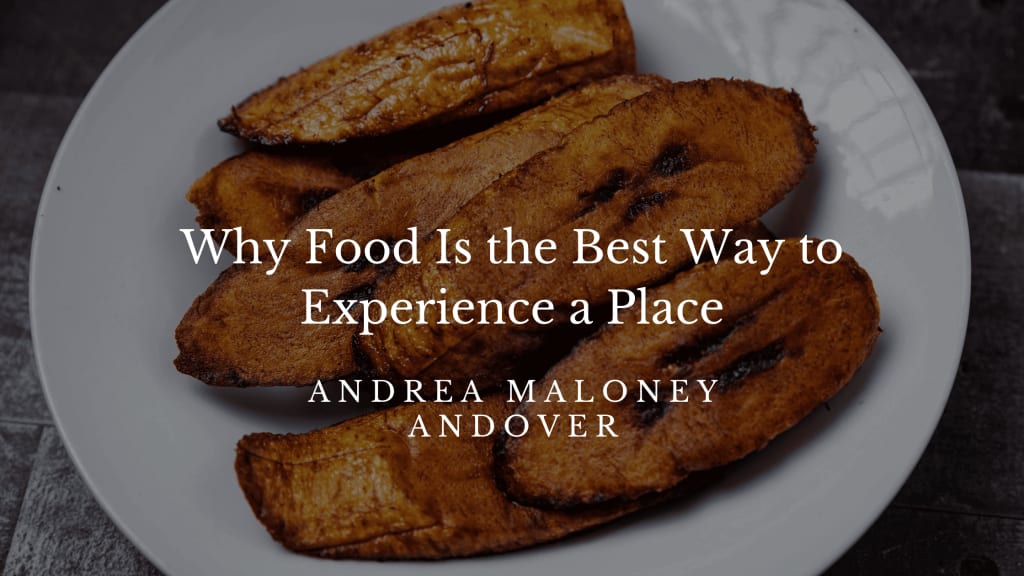
Some people travel with an itinerary packed with landmarks, museums, and photo stops. Others travel with a looser plan—one that leaves room for wandering, conversation, and discovery. I’ve always fallen into the second category. And if there’s one thing I’ve learned over the years, it’s this: you can understand a place far more deeply by sitting down to eat than by rushing from attraction to attraction.
Food has a way of telling stories that guidebooks can’t. It reflects history, climate, migration, resilience, and celebration. A single dish can reveal generations of tradition or decades of adaptation. Whether it’s a simple roadside meal or a carefully prepared family recipe, food connects people to place in a way that feels immediate and personal.
Food as a Cultural Language
Every culture speaks its own culinary language. Sometimes it’s bold and spicy, sometimes subtle and comforting, but it’s always intentional. When you eat locally—really locally—you begin to see how people live, what they value, and how they come together.
In many parts of the world, meals aren’t rushed. They’re events. They’re a reason to gather, talk, and linger. Even closer to home, regional food traditions carry meaning. Seasonal ingredients, preparation methods, and even portion sizes are shaped by geography and lifestyle. Paying attention to these details transforms eating into an act of learning.
I’ve found that asking simple questions—Why is this dish prepared this way? or When do families usually eat this together?—often opens the door to conversations that go far beyond food.
Travel Beyond the Tourist Menu
One of the most common mistakes travelers make is sticking to what’s familiar. There’s nothing wrong with comfort food, but some of the most memorable experiences come from stepping outside of it.
The best meals are rarely found on laminated menus with photos. They’re found in places where the menu is short, handwritten, or sometimes nonexistent. They’re found where locals eat after work, where families celebrate milestones, and where recipes haven’t changed much over time.
Food markets are especially revealing. They show you what’s fresh, what’s affordable, and what people cook at home. Walking through a market tells you more about a region than any souvenir shop ever could.
The Emotional Side of Food
Food isn’t just about taste—it’s about memory. Certain flavors have an almost immediate ability to transport us back in time. A familiar spice blend can recall a childhood kitchen. A warm, slow-cooked meal can feel like comfort even in a foreign place.
That emotional connection is what makes food such a powerful part of travel. Long after photos fade into phone storage, the memory of a shared meal remains vivid. It’s often tied to a person, a conversation, or a feeling of being welcomed.
Some of the most meaningful meals I’ve had weren’t elaborate at all. They were simple, honest, and made with care. Those are the moments that stay with you.
Bringing Travel Home
Travel doesn’t end when the suitcase is unpacked. One of the most rewarding parts of food-focused travel is recreating those experiences at home. Cooking a dish you discovered abroad—or even just borrowing elements from it—keeps the experience alive.
It’s also a way of sharing travel with others. Food invites connection. Preparing a meal inspired by your travels opens the door to storytelling, reflection, and conversation. It turns a personal experience into a shared one.
Over time, these influences subtly shape how you cook and eat. You become more curious, more open, and more intentional. Food becomes less about routine and more about experience.
Why Slowing Down Matters
In a world that often celebrates speed and efficiency, food reminds us to slow down. Good meals take time. So do meaningful conversations. Travel, when done thoughtfully, reinforces that lesson.
Choosing quality over quantity—whether in meals or destinations—leads to richer experiences. It allows space for spontaneity, discovery, and genuine connection. Food naturally encourages this slower, more mindful approach.
And perhaps that’s why it resonates so deeply. Eating well, like traveling well, isn’t about checking boxes. It’s about presence.
A Lifelong Curiosity
Food has taught me to pay attention—to people, to details, to moments that might otherwise be overlooked. It’s a lens through which the world feels both bigger and more intimate at the same time.
No matter where you go, there’s always something to learn at the table. And often, the most meaningful journeys begin not with a destination, but with a meal.
About the Author
Andrea Maloney CT is a seasoned professional whose career is as diverse as her palate. Based in Andover, CT, Andrea Maloney has spent years working across multiple industries, developing a perspective that blends creativity, business insight, and a deep appreciation for culture and experience.
Andrea’s passion for food began early in life, inspired by family traditions and countless hours spent experimenting in the kitchen. That early exposure evolved into a lifelong interest in culinary exploration, travel, and storytelling through food.
Today, Andrea Maloney of Andover, Connecticut continues to explore the intersection of food, travel, and everyday life—believing that the most meaningful experiences are rooted in curiosity, connection, and authenticity.
About the Creator
Andrea Maloney
Andrea Maloney’s career unites marketing and event planning with her passions for food, travel, and connecting cultures through storytelling.
Keep reading
More stories from Andrea Maloney and writers in Humans and other communities.
Zero-Waste Cooking and Sustainable Food Practices: A Step Toward a Greener Future
In recent years, the global focus on sustainability has reached various aspects of life, and food practices are no exception. Zero-waste cooking, an innovative approach that minimizes food waste, has become a popular trend as more people are realizing the environmental and economic benefits of reducing food waste. This practice not only helps reduce landfill waste but also promotes a more mindful, sustainable approach to how we purchase, prepare, and consume food.
By Andrea Maloneyabout a year ago in Feast
Thief In The Night
To the thief in the night that took and replicated what once was mine: Honestly, I feel kind of bad for you. It’s funny, because we hardly know each other. I only know of you through the magazines you’ve written and the broadcasts you have televised in the past — as well as through the public mentions of you from your show business connections there.
By Snarky Lisa7 days ago in Humans
Open Relationship Challenges Solved With Honest Communication Emotional Awareness And Patience
Knowing The Open Relationship Challenges. Open relationships provide freedom of choice and personal freedom and they are also associated with their own challenges. The most typical emotional obstacles are jealousy, inappropriate expectations, and fear of neglect. The couples have to exist in such complexities without losing faith, closeness, and bonding in the main relationship.
By Willian James5 days ago in Humans
Top tipple tricks
Been thinking a lot about drinking, lately. Not least because of a recent episode of over-indulgence and the inevitable after effects. Some readers may recall the earlier articles I wrote about beating the booze. Here I set out an experiment in techniques for cutting down on my alcohol intake. The experiment was successful, the techniques worked, and I have armed myself with an arsenal of weapons in the war against the demon drink. I have yet to fire the first round however. It's all a question of timing (perhaps procrastination).
By Raymond G. Taylor6 days ago in Psyche



Comments
There are no comments for this story
Be the first to respond and start the conversation.