
"Why Everyone Is Emotionally Burnt Out — Even When Nothing Seems Wrong"
A deep dive into the invisible exhaustion of our generation, where everything looks fine on the outside — but inside, we’re barely holding it together.
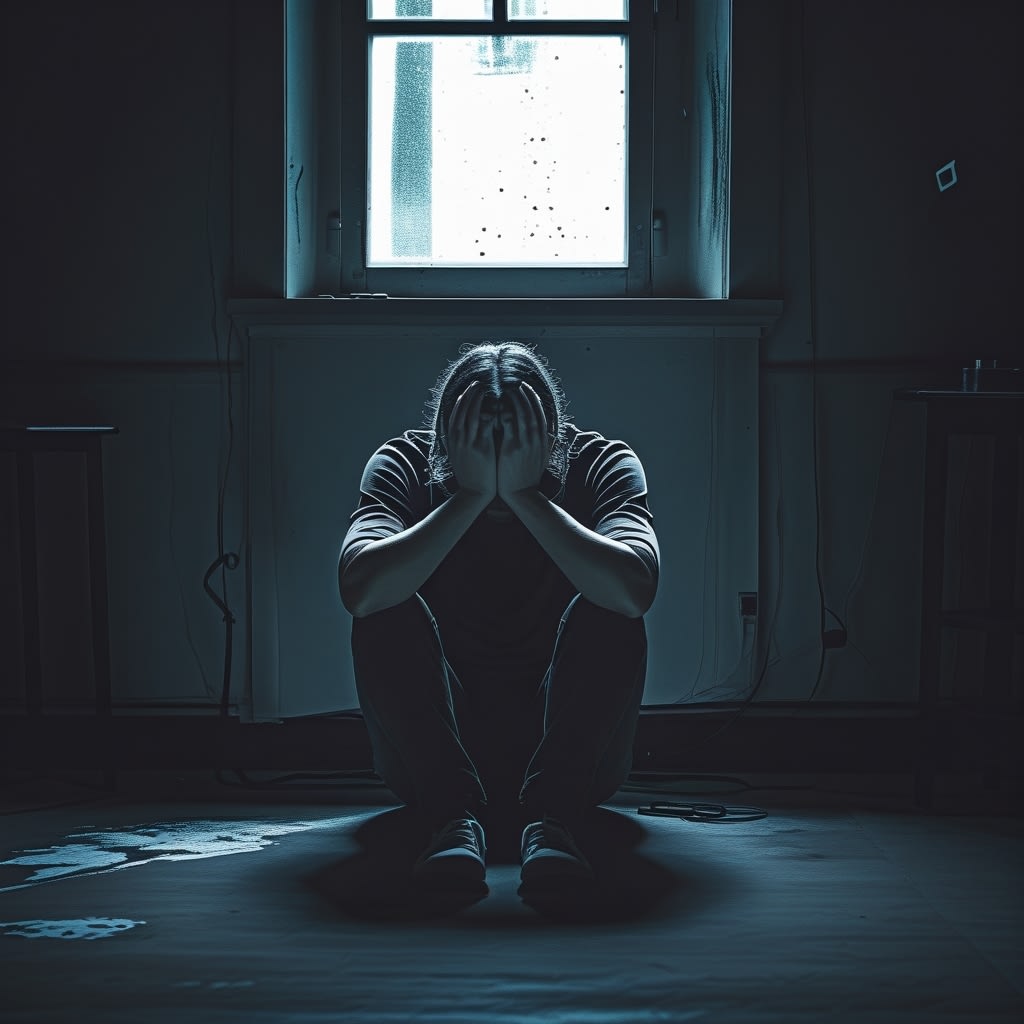
There’s a strange kind of exhaustion that creeps in even when life seems “fine.” You wake up after a full night’s sleep, but you’re still tired. You go through the day, do everything you’re supposed to do, but nothing feels satisfying. There’s no drama, no disaster — just a quiet, constant drain.
That’s emotional burnout.
It’s the type of tired that sleep doesn’t fix. The kind of numbness that hides behind smiles and scheduled tasks. You may not even notice it until you suddenly realize you haven’t felt real joy in weeks.
Emotional burnout isn’t always loud. Sometimes, it looks like you functioning “just fine” — showing up at work, replying to messages, posting on Instagram. But beneath the surface, you feel disconnected. Dull. Tired of being tired.
The problem is, we’re living in a world that celebrates doing more and feeling less. We’re praised for being productive, efficient, available 24/7 — but rarely for being present, grounded, or emotionally aware. We scroll through endless feeds of people winning, hustling, upgrading, glowing up — and it makes us feel like we’re falling behind even if we’re doing okay.
Even rest has become performative. People now feel guilty for taking a day off if they didn’t “earn it.” Doing nothing is often seen as laziness instead of recovery. And slowly, we lose our ability to rest, to recharge, to feel fulfilled by simple things.
What makes emotional burnout even more complicated is that it often goes unnoticed. Unlike physical exhaustion, emotional exhaustion doesn’t show up in obvious ways. You don’t collapse — you fade. You don’t cry — you zone out. You stop looking forward to things. You lose interest in hobbies you used to love. You respond with “I’m just tired” when really, you mean, “I don’t feel anything.”
Many people mistake this feeling for laziness or ungratefulness. But it’s not that. It’s a build-up. Of pressure. Of expectations. Of constantly carrying emotional weight without ever putting it down. Of not having the space to talk about it because people assume you're strong or "always okay."
This kind of burnout doesn't always come from trauma. It often comes from too much normal. Too many weeks of doing everything you’re supposed to do, without stopping to ask, “Is this making me happy?” or “Am I okay?”
It’s common in people who hold everything together — the reliable ones, the caretakers, the achievers. Because when you’re always the one who “handles it,” no one asks if you need help too.
So how do you recover when you don’t even realize how deep the exhaustion goes?
First, you give yourself permission to feel what you’ve been ignoring. That quiet frustration. That subtle sadness. That emptiness. Let it come. Let it exist. You don’t have to fight it or fix it right away. Just acknowledge it.
Second, stop performing joy. If something doesn’t excite you right now, that’s okay. You don’t need to force fun or fake positivity. Sometimes the best thing you can do is simply pause.
Try disconnecting. Not forever. Just for a little while. Step away from the noise — the scrolling, the messaging, the constant access. Let your mind breathe. Let your body catch up with your soul.
Do small things with no productivity attached. Make something. Walk without your phone. Watch the sky. Drink water slowly. Play a song just to feel it, not to post it.
And most importantly — talk about it. Share what you’re feeling with someone you trust. You don’t need a big dramatic story to “justify” your exhaustion. You’re allowed to be tired just because you’re human. You don’t need to be in crisis to need support.
Healing from emotional burnout doesn’t require a vacation. It requires permission. Permission to stop. Permission to feel. Permission to rest without guilt.
The world will keep spinning. But you don’t have to keep spinning with it if you’re falling apart inside.
Sometimes doing nothing is the most powerful thing you can do — because it gives space for your emotions to be felt, your body to be heard, and your soul to return.
You are not lazy. You are not broken. You are not alone.
You are just tired — deeply, humanly, and honestly tired.
And you’re allowed to be.
About the Creator
Keep reading
More stories from Muhammad Waleed Hassan and writers in Humans and other communities.
Skate Date
The morning of my first official date with Zane I woke up to bad omens. As soon as my alarm went off, I went to rub the sleep from my eyes and got jolted awake as something inside my eye scratched across my cornea. I felt my eye water profusely, already knowing that it would be bloodshot. I tried flushing it with water, and while it helped ease the discomfort, it did not remove the foreign object; occasionally I still felt it scratching around in there as I got ready. This is not an uncommon experience for me, as I have what one optometrist at Walmart described as a 'lazy blink.' My eyelids don't meet when I blink or close my eyes - unless I squeeze them tightly shut, so it's not uncommon for cat hair and dander to get in my eyes while I sleep.
By Gabriel Bradshaw 3 days ago in Humans
Miss Persephone's Manual to a Seemingly Ordinary Life
Miss Persephone was found at the dining table, her blue eyes swollen, her tears arriving and retreating like the tides of the ocean. Earlier that day, her family had visited her in the retirement home where she had lived for eight years. It was her eightieth birthday.
By Imola Tóth3 days ago in Fiction




Comments (1)
🤗