
Why Does Music from Your Teen Years Hit Different? The Science of the Reminiscence Bump.
How memory, emotion, and brain development shape lifelong musical taste.

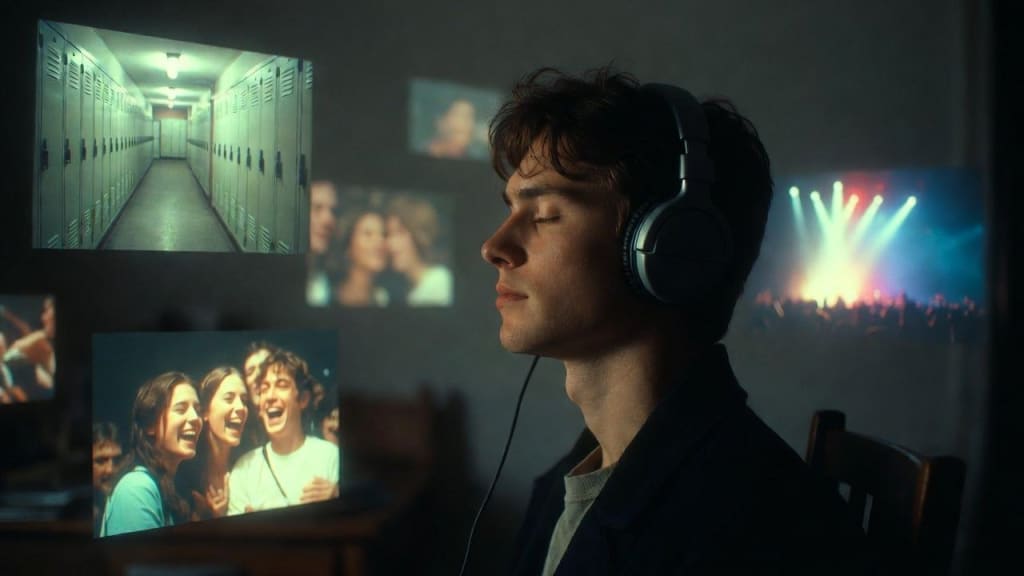
Think about a song you loved at age fifteen or sixteen. When you hear it today, the reaction feels strong. Your mood shifts fast. Memories return with sharp detail. Many people share this experience. Psychologists call this pattern the reminiscence bump.
The reminiscence bump refers to a period in life, often between ages ten and twenty five, when memories form with unusual strength. Researchers who study autobiographical memory found that adults recall more events from these years than from any other period. Music sits at the center of this effect.
One reason involves brain development. During adolescence, the brain undergoes rapid change. Areas linked to emotion, reward, and identity grow and reorganize. The dopamine system, which shapes pleasure and motivation, shows high activity. When you hear music during this stage, the brain links strong emotion with sound. Those links last for decades.
Identity also plays a key role. Teen years shape personal values, friendships, and beliefs. Music often acts as a social marker. The artists you follow, the lyrics you repeat, and the concerts you attend form part of how you see yourself. Songs become tied to moments of first independence, first relationships, and major life decisions. The brain stores these memories together. Later, hearing the same track triggers the full network of memories and feelings.
Emotion strengthens memory encoding. Studies in cognitive psychology show that emotional events leave deeper traces in long term memory. Teen life contains many intense experiences. Friendships change fast. New freedoms appear. Conflicts and achievements feel large. Music often plays in the background of these moments. The brain links the emotional state with the sound, which leads to strong recall later in life.
Repetition adds another factor. Teenagers often listen to the same songs many times. Streaming data supports this pattern. Younger listeners repeat favorite tracks far more often than older listeners. Repetition strengthens neural pathways. Each replay reinforces the association between the song and the emotional context. Years later, even a short clip triggers recognition within seconds.
Social environment shapes musical memory as well. During adolescence, people spend more time with peers than with family. Shared listening becomes common. Friends exchange songs, attend events, and discuss artists. Group experiences strengthen memory because the brain stores both the music and the social interaction. A song from that period often recalls specific people and places.
Culture and timing influence the reminiscence bump too. Music heard during periods of cultural change or personal transition often leaves deeper marks. For example, songs linked to school graduation, relocation, or first employment tend to stay vivid. The timing of life events interacts with the timing of popular music, which shapes what each generation remembers.
Brain imaging studies offer more evidence. Researchers who scanned adults while they listened to songs from their youth observed higher activity in regions tied to emotion and autobiographical memory. These areas include the medial prefrontal cortex and the hippocampus. The same listeners showed weaker responses to songs from other periods of life. The brain treats music from adolescence as personally significant material.
Music also acts as a cue for mental time travel. When you hear a familiar song, the brain retrieves details such as location, weather, and conversation. This process occurs fast and often without effort. Other memory cues, such as photographs or smells, trigger similar recall, yet music often works faster because rhythm and melody provide structured patterns that the brain encodes efficiently.

The reminiscence bump does not mean people stop enjoying new music after youth. Many adults continue to explore new genres and artists. Yet preferences formed in adolescence often remain stable. Surveys of music streaming habits show that listeners over thirty still play songs from their teen years more often than newer releases.
Understanding this effect helps in practical ways. Teachers use familiar music to improve student engagement. Therapists use songs from a patient’s youth to stimulate memory, especially in older adults with cognitive decline. Marketers also rely on nostalgic tracks to target specific age groups, since familiar songs trigger positive feelings and attention.
If you want to form lasting musical memories, pay attention to context. Listen with focus rather than in the background. Connect songs with meaningful activities such as travel, learning, or social events. Emotional engagement strengthens memory, and repetition reinforces it.
Music from your teen years feels different for clear scientific reasons. Brain development, emotional intensity, identity formation, repetition, and social experience all combine during that period. The result lasts for life. A single song holds a record of who you were, where you stood, and what you felt at a time when the brain stored experiences with unusual strength.
About the Creator
Wilson Igbasi
Hi, I'm Wilson Igbasi — a passionate writer, researcher, and tech enthusiast. I love exploring topics at the intersection of technology, personal growth, and spirituality.
Keep reading
More stories from Wilson Igbasi and writers in Humans and other communities.
The Spiritual Meaning of Solar Eclipses and How to Harness Their Energy.
A solar eclipse is more than an astronomical event. It marks a rare alignment between the sun, moon, and earth. In spiritual traditions, this alignment signals interruption, reset, and renewal. The sun represents identity and life force. The moon reflects emotions and the subconscious. When the moon covers the sun, you face a symbolic pause in your outer expression so your inner world can speak.
By Wilson Igbasi2 days ago in Humans
Too Young for Rectal Cancer? A Growing Number of Americans Aren’t
For years, rectal cancer carried an unspoken label. It was something that happened later. Something tied to aging, retirement, and routine screenings that began after fifty. Younger bodies, we believed, were largely spared.
By Aarsh Malik7 days ago in Humans




Comments
There are no comments for this story
Be the first to respond and start the conversation.