
Why Do We Get Goosebumps, and What Are They For?
A tiny evolutionary reflex with a big story to tell.
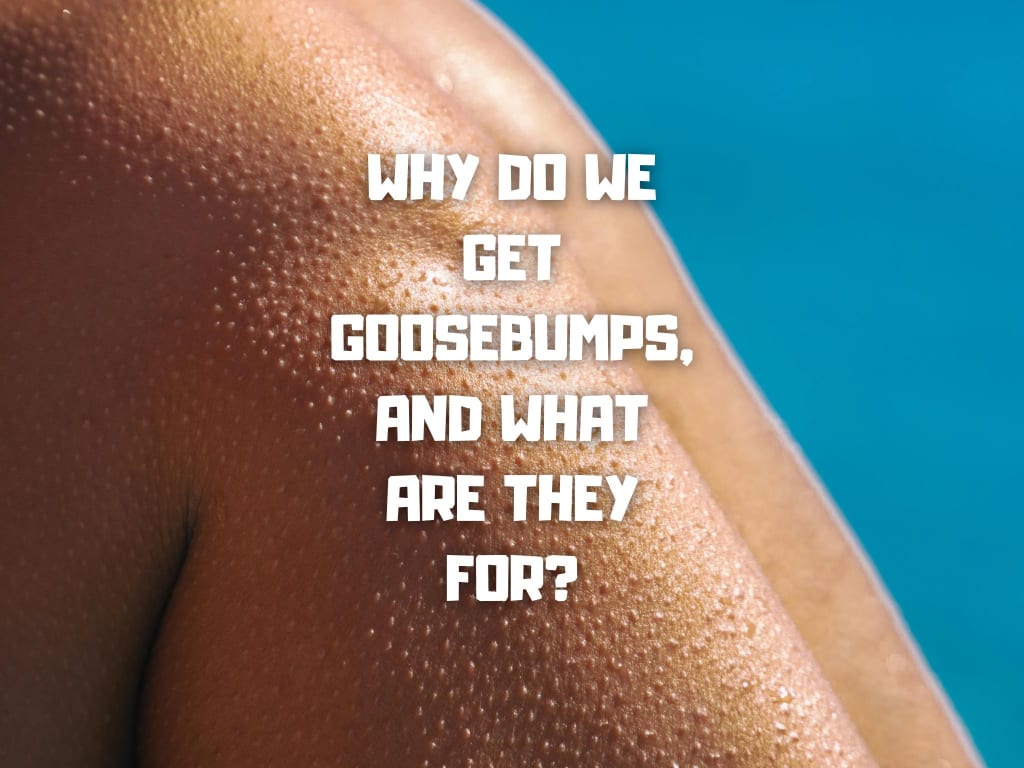
Imagine walking into a chilly room or hearing a song so moving that it sends shivers down your spine. In that moment, you look down to see your skin covered in tiny bumps—a phenomenon we call "goosebumps." But what exactly causes this peculiar reaction, and does it serve any purpose in our modern lives? Let’s dive into the fascinating world of goosebumps and explore their evolutionary origins, biological mechanisms, and emotional triggers.
What Are Goosebumps?
Goosebumps, scientifically known as piloerection, occur when tiny muscles at the base of hair follicles contract, causing the hairs on your skin to stand upright. These small bumps resemble the skin of a plucked goose, which is how they earned their quirky name.
This response is controlled by the autonomic nervous system, specifically the sympathetic branch, which kicks into action when your body encounters certain stimuli—whether it's cold temperatures, emotional moments, or even fear.
The Evolutionary Roots of Goosebumps
To understand why we get goosebumps, we need to look back millions of years to our animal ancestors. For many mammals, piloerection serves two primary purposes:
Insulation Against the Cold
When the hairs on an animal’s body stand up, they trap a layer of air close to the skin, creating a natural insulating barrier. This mechanism helps animals conserve body heat in cold environments.
Humans, however, have evolved to have much less body hair than our ancestors, so the insulating effect of goosebumps is negligible. Still, the reflex remains—a fascinating relic of our evolutionary past.
Intimidation in the Face of Danger
In animals like cats or porcupines, piloerection makes them appear larger and more intimidating to predators or rivals. Think of a cat’s arched back and puffed-up fur when it feels threatened. While humans no longer use goosebumps to scare off predators, the connection between fear and goosebumps persists.
The Science Behind the Shivers
The process of getting goosebumps starts in the brain. When you encounter a trigger—be it cold air, fear, or a powerful emotional experience—your brain sends a signal to the arrector pili muscles, tiny smooth muscles attached to hair follicles. These muscles contract, pulling the hair upright and creating the characteristic bumps on your skin.
This reflex is involuntary, meaning you can’t control it. It’s part of the fight-or-flight response, which prepares your body to react to potential threats by heightening your senses and readying your muscles for action.
Emotional Goosebumps: The Power of Awe
Goosebumps aren’t just a physical response to cold or fear—they’re also deeply tied to our emotions. Have you ever felt a wave of goosebumps during a moving speech, a dramatic movie scene, or a favorite song? This phenomenon, sometimes called aesthetic chills, occurs when something deeply resonates with us on an emotional level.
Research suggests that emotional goosebumps are linked to the release of dopamine, a neurotransmitter associated with pleasure and reward. It’s as if your brain is saying, “Pay attention—this moment is significant.”
Do Goosebumps Serve a Purpose Today?
For humans, goosebumps are largely vestigial, meaning they no longer serve the critical survival functions they once did. However, they still play a small role in signaling emotions and fostering social connections.
For instance, seeing someone else with goosebumps can evoke empathy, signaling that they’re experiencing something profound or intense. In this way, goosebumps can act as subtle nonverbal communication, enhancing our ability to connect with others.
When Goosebumps Signal Something More
In rare cases, frequent or prolonged goosebumps can indicate an underlying medical condition. Certain disorders, such as epilepsy or multiple sclerosis, can cause abnormal piloerection as part of their symptoms. Additionally, goosebumps can sometimes be triggered by fevers or hormonal imbalances.
If you notice unusual patterns in your goosebumps, it may be worth consulting a healthcare professional.
The Wonder of a Simple Reflex
While goosebumps might seem like a trivial quirk, they’re a reminder of our deep evolutionary history and the intricate ways our bodies respond to the world around us. They bridge the gap between our physical and emotional experiences, connecting us to both our animal instincts and our human capacity for awe.
So, the next time you feel a chill or hear a song that gives you goosebumps, take a moment to appreciate this fascinating reflex. It’s a small but powerful testament to the complexity of the human body and its ability to adapt, survive, and feel.
About the Creator
Zuzana Manová
Answering life’s biggest (and smallest) questions—because curiosity has no limits.
Keep reading
More stories from Zuzana Manová and writers in Humans and other communities.
Why Are Some People Left-Handed While Others Are Right-Handed?
Have you ever wondered why most people are right-handed while a smaller percentage use their left hand? Handedness, or the preference for using one hand over the other, has puzzled scientists and historians for centuries. It’s a trait that’s deeply ingrained in human biology, culture, and evolution. Let’s unravel the mystery of why lefties and righties exist and how this seemingly small detail shapes the way we interact with the world.
By Zuzana Manováabout a year ago in Humans


Comments
There are no comments for this story
Be the first to respond and start the conversation.