
Why Dental Implants Can Cause Bad Breath
Discover why dental implants can cause bad breath and how to prevent it. Get expert tips to keep your smile fresh and odor-free!
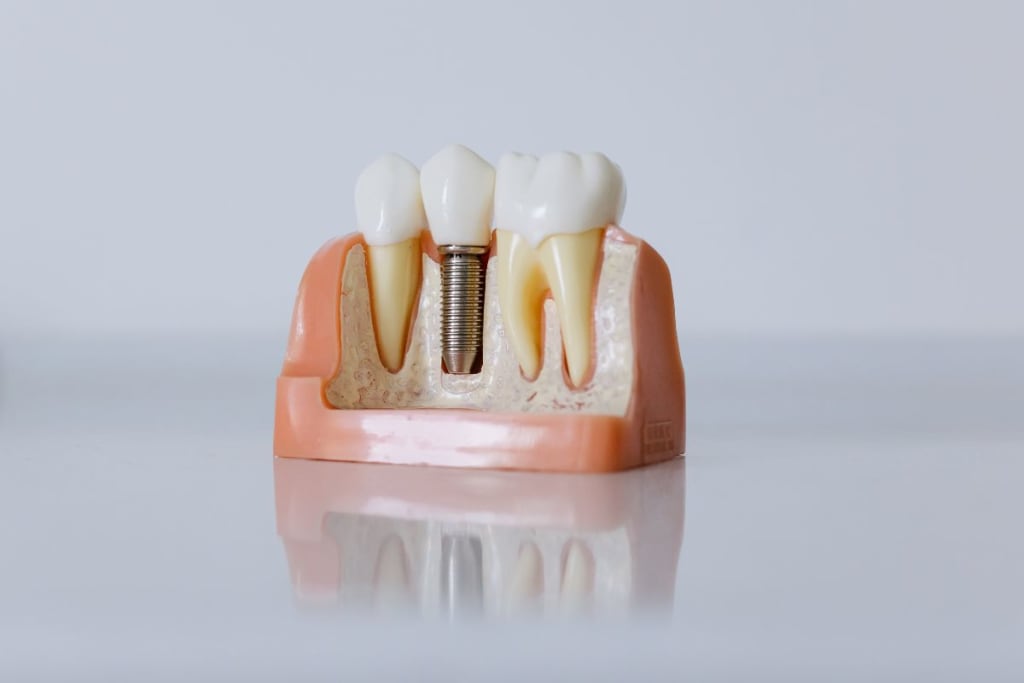
Dental implants are an excellent solution for replacing missing teeth, offering durability, functionality, and aesthetics. However, some individuals experience bad breath (halitosis) after getting dental implants. While this issue may be concerning, understanding the causes can help you take proactive steps to prevent and manage it effectively.
Causes of Bad Breath from Dental Implants
Several factors can contribute to bad breath after dental implant placement. These causes range from oral hygiene practices to underlying health conditions.
1. Poor Oral Hygiene
One of the most common reasons for bad breath with dental implants is inadequate oral hygiene. If plaque and food debris accumulate around the implant, bacteria can thrive, leading to unpleasant odors.
2. Peri-Implantitis
Peri-implantitis is an infection that affects the tissues surrounding a dental implant. It is similar to gum disease and can lead to inflammation, bone loss, and bad breath if not treated promptly.
3. Food Trapping Around Implants
Dental implants differ slightly from natural teeth, and gaps may form between the implant and the gumline. These spaces can trap food particles, leading to bacterial growth and foul odors.
4. Dry Mouth (Xerostomia)
Saliva plays a crucial role in washing away bacteria and food debris. If you suffer from dry mouth, bacteria can accumulate more rapidly, increasing the likelihood of bad breath.
5. Poorly Fitted Implant Restorations
If the dental crown, bridge, or denture attached to your implant is not properly fitted, it may create small pockets where bacteria and food can accumulate, causing bad breath over time.
6. Smoking and Tobacco Use
Smoking and tobacco products can contribute to bad breath and slow down the healing process after implant placement. Tobacco use also increases the risk of infections around the implant.
7. Certain Foods and Beverages
Strong-smelling foods such as garlic, onions, and spicy dishes can lead to temporary bad breath. Additionally, excessive coffee or alcohol consumption can contribute to oral dryness and foul odors.
8. Underlying Medical Conditions
Certain medical conditions, such as sinus infections, acid reflux, diabetes, or respiratory issues, can cause bad breath. If your bad breath persists despite good oral hygiene, it may be a sign of an underlying health problem.
How to Prevent and Manage Bad Breath from Dental Implants
Fortunately, there are several steps you can take to prevent and eliminate bad breath associated with dental implants.
1. Maintain Proper Oral Hygiene
Brushing your teeth and implants twice a day and flossing daily can help prevent plaque buildup. Use a soft-bristled toothbrush and non-abrasive toothpaste to avoid damaging your implants.
2. Use an Antibacterial Mouthwash
Rinsing with an antibacterial mouthwash can help kill bacteria and freshen your breath. Look for mouthwashes that contain chlorhexidine or cetylpyridinium chloride for effective bacterial control.
3. Clean Around Your Implants Thoroughly
Use special tools such as an interdental brush, water flosser, or implant-specific floss to clean around your implants and remove food debris from hard-to-reach areas.
4. Stay Hydrated
Drinking plenty of water throughout the day can help maintain saliva production and wash away bacteria. Chewing sugar-free gum can also stimulate saliva flow and prevent dry mouth.
5. Avoid Smoking and Excessive Alcohol
Quitting smoking and reducing alcohol intake can significantly improve oral health and reduce bad breath associated with dental implants.
6. Schedule Regular Dental Checkups
Routine dental visits allow your dentist to monitor your implants, check for infections, and provide professional cleanings to keep your mouth healthy and odor-free.
7. Watch Your Diet
Limit strong-smelling foods and drinks that can contribute to bad breath. Incorporate foods that promote oral health, such as crunchy fruits and vegetables, which help clean teeth naturally.
8. Address Any Underlying Health Issues
If bad breath persists despite good oral care, consult a healthcare professional to check for underlying medical conditions that may be causing the problem.
Conclusion
Dental implants can greatly improve your quality of life, but they may sometimes be associated with bad breath if proper care is not taken. By maintaining good oral hygiene, staying hydrated, avoiding tobacco, and visiting your dentist regularly, you can prevent and manage bad breath effectively. If you experience persistent bad breath despite your efforts, consult your dentist to identify and address the root cause.
About the Creator
Somerset Dental
Somerset Dental Las Vegas is your reliable clinic for complete oral care. Dr. Sufia Palluck is your trusted dentist in Las Vegas, setting the foundation of healthy smiles with quality dental treatments.
Keep reading
More stories from writers in Humans and other communities.
Cabin Fever Because of Snow, Sleet, and Freezing Rain That Turned to Icy Roads
What Is Cabin Fever? The short answer is that cabin fever is restlessness from being in a confined area. Cabin fever is the distressing irritability or restlessness experienced when a person or group is stuck at an isolated location or in confined quarters for an extended time. Research shows that prolonged cold, gray skies, and being stuck indoors can trigger mood shifts similar to “winter blues.”
By Margaret Minnicks5 days ago in Humans
George Stroumboulopoulos: Wife, Net Worth, Children, Biography, Career & More
George Stroumboulopoulos is one of Canada’s most recognizable media personalities — a household name known for his sharp interviews, thoughtful insights, and dynamic career spanning radio, television, and digital media.
By Enoch Saginia day ago in Humans
Self Help: Grifters' Gospel
On Self-Help, Snake Oil, and the Illusion of Change Psychology professionals and students can be imagined on two opposite sides of a line called self-help books: likely a larger group opposes pop-science and step-by-step manuals filled with talk of success, journaling, and not giving a f**k; others love them, but they aren’t many.
By Avocado Nunzella BSc (Psych) -- M.A.P 4 days ago in BookClub


Comments
There are no comments for this story
Be the first to respond and start the conversation.