
WHO Declares Mpox a Global Health Emergency
What Are the Next Steps?

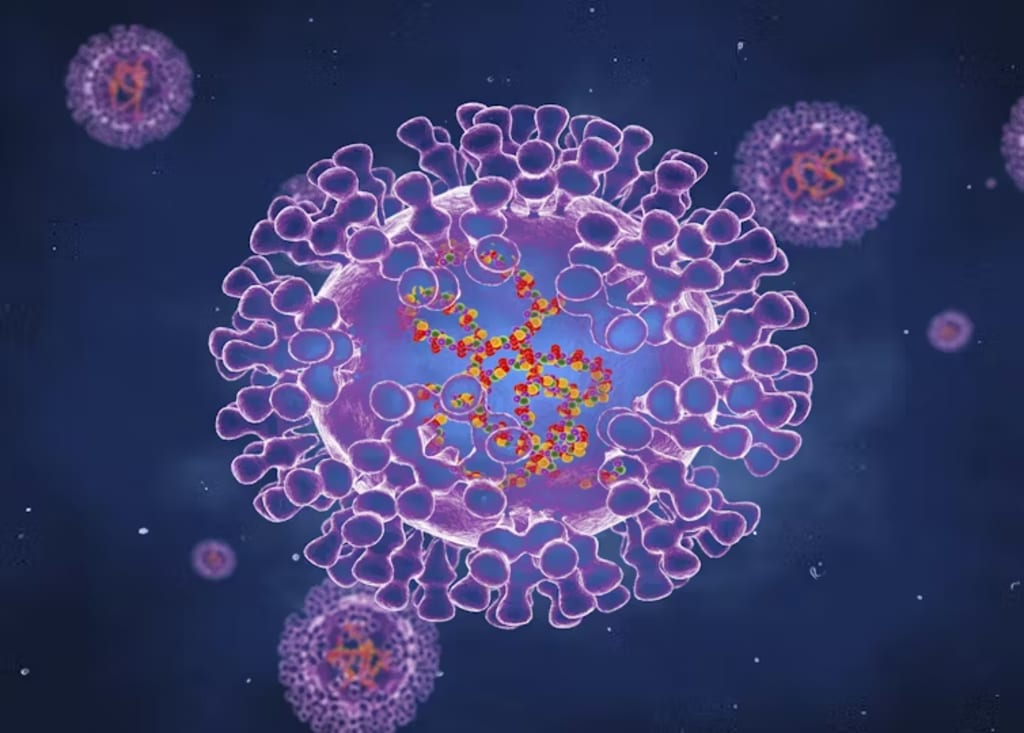
In a world still reeling from the effects of the COVID-19 pandemic, the declaration of another global health emergency by the World Health Organization (WHO) sends a ripple of concern through the international community. This time, the focus is on Mpox, a disease that has escalated to alarming levels, prompting the WHO to take decisive action. But what does this declaration mean? What happens next? This article delves into the implications of the WHO’s declaration, the steps that will follow, and what it means for the global population.
Understanding the WHO’s Declaration
When the WHO declares a global health emergency, it is not a decision made lightly. This declaration, officially known as a Public Health Emergency of International Concern (PHEIC), is the highest level of alert the WHO can issue. It signals that a particular health event poses a serious risk to public health, with the potential for international spread and the need for a coordinated global response.
The declaration of Mpox as a global health emergency reflects the severity of the situation. It is a wake-up call for countries to prioritize their responses, allocate resources, and work together to contain the spread of the disease. But what exactly led to this declaration, and what are the immediate actions that will follow?
The Factors Leading to the Declaration
Several factors contributed to the WHO’s decision to declare Mpox a global health emergency. First and foremost is the rapid increase in cases. Mpox, initially thought to be contained within certain regions, has seen a significant uptick in cases across multiple countries. The spread of the disease beyond its usual geographical boundaries raised alarm bells within the WHO and the global health community.
Moreover, the emergence of new strains of the virus, with potentially higher transmission rates and severity, has exacerbated the situation. These new variants could potentially outpace the current response strategies, leading to further outbreaks and complications.
Another critical factor is the lack of preparedness in many countries to deal with Mpox. Unlike diseases like COVID-19, which had already been studied extensively, Mpox is less understood, and many nations are unprepared for its rapid spread. This lack of preparedness could lead to overwhelmed healthcare systems, shortages of essential supplies, and increased mortality rates.
Finally, the WHO considers the potential socioeconomic impact of the disease when making such declarations. The spread of Mpox could disrupt economies, especially in low- and middle-income countries, where healthcare systems are already fragile. The declaration aims to mitigate these impacts by urging countries to act swiftly and decisively.
Immediate Global Actions
With the declaration of Mpox as a global health emergency, several immediate actions are set into motion. The WHO will work closely with governments, health organizations, and other stakeholders to coordinate a global response. This response will be multifaceted, involving increased surveillance, research, resource allocation, and public communication.
Enhanced Surveillance and Data Sharing: One of the first steps in managing a global health emergency is enhancing surveillance. Countries will be urged to strengthen their monitoring and reporting systems to track the spread of Mpox more effectively. Accurate and timely data is crucial for understanding the disease's trajectory and implementing appropriate interventions. The WHO will facilitate data sharing between countries to ensure a coordinated response.
Accelerated Research and Development: The declaration will likely spur accelerated research into Mpox, including the development of vaccines, treatments, and diagnostic tools. Pharmaceutical companies, research institutions, and governments will be encouraged to prioritize Mpox in their R&D efforts. The rapid development and deployment of effective vaccines and treatments could be pivotal in controlling the outbreak.
Resource Allocation and Support for Affected Regions: The WHO will work with international partners to ensure that resources are allocated where they are most needed. This includes providing financial support, medical supplies, and technical expertise to countries struggling to manage the outbreak. Special attention will be given to low-income countries, where healthcare systems are less equipped to handle such emergencies.
Public Communication and Education: Effective communication is critical in managing a global health emergency. The WHO and national governments will launch public information campaigns to educate people about Mpox, how it spreads, and the steps they can take to protect themselves. Misinformation and panic can worsen the situation, so clear and accurate communication will be a priority.
Travel and Trade Recommendations: In some cases, the WHO may issue travel and trade recommendations to prevent the international spread of Mpox. These recommendations could include travel advisories, screening measures at airports, and guidelines for international trade. While these measures can have economic consequences, they are sometimes necessary to contain the spread of the disease.
Long-Term Strategies and Preparations
While immediate actions are crucial, the WHO’s declaration also sets the stage for long-term strategies to manage and eventually eradicate Mpox. These strategies will involve strengthening global health systems, improving preparedness for future outbreaks, and addressing the root causes of the disease.
Strengthening Global Health Systems: One of the lessons learned from previous pandemics is the importance of robust health systems. The WHO will advocate for strengthening healthcare infrastructure, especially in vulnerable regions.
This surge is concerning because it indicates that the disease is not only spreading geographically but also infecting a broader segment of the population. Unlike earlier outbreaks, which were mostly confined to rural areas and were relatively easier to manage, the current spread of Mpox has reached urban centers and crossed international borders, making containment efforts more challenging.
Another key factor is the disease's mode of transmission. Mpox, caused by the Mpox virus, is primarily transmitted through close contact with an infected person, their bodily fluids, or contaminated materials like bedding. While traditionally associated with animal-to-human transmission, particularly from rodents, the current outbreak has seen increased human-to-human transmission. This shift in transmission dynamics has raised concerns about the virus's potential to spread widely, especially in densely populated areas.
Additionally, the limited availability of vaccines and effective treatments has compounded the problem. Unlike COVID-19, where multiple vaccines were developed in record time, the global supply of vaccines for Mpox remains scarce. This shortage has hampered efforts to protect at-risk populations, particularly healthcare workers and individuals in close contact with infected persons. Furthermore, the lack of widespread immunity means that large segments of the global population remain vulnerable to infection.
Immediate Global Response
In the wake of the WHO’s declaration, several immediate actions are expected to unfold. Firstly, countries around the world will likely intensify their surveillance and reporting efforts. Accurate data collection is crucial in understanding the spread of the disease, identifying hotspots, and implementing targeted interventions. Governments may also impose travel restrictions or advisories to prevent further international spread, especially from countries experiencing significant outbreaks.
Public health authorities will likely launch extensive awareness campaigns to educate the public about Mpox, its symptoms, and preventive measures. These campaigns will emphasize the importance of hygiene, safe handling of animals, and the need to seek medical attention at the first sign of symptoms. Given the potential for stigma associated with infectious diseases, efforts will also be made to combat misinformation and ensure that accurate information reaches all communities.
On the healthcare front, the declaration will likely spur accelerated research and development of vaccines and treatments. Pharmaceutical companies, in collaboration with governments and international organizations, may expedite clinical trials to test the efficacy of existing vaccines against Mpox or develop new ones. Additionally, treatment protocols will be refined based on emerging data, and healthcare systems will be bolstered to manage an influx of cases.
The Role of International Cooperation
A global health emergency like Mpox cannot be contained by any single country acting alone. International cooperation is essential, and the WHO’s declaration is a call for countries to work together in a coordinated response. This includes sharing data, resources, and expertise to strengthen the global response to the outbreak.
The WHO will play a central role in coordinating these efforts, providing technical guidance, and facilitating the distribution of vaccines and treatments to countries in need. International financial institutions may also step in to provide funding for response efforts, particularly in low- and middle-income countries that may lack the resources to mount an effective response on their own.
International cooperation also extends to research efforts. Scientists and researchers across the globe will collaborate on studying the virus, its transmission patterns, and potential mutations. This research will inform public health strategies and help in developing effective countermeasures.
Implications for Public Health Systems
The declaration of Mpox as a global health emergency has significant implications for public health systems worldwide. Countries will need to reassess their preparedness and response capabilities, particularly in light of the ongoing challenges posed by COVID-19. The dual burden of managing two global health emergencies simultaneously could strain healthcare systems, especially in regions with limited resources.
Public health systems will need to be agile, with the capacity to quickly pivot from routine operations to emergency response mode. This may involve redeploying healthcare workers, increasing hospital capacity, and ensuring that supply chains for essential medical supplies are robust and resilient.
There is also a need for ongoing training and capacity building for healthcare workers. Mpox may present with symptoms that are unfamiliar to many healthcare professionals, especially those outside of regions where the disease is endemic. Training programs will need to be implemented to ensure that healthcare workers can recognize and treat Mpox cases effectively.
Economic and Social Impact
The global health emergency declaration is not just a medical or public health issue; it also has significant economic and social implications. Countries affected by the outbreak may experience disruptions to their economies, particularly if strict containment measures, such as lockdowns or travel bans, are implemented. These disruptions could affect industries such as tourism, hospitality, and retail, which are still recovering from the impacts of COVID-19.
Moreover, the fear and uncertainty associated with a global health emergency can lead to social unrest or panic. Public trust in governments and health authorities may be tested, especially if the response is perceived as inadequate or slow. To mitigate these risks, governments will need to communicate transparently and effectively with their populations, providing clear guidance and updates on the situation.
The declaration may also prompt discussions around global health equity. The unequal distribution of resources, such as vaccines and medical supplies, has been a persistent issue in previous health emergencies. Ensuring that low- and middle-income countries have access to the necessary tools to combat Mpox will be crucial in preventing the outbreak from becoming a prolonged global crisis.
Potential Long-Term Consequences
The long-term consequences of the Mpox outbreak are difficult to predict, but there are several potential scenarios. If the virus continues to spread unchecked, it could become endemic in new regions, similar to how COVID-19 has become a persistent global presence. This would necessitate ongoing efforts to control the disease, including routine vaccination programs and public health interventions.
There is also the possibility that the Mpox outbreak could lead to a reevaluation of global health priorities. The COVID-19 pandemic highlighted gaps in global preparedness and response, and the Mpox outbreak could further underscore the need for stronger international health systems and infrastructure. This may lead to increased investments in global health security, research, and the development of new tools to combat emerging infectious diseases.
What Individuals Can Do
While governments and international organizations work to manage the Mpox outbreak, individuals also have a role to play in preventing the spread of the virus. Simple measures, such as practicing good hygiene, avoiding contact with sick animals, and seeking medical care if symptoms develop, can help reduce the risk of infection.
Staying informed is also crucial. Individuals should rely on credible sources of information, such as the WHO and national health authorities, to stay updated on the latest developments and recommendations. By following public health guidelines and cooperating with containment efforts, individuals can contribute to the global response to Mpox.
Conclusion
The WHO’s declaration of Mpox as a global health emergency is a critical juncture in the ongoing battle against this emerging disease. It signals the need for immediate and coordinated action to prevent the outbreak from escalating into a more severe global crisis. The road ahead will require collaboration, resilience, and a commitment to protecting public health on a global scale.
As the world grapples with the challenges posed by Mpox, the lessons learned from previous health emergencies, particularly the COVID-19 pandemic, will be invaluable. By acting swiftly and decisively, the global community can mitigate the impact of Mpox and safeguard the health and well-being of populations worldwide. The next steps will determine whether the outbreak can be contained or if it will become yet another enduring challenge in the landscape of global health.
About the Creator
increase
Infusing expertise into every word to empower you with the best choices. Unveiling hidden gems and top-notch products for your refined taste and better lifestyle. #QualityContent #InformedDecisions
The Girl Who Blinked: How a Sixteen-Year-Old Stopped a Massacre by Trusting the Knot in Her Stomach
The true story of Emily Carson, the Colorado high school student who prevented a school shooting by noticing a subtle detail and reporting it, highlighting the power of situational awareness.
By Frank Massey 4 days ago in Humans


Comments (2)
This is the second article on mpox today. Much severe.
Thanks for sharing