
When Your Neighbors Don’t Like You
How to Handle the Silent Tension

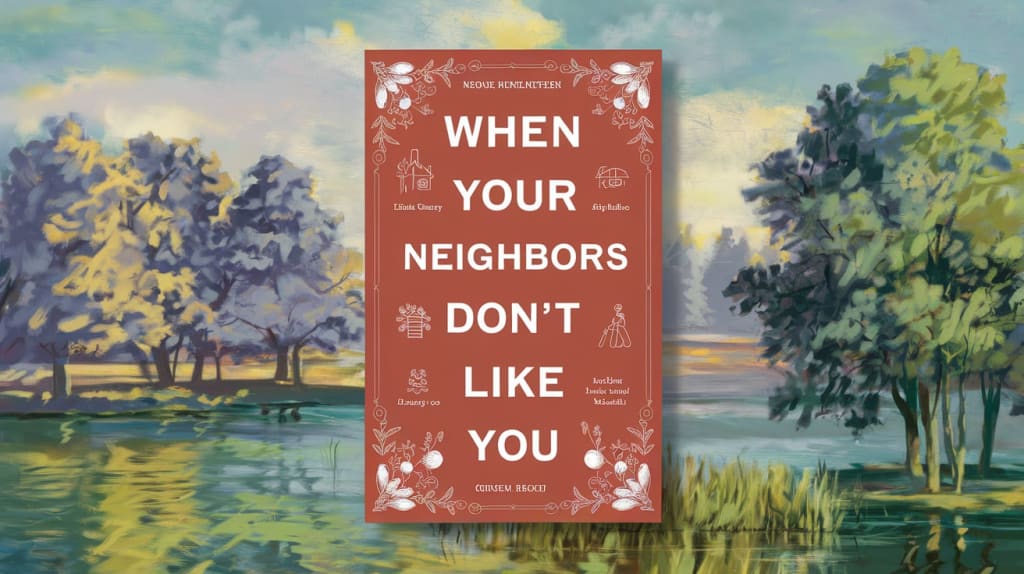
Imagine stepping outside your front door, only to be met with cold stares, forced smiles, or even complete silence from your neighbors. You wave, but they barely acknowledge you. Conversations stop when you walk by. There’s an invisible wall between you and the people who live just a few feet away.
Having a strained relationship with neighbors can make everyday life uncomfortable. Whether it’s due to misunderstandings, lifestyle differences, or simply bad first impressions, feeling unwelcome in your own neighborhood can be stressful. But what really happens when your neighbors don’t like you? And more importantly, what can you do about it?
Signs Your Neighbors May Not Like You
Not all neighborly tension is obvious, and sometimes it’s hard to tell if someone is just reserved or genuinely avoiding you. Here are some subtle (and not-so-subtle) signs that your neighbors may not be fond of you:
1. They Avoid Interaction
If your neighbors actively avoid eye contact, cut conversations short, or seem to disappear when you step outside, they may be trying to minimize interactions.
2. Cold or Forced Greetings
A warm neighborhood usually comes with friendly smiles and casual small talk. If your neighbors greet you with a stiff nod or avoid saying hello altogether, they may not feel comfortable around you.
3. Complaints About Noise or Property
Frequent complaints—whether about your lawn, parking, pets, or music—can signal underlying frustration. Some neighbors may use minor issues as an excuse to express their dislike.
4. Exclusion from Neighborhood Activities
If your street has community gatherings, WhatsApp groups, or block parties that you’re never invited to, this could be a sign of social exclusion.
5. Passive-Aggressive Behavior
You might notice small, indirect actions—like neighbors intentionally parking in your usual spot, placing trash bins too close to your driveway, or leaving notes instead of speaking to you directly.
Why Might Your Neighbors Dislike You?
If your neighbors don’t seem to like you, it’s natural to wonder why. Sometimes, it has little to do with you personally. Here are a few common reasons:
1. First Impressions Went Wrong
Perhaps you moved in and didn’t introduce yourself, or there was an accidental misunderstanding during an early interaction. First impressions stick, and some people take a while to warm up.
2. Lifestyle Differences
Conflicting schedules, noise levels, or even different cultural habits can create tension. For example, a quiet neighbor may find a social, party-loving neighbor disruptive—even if no rules are broken.
3. Previous Experiences with Past Residents
Your home’s previous owners or tenants may have had conflicts with the neighbors, and unfortunately, that negative history can sometimes be unfairly transferred to you.
4. Unintentional Offense
Something as simple as where you park, how you maintain your yard, or even having frequent guests over can unintentionally bother others.
5. Neighborhood Cliques
Some communities are tight-knit, making it difficult for newcomers to fit in. If your neighbors have known each other for years, you might feel like an outsider at first.
The Impact of Living in a Tense Neighborhood
Living in a place where you feel unwelcome can affect your daily life in unexpected ways:
Increased Stress: A cold atmosphere can make simple activities, like walking outside or checking your mail, feel uncomfortable.
Less Community Support: In emergencies, neighbors who don’t like you may be less willing to help.
Property Disputes: Unfriendly neighbors are more likely to report you for minor issues or create conflicts over shared spaces.
Isolation: Feeling excluded from social events can make you feel lonely, especially if you work from home or have few other social connections nearby.
What Can You Do About It?
If you sense tension with your neighbors, here are some ways to improve the situation:
1. Be Friendly and Approachable
Even if the energy feels cold, continue being polite. Smile, say hello, and engage in small talk when possible. Over time, consistent friendliness can break down walls.
2. Find Common Ground
If you have pets, kids, or shared interests, use them as conversation starters. Complimenting their garden, discussing the weather, or asking for local recommendations can help build connections.
3. Address Issues Calmly
If a specific problem has caused tension, try resolving it directly. A friendly chat can clear up misunderstandings better than passive-aggressive actions or complaints.
4. Join Community Activities
If your neighborhood has meetings, clean-ups, or events, participating can help show your interest in being part of the community.
5. Give It Time
Some people take longer to warm up. If your neighbors are naturally reserved, they may just need time to get used to you.
6. Respect Boundaries
While friendliness is key, don’t force relationships. If certain neighbors prefer minimal interaction, respect their space.
7. Make Peace, Not Drama
If all else fails, keep interactions neutral and avoid unnecessary conflict. Not everyone will like each other, and that’s okay—what matters is maintaining a peaceful coexistence.
When to Accept and Move On
If efforts to improve the relationship don’t work, or if neighbors remain cold despite your kindness, it’s best to accept the situation and focus on the people who do bring positivity into your life. As long as there’s no hostility or major conflicts, it’s okay to live peacefully without being best friends with your neighbors.
Final Thoughts
Not getting along with neighbors can be frustrating, but it’s not the end of the world. A little patience, friendliness, and mutual respect can go a long way. If nothing changes, remember that your home should be a place of peace—and sometimes, that just means keeping a respectful distance.
Would you rather have friendly neighbors, or do you prefer keeping to yourself? Let’s discuss in the comments!
About the Creator
Author kelechi
Discover insightful content that blends expertise with fresh perspectives. Whether you're seeking in-depth analysis or practical advice, our page offers valuable information tailored to your interests. Dive in and stay informed.
Keep reading
More stories from Author kelechi and writers in Humans and other communities.
Africa Is Not My Place
Africa Is Not My Place Africa, often romanticized as the cradle of civilization and a land of rich culture, breathtaking landscapes, and immense resources, is also a continent that has, for centuries, been plagued by problems that drive its people away in search of better lives. While patriotism may blind some to the harsh realities, the truth remains—many Africans feel that their homeland offers them little to no opportunity for growth, safety, or prosperity.
By Author kelechiabout a year ago in Humans
Problem-Solving Methods To Cultivate Trust And Emotional Safety
Any healthy relationship should be based on trust and emotional safety. Trust enables partners to be ready to trust each other in the reliability, honesty and intentions, whereas emotional safety helps people to express the feelings and their weaknesses without being afraid of the judgments and reject. The absence of these factors may result in conflict, distance, and insecurity by the couples. The first step towards having a closer, stronger partnership is realizing the value of trust and safety. Couples that value these attributes will be able to cope more easily and have a more emotional bond.
By Willian James6 days ago in Humans



Comments
There are no comments for this story
Be the first to respond and start the conversation.