
When Advice Felt Like Arrows: A Story of Dignity in Hard Times
Finding Strength in Words That Wound

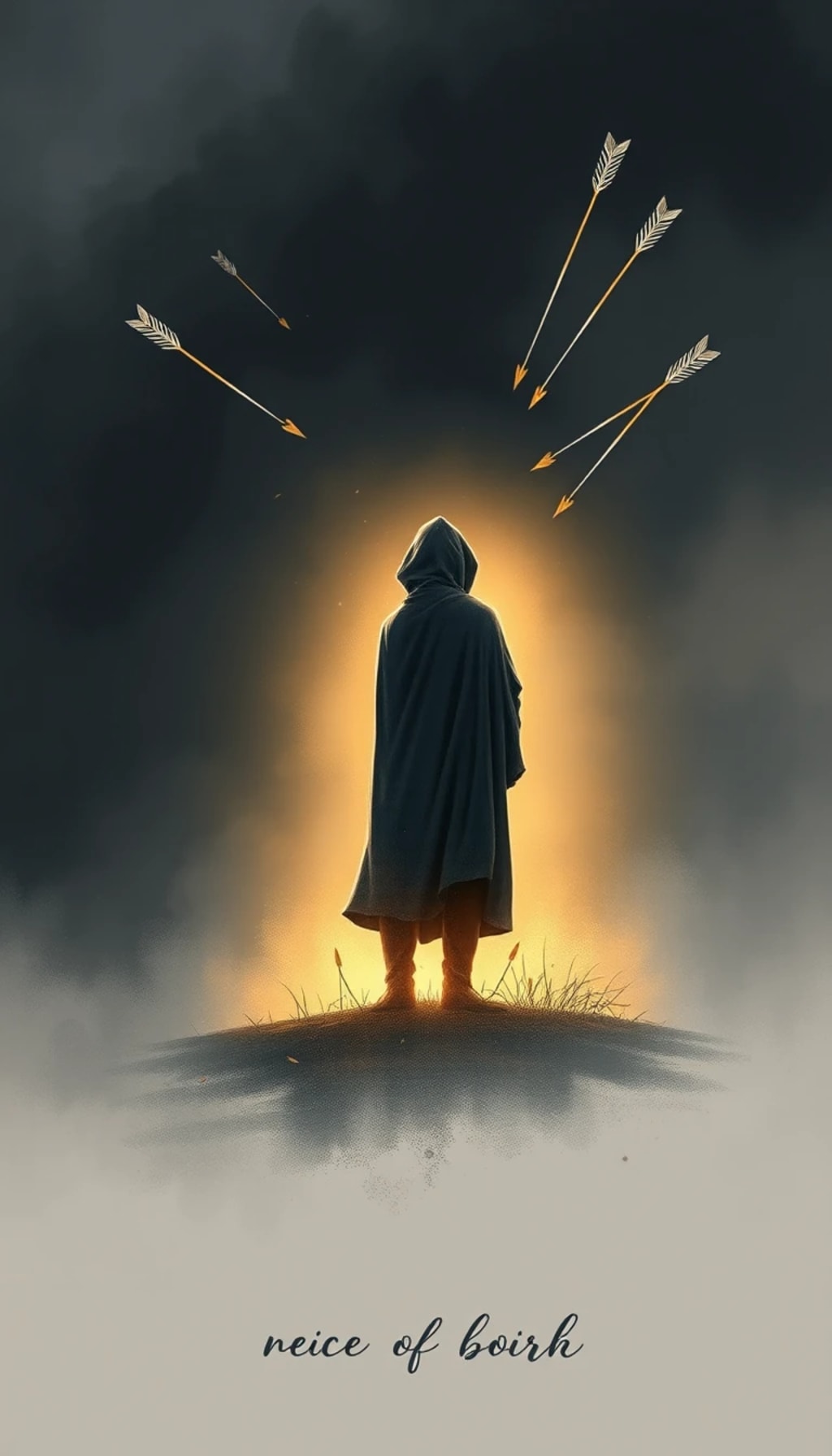
Introduction: When Words Wound Instead of Heal
It started with a well-meaning text from a friend: “You just need to stay positive. Everything happens for a reason.” I stared at the screen, exhausted, eyes swollen from a night of crying, and wondered—how can something meant to comfort feel so piercing?
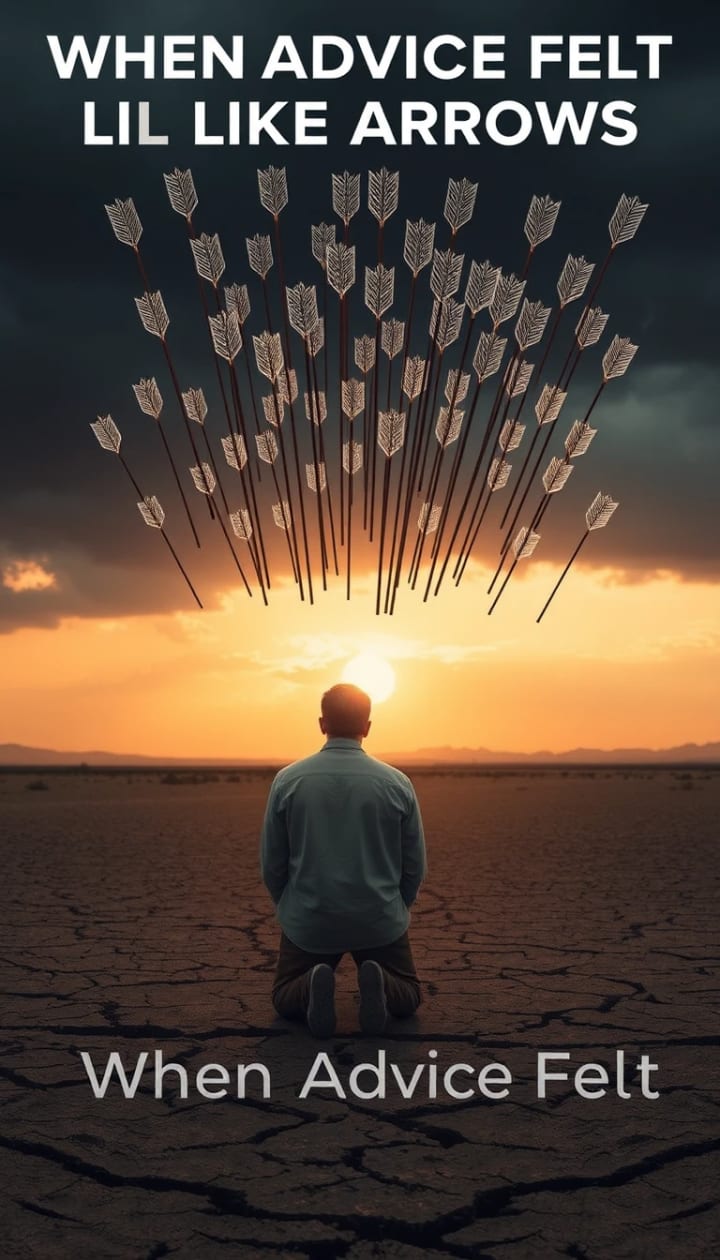
We’ve all been there. In the middle of personal chaos—grief, loss, burnout, heartbreak—someone offers advice that, instead of soothing us, feels like a dismissal of our pain. That’s when advice starts to feel like arrows: sharp, unexpected, and hard to dodge. This is a story not just about hardship, but about finding emotional resilience and maintaining dignity in hard times.
Act I: The Struggle – When Life Unravels
I lost my job during the peak of a recession. It wasn’t just a paycheck I lost—it was a part of my identity. For months, I sent out resumes like lifelines into the void, each one unanswered. The silence wasn’t just from employers—it echoed in friendships too. People didn’t know how to respond to someone who was unraveling.
Then came the loneliness. Days bled into nights, and my internal monologue grew louder: You’re a failure. You should have planned better. Everyone else is doing fine—why aren’t you?
This is the unseen side of hardship—when the external losses start bleeding into your sense of self-worth. My mental strength was tested daily. Every rejection email chipped away at my confidence. Every cheerful social media post from friends felt like another reminder of how far I had fallen behind.
I wasn’t just struggling with unemployment; I was grappling with shame, fear, and the terrifying question: What if I never bounce back?
Act II: The Arrows of Advice – When Help Hurts
That’s when the advice started rolling in.
“Why don’t you just take any job for now?”
“You should try freelancing. Everyone’s doing it.”
“Maybe you’re being too picky.”
“At least you don’t have kids to worry about.”

Each comment, wrapped in concern, felt like a subtle accusation. I began to realize that coping with unsolicited advice was becoming harder than coping with my actual problem.
People weren’t trying to be cruel—they were trying to help. But help, when given without understanding, can wound more than it heals. Their words didn’t acknowledge my struggle; they bypassed it. Rather than listening, they were prescribing. Rather than sitting with me in discomfort, they were trying to fix me.
It’s a societal reflex: we’re uncomfortable with pain that can’t be immediately solved. We rush to bandage things with advice because silence feels awkward. But when you’re in the middle of personal collapse, dignity in hard times comes not from being told what to do—it comes from being seen, heard, and accepted as you are.
Every piece of advice felt like an arrow, shot with good intentions but hitting soft, exposed places I was trying so hard to protect.
Act III: Rising with Dignity – The Quiet Power of Self-Trust
It took time, but I began to shift my perspective. I started therapy—not to be “fixed,” but to unpack what I was carrying. I journaled my thoughts without editing them for anyone else’s comfort. I slowly started saying “thank you” and letting advice pass through me, instead of piercing me.
I learned to set boundaries—gently, but firmly.
When someone offered advice that didn’t sit right, I would say:
“Thank you. I appreciate you caring. Right now, I just need someone to listen.”
That sentence became a shield. It allowed me to preserve the relationship while protecting my dignity. I started to understand that staying strong when misunderstood doesn't mean defending your choices to everyone. It means quietly trusting your process—even if no one else gets it.
There’s a kind of strength that doesn’t roar. It doesn’t come from proving people wrong. It comes from holding your head high, even when your world is upside down. It’s the strength to say, “This is hard, and I don’t have the answers yet—but I will find my way.”
That’s emotional resilience. It’s not the absence of emotion—it’s the ability to sit with discomfort without letting it define you. It’s realizing that your worth isn’t dependent on other people’s timelines, solutions, or understanding.
I started to rebuild—not just my career, but my sense of self. Not from advice, but from stillness. From paying attention to my own voice again. That’s when the arrows stopped hurting. They still came, but they no longer found a vulnerable target.
Conclusion: The Power of Dignified Silence
Not every battle needs a sword. Sometimes, the most courageous thing you can do is stay soft in a world that wants you to toughen up. Dignity during hardship isn’t about winning. It’s about staying true to yourself when everything is trying to change you.
Sometimes, the most powerful response is silence, dignity, and self-trust.
So, the next time someone shares their struggle, try not to offer a solution. Offer your presence. And if you’re the one struggling, know this: you don’t need to explain yourself. Your pain is valid. Your quiet resilience is enough.
And that’s a story worth telling.

🔍 SEO Summary Recap (for indexing purposes):
This article explores the deeply personal experience of navigating difficult times while receiving unsolicited advice. It emphasizes emotional resilience, mental strength in difficult times, and personal growth through hardship. Through storytelling and reflection, it helps readers understand how to handle advice during struggles and preserve their dignity in hard times.
About the Creator
Shamshair Khan Hasan Zai
I share content on health, business, travel, motivation, and simple ways to earn money—focused on hope growth, and practical advice to help you live a better, more successful life.
Keep reading
More stories from Shamshair Khan Hasan Zai and writers in Humans and other communities.
"Technology and Privacy: The Issue of Data Security"
Technology and Privacy: The Issue of Data Security In today’s interconnected world, the rapid advancement of technology has dramatically transformed the way we live, work, and communicate. However, this digital evolution has also given rise to a pressing concern—data security. The protection of personal information is increasingly critical as more and more aspects of our lives are conducted online. As technology continues to evolve, so too do the risks to privacy, with threats such as cybersecurity risks, data breaches, and hacking incidents becoming more prevalent. This article explores the complex relationship between technology, privacy, and the pressing issue of data security. It delves into the challenges posed by emerging technologies such as artificial intelligence (AI) and the Internet of Things (IoT), as well as the legal frameworks that are working to safeguard personal information. Finally, it takes a forward-looking view on the future of data privacy, examining the roles and responsibilities of individuals, corporations, and governments in securing the privacy of the digital age.
By Shamshair Khan Hasan Zai10 months ago in Humans
Fantasy Exploration Between Couples Increases Communication Emotional Safety And Pleasure
Fantasy exploration is where the partners are free to talk about and when they are comfortable enough then they are free to experiment with fantasy about what they desire to see or hear. It goes beyond physical intimacy- symbolizing emotional openness, curiosity and vulnerability. Sharing fantasies, couples understand the preferences, limits, inner world of each other. Such reciprocity creates a sense of trust and further bonding.
By Robert Smith6 days ago in Humans
A System That Isn’t Working Challenge Winners
Systems promise order. They organize behavior, distribute opportunity, and suggest that if everyone follows the rules, things will work. The entries in A System That Isn’t Working look closely at what happens when that promise begins to slip.
By Vocal Curation Team5 days ago in Resources



Comments
There are no comments for this story
Be the first to respond and start the conversation.