
What Your Body Is Trying to Tell You While You Sleep.
Understanding the quiet signs your body gives you during the night — and how to respond with care.

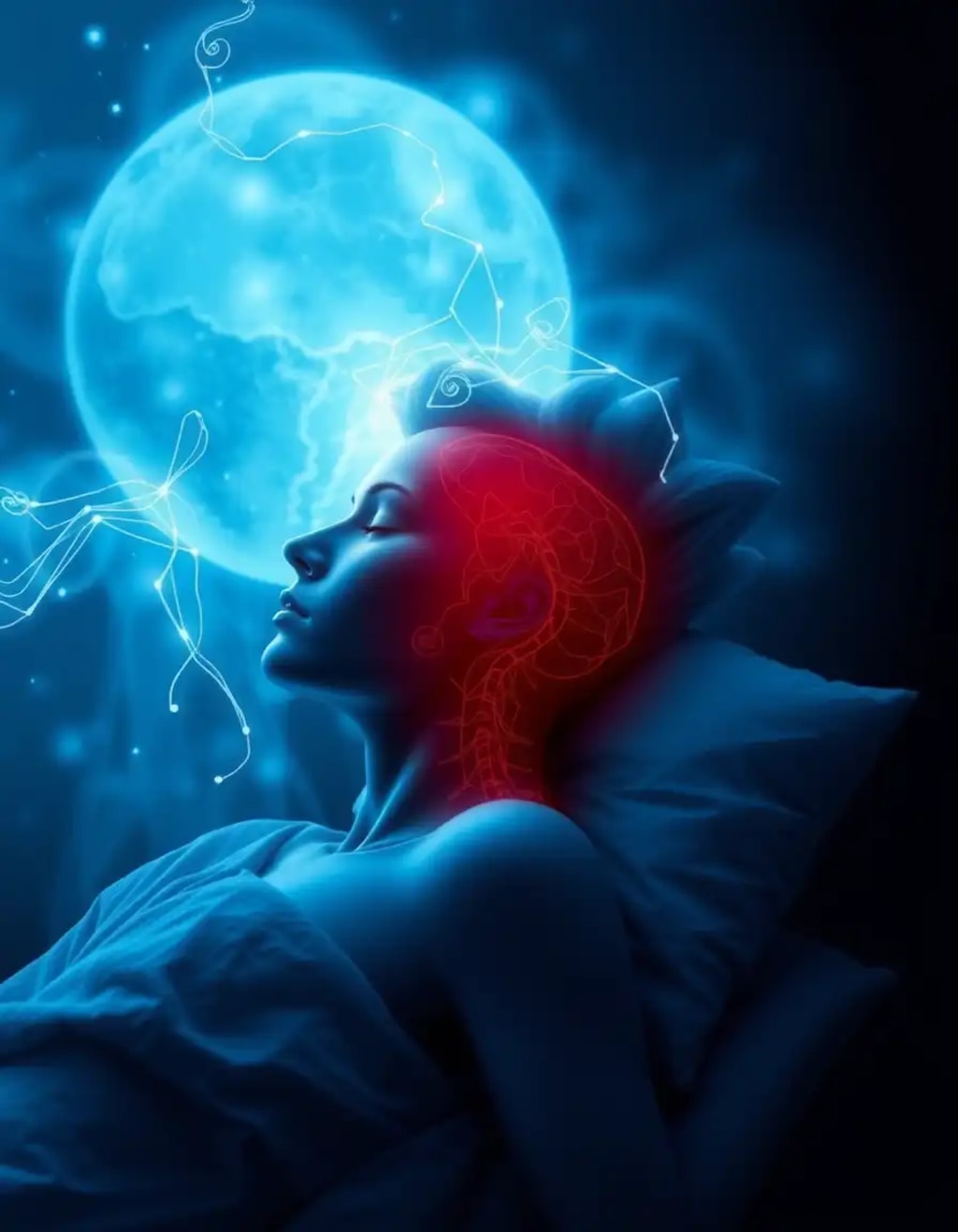
Most people believe that once they fall asleep, their body shuts down.
But in truth, your body does its deepest healing during sleep — balancing hormones, repairing tissues, restoring the brain, and detoxifying organs. So if you often wake up tired, restless, or with unusual night symptoms, your body may be whispering that something’s not quite right.
Let’s gently explore what your body might be trying to tell you while you sleep — and how to listen and respond with kindness.
🌙 1. You Wake Up Around the Same Time Every Night
If you regularly wake up at 2:00 or 3:00 AM, it’s not just “bad sleep.” Traditional Chinese medicine and new research both suggest that different organs are more active at different night hours.
- 1:00–3:00 AM: Often linked to liver detox. If you’ve had alcohol, heavy meals, or chronic stress, the liver might be overworking at this time.
- 3:00–5:00 AM: Linked to lungs and grief or sadness. Some people with asthma or anxiety may also wake during this window.
💡 Try this: Avoid heavy meals late at night, reduce sugar/alcohol, and create a relaxing sleep ritual. Add deep breathing or light herbal tea before bed.
😬 2. You Grind Your Teeth or Clench Your Jaw in Sleep
This can be a sign of:
- Unexpressed stress or worry
- Magnesium deficiency (common in stressed people)
- Poor sleep posture or nerve tension
Teeth grinding (bruxism) may also lead to morning headaches, sore jaw, or neck pain.
💡 Try this:
- Take magnesium-rich foods (like leafy greens, almonds, or bananas)
- Stretch your neck/shoulders before bed
- Place a warm towel on your jaw to relax muscles
- Practice “letting go” with a calming thought or prayer
💦 3. You Sweat a Lot During the Night
Night sweats aren’t always due to a warm room or thick blanket. They may signal:
- Blood sugar drops (especially in people who eat late or skip dinner)
- Hormonal changes, especially in women (perimenopause or thyroid)
- Infections or low-grade inflammation
💡 Try this:
- Eat a light, balanced dinner (protein + vegetables)
- Avoid spicy or sugary foods late
- Get tested for thyroid or blood sugar if this happens often
🌪️ 4. You Toss, Turn, or Wake Up Restless
Restlessness at night may be caused by:
- Overthinking or anxiety
- Too much screen time or stimulation before bed
- Caffeine after 4:00 PM
- Vitamin D or magnesium deficiency
💡 Try this:
Create a screen-free zone 1 hour before sleep
Write your worries in a notebook to “release” them
Expose yourself to morning sunlight — this improves melatonin rhythm at night
🍭 5. You Wake Up Hungry or with a Headache
If you wake up shaky, hungry, or with a dull headache, it may mean:
- Blood sugar imbalances during the night
- Skipped meals or poor nutrition during the day
- Low hydration
💡 Try this:
- Don’t skip dinner — but keep it light and nourishing
- Stay hydrated during the day, not just at night
- Add a few soaked almonds or a date before bed if needed
👁️ 6. You Dream Vividly or Have Nightmares
Vivid dreams or nightmares can feel exhausting. They may be signs of:
- Sleep disruptions or light sleep
- Emotional stress or unresolved grief
- High sugar or heavy meals before bed
- Certain medications or withdrawal symptoms
💡 Try this:
- Avoid eating 2–3 hours before bed
- Limit sugar and caffeine
- Process emotions gently through writing, talking, or spiritual reflection
💬 Sleep Is Not Just Rest — It's a Conversation
Your body is not silent at night. It speaks through your breath, your stillness, your temperature, your heartbeat, and your dreams. If you’re waking up with pain, anxiety, or strange feelings — it doesn’t mean something is wrong with you.
It means your body needs attention, softness, and balance.
You don’t need to fix everything overnight. Start with one gentle habit:
- A warm shower before bed
- One less scroll on your phone
- A little less sugar
- A little more sunlight
- A short prayer or breath
Bit by bit, your nights will feel safe again. And your body will say, “Thank you.”
Thank you so much for reading.
If you enjoyed this piece or found it helpful, I’d love to hear your thoughts in the comments. Please feel free to subscribe or follow for more health stories and gentle tips. 💬✨
About the Creator
DR. Allama iqbal
Pharmacist with 6 years of experience, passionate about writing. I share real-life stories, health tips, and thoughtful articles that aim to inspire, inform, and connect with readers from all walks of life.
Keep reading
More stories from DR. Allama iqbal and writers in Humans and other communities.
☀️ Your Morning Tells the Truth About Your Health.
We often ask people how their day was. But maybe a better question is: “How did your morning feel?” The first hour after you wake up is like a mirror. It reflects your internal health, energy, sleep quality, and even emotional state. You may not notice it, but your body gives quiet clues each morning — about how it’s truly doing inside. Let’s gently explore what your morning might be trying to tell you.
By DR. Allama iqbal7 months ago in Humans




Comments
There are no comments for this story
Be the first to respond and start the conversation.