
What Your Archetype Says About Your Soul’s Purpose (and How to Evolve It)
Read the article to learn more

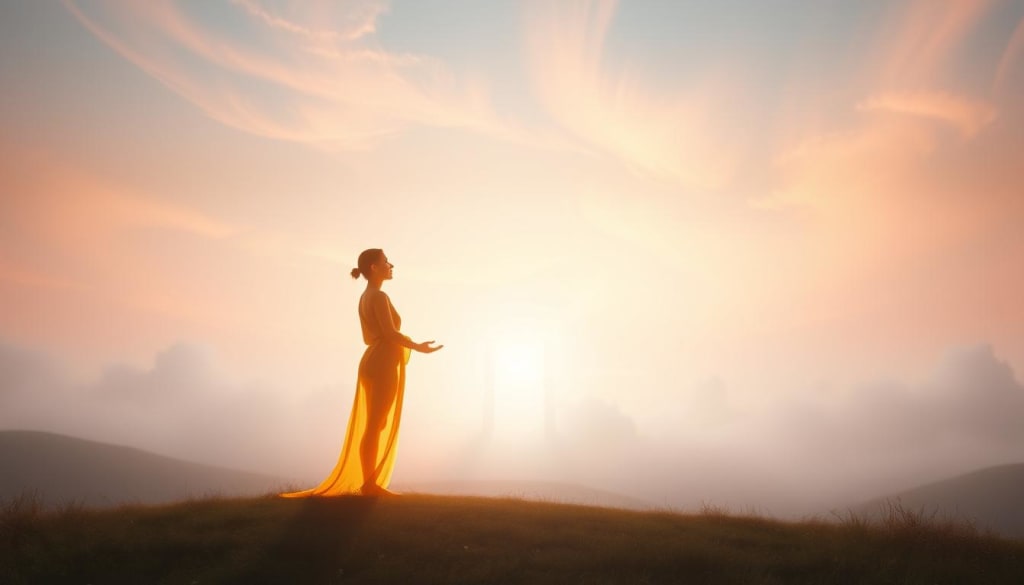
Have you ever wondered why certain patterns keep showing up in your life? What if these patterns hold the key to your soul’s purpose? I discovered this truth when I first explored my own archetype through Tarot. It was a moment of clarity that changed how I see myself and my journey.
Archetypes are like mirrors reflecting our deepest selves. They help us understand our strengths, challenges, and the lessons we’re here to learn. Whether it’s The Star, The High Priestess, or The Empress, each archetype carries a unique message for growth.
In this article, we’ll dive into Jungian theory and practical steps to evolve your archetype. You’ll also see how this knowledge applies to leadership, creativity, and everyday life. Ready to get the word on your soul’s purpose? Let’s begin.
What is an Archetype?
Why do some characters feel familiar, no matter where they’re from? This sense of recognition comes from archetypes, universal patterns that connect us across time and culture. These timeless ideas help us understand ourselves and the world around us.
Defining the Concept
According to Merriam-Webster, an archetype is an original pattern model or a perfect example of something. The word itself comes from Greek: archein means "original," and typos means "pattern." Together, they describe a blueprint that repeats in stories, art, and even our lives.
Carl Jung, a pioneer in psychology, described archetypes as patterns connecting people across time and culture. He believed these ideas are embedded in our collective unconscious, shaping how we see the world.
Historical Roots of Archetypes
Archetypes aren’t new. They’ve been around since ancient times. Think of cave paintings or myths from different cultures. These stories often feature similar characters and themes, like the hero or the wise mentor.
Bong Joon-Ho, the director of Parasite, once said, "Once you overcome the one-inch-tall barrier of subtitles, you will be introduced to so many more amazing films." This quote highlights how archetypes create a universal language in storytelling.
It’s important to note that archetypes are not stereotypes. While stereotypes oversimplify and label, archetypes represent deeper truths about human nature. They reflect our shared experiences and emotions, making them relatable across cultures.
The Connection Between Archetypes and the Soul’s Purpose
What if the stories we tell ourselves reveal our deepest truths? Archetypes are more than just patterns; they’re mirrors reflecting our soul’s purpose. They show us the roles we’re meant to play and the lessons we’re here to learn.
How Archetypes Reflect Inner Truths
Think of Cinderella’s transformation. It’s not just a fairy tale; it’s a metaphor for growth. Her journey from hardship to empowerment mirrors our own potential for change. Archetypes like the Hero or the Wise Mentor remind us of the inner truths we often overlook.
Joseph Campbell’s "Hero’s Journey" is a perfect example. It’s a blueprint for personal evolution, showing how we can embrace challenges and emerge stronger. These patterns aren’t just in stories; they’re in our lives, guiding us toward our purpose.
The Role of Archetypes in Personal Growth
Archetypes help us distinguish between temporary goals and lasting callings. For instance, my Hero archetype shaped my career choices, pushing me to take risks and pursue my passions. It’s not about fitting into a mold; it’s about understanding the concept of who we are and who we can become.
Here’s a journaling prompt to explore your own archetype:
"What role do I feel drawn to in my life, and how does it reflect my soul’s purpose?"
This simple question can unlock profound insights.
Archetypes connect us to the world and to ourselves. They’re not just abstract ideas; they’re tools for transformation. By embracing them, we can align with our true path and evolve into our best selves.
Carl Jung and the Theory of Archetypes
What drives the patterns that shape our lives? Carl Jung, a pioneer in psychology, believed these patterns are rooted in universal ideas he called archetypes. His work transformed how we understand the human psyche, offering a model for exploring our inner world.
https://www.youtube.com/watch?v=-iGZkqRdAGk
Jung’s Contribution to Psychology
Jung’s theories were shaped by his own experiences. After a near-death episode, he began exploring the unconscious mind. This led to his groundbreaking ideas about archetypes as representations of shared human experiences. He saw them as a bridge between the personal and collective unconscious.
One of his most famous concepts is the Shadow, the hidden part of ourselves we often reject. Think of Darth Vader from Star Wars—a perfect example of the Shadow’s power when left unacknowledged. Jung believed confronting our Shadow is key to personal growth.
Key Archetypes Identified by Jung
Jung identified four main archetypes that shape our behavior: the Self, the Persona, the Shadow, and the Anima/Animus. The Anima represents feminine qualities in men, while the Animus embodies masculine traits in women. In modern relationships, understanding these can foster deeper connections.
Beyond these, Jung explored lesser-known archetypes like the Trickster and the Divine Child. The Trickster challenges norms, while the Divine Child symbolizes innocence and potential. Recognizing these in ourselves can unlock new paths for growth.
For me, embracing my Caregiver archetype was transformative. Initially, I resisted it, fearing it would limit me. But understanding its role helped me align with my true purpose. Jung’s work reminds us that archetypes aren’t labels—they’re tools for self-discovery.
Understanding Your Personal Archetype
Have you ever felt a deep connection to a specific role or personality type? These roles often reflect your dominant traits, offering clues to your true self. Identifying them can be a powerful step toward personal growth and alignment with your purpose.
Identifying Your Dominant Archetype
One of the best ways to uncover your dominant traits is through self-assessment tools. I once took an Archetype Quiz that revealed my Caregiver tendencies. It was eye-opening to see how this type influenced my decisions and relationships.
Comparing Myers-Briggs assessments to archetypal evaluations can also be insightful. While Myers-Briggs focuses on personality traits, archetypes dive deeper into the roles we naturally embody. Both tools offer valuable perspectives, but archetypes often feel more aligned with our soul’s purpose.
Tools for Self-Discovery
Here are some practical methods to explore your dominant traits:
Movie Character Alignment: Think of characters you relate to. For instance, jazz musicians often embody the Artist archetype, as highlighted in an MSNBC feature. This exercise can reveal patterns in your own life.
Daily Decision Tracking: Keep a journal of your choices. Over time, you’ll notice recurring themes that point to your dominant traits.
Book Recommendations: Dive into resources like Sacred Contracts by Caroline Myss or The Hero Within by Carol S. Pearson. These books offer profound insights into archetypal patterns.
"Understanding your archetype is like finding the missing piece of a puzzle. It brings clarity to your journey."
By exploring these tools, you can solve words that describe your true self. It’s a journey of discovery that helps you get word day by day about who you are and who you’re meant to become.
Archetypes Across Time and Culture
From ancient myths to modern blockbusters, certain patterns in storytelling feel timeless. These universal ideas connect us, no matter where or when we live. They show up in tales from every corner of the world, reflecting shared human experiences.
Universal Patterns in Stories
Take Gilgamesh, the first hero in recorded history. His journey from arrogance to wisdom mirrors the struggles we all face. Centuries later, Marvel’s Thor follows a similar path. Both characters remind us that growth often comes through hardship.
Disney princesses also reflect cultural archetypes. Snow White embodies innocence, while Mulan represents courage. These roles adapt to fit the values of their time, showing how archetypes evolve while staying true to their core.
Examples from Literature and Film
K-dramas and Western rom-coms offer fascinating contrasts. While Western stories often focus on individual love, K-dramas emphasize family and societal roles. Both explore the same themes but through different cultural lenses.
Indigenous Australian Dreamtime stories introduce archetypes tied to nature and spirituality. These tales teach respect for the land and the interconnectedness of all life.
Modern film like *Parasite* uses archetypes to critique class structures. The Kim family and the Parks represent universal struggles, making the story relatable across cultures.
"Stories are the way we make sense of the world. Archetypes are the threads that weave them together."
These examples show how archetypes transcend time and place. They remind us that, despite our differences, we’re all part of the same human story.
The Hero Archetype
What makes a hero in today’s world different from the legends of old? The hero archetype has always been about courage, sacrifice, and triumph. But in modern times, it’s evolved to reflect our complex realities. From traditional legends to antiheroes, the essence of heroism remains, but its expression has changed.
Characteristics of the Hero
Traditionally, heroes are defined by bravery, selflessness, and a sense of justice. They often embark on a journey, facing challenges to achieve a greater good. This pattern is universal, from ancient myths to today’s stories. However, modern heroes often blur these lines, adding layers of complexity.
Take Walter White from Breaking Bad as an example. He starts as a sympathetic character but evolves into an antihero. His journey challenges the traditional hero mold, showing how gray areas can redefine heroism.
The Hero’s Journey in Modern Contexts
In my corporate career, I saw how the hero archetype played out. I often took on challenges to "save the day," but this led to burnout. It’s easy to over-identify with hero energy, thinking you must always be the one to fix things. Recognizing this was a turning point for me.
Shows like Ted Lasso offer a fresh take on heroism. Ted isn’t a traditional hero; he’s a mentor who inspires through kindness and vulnerability. His journey shows that heroism isn’t about perfection but about growth and connection.
Here are five signs you might be over-identifying with hero energy:
You feel responsible for solving everyone’s problems.
You neglect your own needs to help others.
You struggle to delegate tasks.
You feel guilty when things go wrong.
You’re constantly exhausted but push through anyway.
"Heroism isn’t about being perfect; it’s about evolving, one step at a time."
Overcoming "hero burnout" requires recognizing these patterns. It’s about balancing your desire to help with self-care. Like a flower, personal growth needs the right conditions to thrive. By evolving your hero energy, you can align with your true purpose without losing yourself.
The Wise Old Man Archetype
What if wisdom isn’t tied to age but to experience and insight? The Wise Old Man archetype embodies this idea, representing a mentor or guide who offers profound knowledge. This role isn’t limited by years; it’s about the depth of understanding and the ability to share it.
Traits of the Wise Old Man
This archetype is often characterized by patience, clarity, and a deep connection to universal truths. Think of Gandalf from The Lord of the Rings or Yoda from Star Wars. Both characters exemplify the Wise Old Man’s ability to guide others through challenges, offering wisdom without imposing their will.
Interestingly, this type of wisdom isn’t exclusive to older individuals. MSNBC once highlighted Duke Ellington’s collaborators, who, regardless of age, brought a level of insight that shaped jazz history. This shows that wisdom transcends age, rooted instead in experience and perspective.
Examples in Mythology and Media
In Greek mythology, Tiresias stands out as a gender-fluid example of this archetype. Blind yet all-seeing, Tiresias offers guidance to heroes like Odysseus, proving that wisdom isn’t bound by physical limitations or societal norms.
Modern media also reflects this archetype in unexpected ways. Tech leaders like Satya Nadella and Sheryl Sandberg embody traits of the Wise Old Man—visionary thinking, mentorship, and the ability to inspire. These qualities show how the archetype evolves to fit contemporary contexts.
Here are three unexpected traits of the Wise Old Man in today’s world:
Adaptability: Embracing change while staying grounded in core values.
Empathy: Understanding others’ perspectives to guide effectively.
Humility: Recognizing that wisdom is a lifelong journey, not a destination.
"Wisdom isn’t about knowing all the answers; it’s about asking the right questions."
By recognizing these traits in ourselves, we can embody the Wise Old Man archetype, regardless of age. It’s a reminder that wisdom is a gift we can all cultivate and share.
The Star Archetype
What does it mean to shine in a world that often dims our light? The Star archetype embodies both the allure of the spotlight and the challenges that come with it. It’s about embracing your unique brilliance while navigating the pressures of visibility.
Forbes once highlighted how the Star archetype is used in event theming, creating experiences that captivate and inspire. This example shows how the Star’s energy can transform ordinary moments into something extraordinary.
What Makes the Star Unique
The Star archetype is magnetic, drawing people in with its charisma and creativity. Think of Lady Gaga, whose evolution from pop icon to multifaceted artist reflects the depth of this archetype. She’s not just a performer; she’s a storyteller who uses her platform to inspire change.
However, the Star’s shadow side can be overwhelming. I experienced this firsthand when I overcommitted to projects, seeking validation but ending up burned out. It’s a reminder that even the brightest stars need to recharge.
The Star’s Role in Personal Evolution
Social media has amplified the Star archetype, but it’s also distorted its energy. The constant need for likes and followers can overshadow authenticity. It’s important to balance visibility with self-care.
Comparing Elvis Presley and Beyoncé offers fascinating insights. Elvis embodied the raw, untamed energy of the Star, while Beyoncé represents its disciplined, visionary side. Both are iconic, but their expressions of the archetype differ.
Here are three grounding techniques for Star-dominant people:
Set Boundaries: Learn to say no to protect your energy.
Practice Gratitude: Focus on the things that truly matter.
Disconnect Regularly: Step away from the spotlight to reconnect with yourself.
"Shining brightly doesn’t mean burning out. True stars know how to balance light and rest."
By understanding the Star archetype, we can use its energy to illuminate our path without losing ourselves in the process. It’s about finding the words and actions that align with our true essence.
The High Priestess Archetype
What if your intuition holds the key to unlocking your deepest potential? The High Priestess archetype embodies this idea, representing the bridge between the seen and unseen. She’s a symbol of inner wisdom, intuition, and the mysteries of life. Whether in Tarot or everyday life, this archetype invites us to trust our instincts and explore the unknown.
Understanding the High Priestess
The High Priestess is often depicted as a keeper of secrets and a guide to hidden truths. In Tarot, she sits between two pillars, symbolizing balance and duality. This archetype reminds us that not everything can be explained by logic alone. Sometimes, the answers lie in our intuition and inner knowing.
Forbes once highlighted how this archetype is used in event theming, creating experiences that inspire curiosity and introspection. This shows how the High Priestess’s energy can transform ordinary moments into profound insights.
How This Archetype Influences Decision-Making
In my career, I’ve seen how blending intuition with logic leads to better decisions. A female tech CEO I interviewed shared how she uses Priestess energy to navigate complex challenges. She trusts her gut while analyzing data, creating a balanced approach to leadership.
Grimes’ music is another modern expression of this archetype. Her ethereal soundscapes and cryptic lyrics invite listeners to explore their own inner worlds. It’s a reminder that the High Priestess isn’t just about receiving wisdom—it’s about sharing it in ways that inspire others.
However, the shadow side of this archetype can manifest as information hoarding. It’s important to balance intuition with openness, ensuring that wisdom is shared rather than withheld.
"Trusting your intuition doesn’t mean ignoring logic. It’s about finding harmony between the two."
Here are three moon cycle journaling prompts to connect with your inner High Priestess:
New Moon: What new beginnings are calling to you?
Full Moon: What truths are ready to be revealed?
Waning Moon: What can you release to make space for growth?
By embracing the High Priestess archetype, we can tap into our inner wisdom and make decisions that align with our true purpose. It’s a journey of trust, balance, and self-discovery.
The Empress Archetype
How can embracing feminine energy transform leadership and creativity? The Empress archetype embodies nurturing, abundance, and creative power. She represents a balance of strength and compassion, making her a powerful type of leader. Whether in business, art, or everyday life, her energy inspires growth and connection.
Qualities of the Empress
The Empress is often associated with fertility, creativity, and leadership. She’s a symbol of abundance, not just in material wealth but in ideas and relationships. Forbes once highlighted how event designers use the Empress theme to create spaces that feel luxurious yet welcoming. This shows how her energy can transform environments and experiences.
Oprah Winfrey is a modern example of the Empress archetype. Her media empire reflects her ability to nurture and inspire millions. She uses her platform to empower others, embodying the Empress’s qualities of care and vision.
The Empress in Leadership and Creativity
I once faced a creative block that felt insurmountable. By tapping into my inner Empress, I shifted my focus from perfection to abundance. This mindset helped me break through and create something meaningful. It’s a reminder that creativity thrives in nurturing environments.
Comparing Elizabeth I and Jacinda Ardern offers fascinating insights. Both leaders balanced strength with compassion, but their approaches differed. Elizabeth I ruled with strategic authority, while Ardern emphasizes empathy and inclusivity. Both embody the Empress’s ability to lead with heart and wisdom.
Here are five Empress-inspired team-building exercises:
Gratitude Circles: Share appreciation to foster connection.
Creative Brainstorms: Encourage free-flowing ideas without judgment.
Nature Retreats: Reconnect with the natural world for inspiration.
Storytelling Sessions: Share personal stories to build trust.
Vision Board Workshops: Visualize collective goals and dreams.
"Leadership isn’t about control; it’s about creating spaces where others can thrive."
Balancing nurture with boundaries is key to embodying the Empress archetype. It’s about knowing when to give and when to protect your energy. By embracing her qualities, we can lead with compassion and creativity, transforming our lives and the world around us.
How Archetypes Shape Our Lives
How do the roles we play in life reflect deeper patterns within us? These universal ideas, often called archetypes, influence our behavior and relationships in ways we might not even realize. From the way we approach dating to how we handle conflicts, these patterns shape our daily interactions.
Archetypes in Everyday Behavior
Take dating apps, for example. The profiles we create often align with specific archetypes. Someone might present themselves as the Hero, showcasing their achievements, while another might embody the Lover, focusing on romance and connection. These patterns aren’t just about attracting others—they reveal how we see ourselves.
In therapy, understanding these roles can be transformative. I once worked with a couple struggling with communication. By identifying their dominant archetypes—she was the Caregiver, and he was the Explorer—we found ways to align their energies. This approach helped them resolve conflicts more effectively.
Gen Z is redefining archetypes, creating hybrids like the Witchy CEO—a blend of the Mystic and the Leader. This evolution shows how these patterns adapt to fit the modern world.
The Impact of Archetypes on Relationships
Brands also use archetypes to connect with audiences. Nike embodies the Hero, inspiring people to push their limits, while Apple represents the Creator, encouraging innovation. These identities resonate because they tap into universal ideas that across time and culture.
In relationships, archetypes can help resolve conflicts. Here’s a simple framework:
Identify: Recognize each person’s dominant archetype.
Understand: Explore how these roles influence behavior.
Align: Find ways to complement each other’s energies.
"Understanding these patterns isn’t about labeling people—it’s about creating harmony."
By applying these insights, we can improve our interactions and build stronger connections. Archetypes aren’t just abstract ideas—they’re tools for navigating the complexities of life.
Evolving Your Archetype for Personal Growth
How can understanding your dominant traits lead to personal transformation? The roles we embody—whether the Hero, the Caregiver, or the Creator—hold the key to unlocking our potential. By evolving these patterns, we can align with our true purpose and grow into our best selves.
Steps to Embrace and Evolve Your Archetype
Start by identifying your dominant traits. I once took a 30-day challenge to explore my Caregiver tendencies. This exercise helped me understand how this type influenced my decisions and relationships. Shadow work is another powerful tool. It involves confronting the parts of ourselves we often reject, like the Hero’s need to always "save the day."
Here’s a simple framework to evolve your archetype:
Reflect: Journal about your dominant traits and how they show up in your life.
Integrate: Use shadow work to embrace hidden aspects of yourself.
Align: Make decisions that reflect your true purpose, not just your archetypal impulses.
Practical Exercises for Self-Improvement
Yoga sequences tailored to your archetype can be transformative. For examples, the Hero might focus on strength-building poses, while the High Priestess benefits from meditative flows. These practices help you embody your archetype’s energy in a balanced way.
When it comes to decision-making, sometimes it’s best to consult your archetype. Other times, you need to override it. For instance, if your Caregiver energy leads to burnout, it’s okay to step back and prioritize self-care.
Here are three mobile apps to track your archetype evolution:
Archetype Tracker: Log daily insights about your dominant traits.
Shadow Work Journal: Explore hidden aspects of yourself.
Yoga for Archetypes: Practice sequences aligned with your archetype.
"Evolving your archetype isn’t about changing who you are—it’s about becoming the best version of yourself."
By taking these steps, you can solve words that describe your true self and evolve your archetype for lasting growth. It’s a journey of self-discovery that helps you align with your purpose, one day at a time.
Archetypes and the Human Condition
Why do certain themes in stories feel so familiar across different cultures? These universal ideas, often rooted in the collective unconscious, connect us in ways that transcend time and place. From ancient myths to modern TikTok trends, these patterns reveal shared human experiences.
Why Archetypes Resonate Across Cultures
Carl Jung’s theory of the collective unconscious explains why these themes feel so universal. He believed that certain ideas, or archetypes, are embedded in our psyche. These patterns appear in stories, rituals, and even daily behavior, creating a sense of familiarity.
Neuroscience supports this idea. Studies show that our brains are wired to recognize patterns, helping us make sense of the world. This explains why birth rituals, for example, share similarities across cultures. They tap into the same universal themes of life, growth, and connection.
The Innate Patterns That Unite Us
The pandemic was a shared archetypal event. It brought out universal roles like the Hero (healthcare workers) and the Caregiver (those supporting loved ones). These roles reminded us of our shared humanity, even in times of crisis.
Climate change is giving rise to new hybrid archetypes. The Eco-Warrior, for instance, blends the Hero’s courage with the Caregiver’s nurturing energy. This evolution shows how archetypes adapt to address modern challenges.
Here are three ways archetypes unite us:
Shared Stories: Myths and legends reflect universal truths.
Collective Experiences: Events like the pandemic highlight our interconnectedness.
Evolving Roles: New archetypes emerge to address global issues.
"Archetypes are the threads that weave the human story together, connecting us across time and space."
By understanding these words and patterns, we can see how deeply connected we are. Whether it’s a flower symbolizing growth or the Greek root archein meaning "original," these ideas remind us of our shared journey. Archetypes aren’t just abstract concepts—they’re the language of the human soul.
Conclusion
Exploring my archetype journey has been a transformative experience, revealing layers of my true self. From the Caregiver to the Creator, each role has taught me valuable lessons about growth and purpose. Now, I challenge you to identify one new archetype every week. It’s a simple yet powerful way to deepen your self-awareness.
To support your journey, join communities like Archetype Explorers or Tarot & Soul Purpose. These spaces offer insights and connections with like-minded individuals. Emerging research in AI ethics is also exploring how archetypes shape technology, blending ancient wisdom with modern innovation.
Your archetype is waiting to guide you. Take the first step today and get word on your soul’s purpose. The journey is as rewarding as the destination.
Thank you so much for reading. If this piece resonated with you, please consider liking and sharing it—it truly makes a difference. As I carve out my path as a freelance writer, your support means the world and helps me keep writing stories that connect with hearts like yours.
About the Creator
Wilson Igbasi
Hi, I'm Wilson Igbasi — a passionate writer, researcher, and tech enthusiast. I love exploring topics at the intersection of technology, personal growth, and spirituality.
Keep reading
More stories from Wilson Igbasi and writers in Humans and other communities.
Mars in Gemini 2025: Communication Breakthroughs for Stalled Twin Flame Relationships
2025 brings a powerful shift as Mars moves into Gemini, creating a rare chance to revive stagnant bonds. This cosmic event sparks fresh energy, especially for those feeling stuck in deep but challenging connections. I’ve seen how planetary alignments can unlock breakthroughs—this one’s no exception.
By Wilson Igbasi8 months ago in Humans
Lost and Alone in the French Alps
Looking back, I can trace some of my life’s biggest adventures to a simple action from my sister. She’d introduced me to Tommy (a very long time ago), a colleague of hers, who had overshared his penchant for Italian-looking women, and I ticked that box.
By Chantal Christie Weiss20 days ago in Humans
Overkill
Love, love, love. We love everything. We love our dogs, our cats, our homes. We love our cars, our new snowboard, this new book. Love. The word used to mean something. One did not use that word for mundane things. It was revered and used in beautify longing poetic verse. Some of the most prolific writers, wrote sonnets, lyrics, odes, to the emotion of love, once saved and cherished for a one and only. Now it’s used like the word like, but a little stronger.
By Alexandra Grant5 days ago in Humans



Comments
There are no comments for this story
Be the first to respond and start the conversation.