
What Would It Mean for Argentina if Javier Milei Withdraws the Country from the World Health Organization (WHO)?
Benefits and Risks of Withdrawing from the WHO

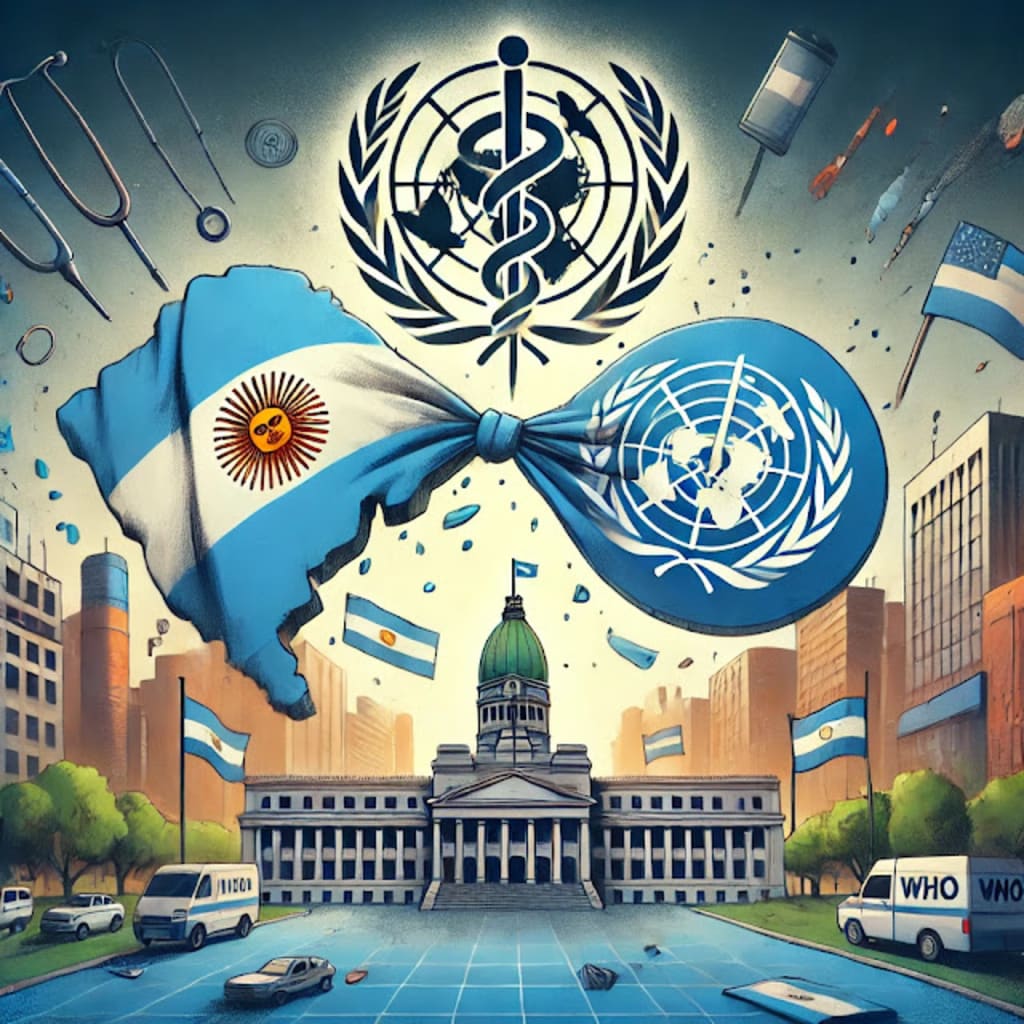
In a political turn that has captured international attention, Argentine President Javier Milei has decided to withdraw Argentina from the World Health Organization (WHO). This decision, which has sparked controversy both locally and globally, could have profound implications for the country's healthcare system, economy, and its relationships with other member states of the organization. What does this move mean for Argentinians? In this article, we will explore the potential repercussions of this measure and the reasons behind it.
Why Did Javier Milei Propose to Withdraw Argentina from the WHO?
Milei's proposal to leave the WHO is not an isolated decision; it is part of his broader foreign policy approach and his promises to reduce international influence on Argentina's domestic affairs. To understand the motivations behind this proposal, it is essential to grasp the political context that Milei advocates:
National Sovereignty: According to Milei, one of the reasons for withdrawing Argentina from the WHO is to regain sovereignty over public health decisions. In his view, the organization imposes policies that are not always suited to the country's needs.
Cost Reduction: Argentina is facing a severe economic crisis, and Milei has pledged to cut unnecessary spending. Membership in international organizations like the WHO could be seen as an expenditure that the government considers expendable.
Impact on Argentina's Healthcare System
The World Health Organization plays a key role in supporting member countries through resources, health guidelines, and international collaboration. If Argentina withdraws from the WHO, the impact could be significant:
Limited Access to Global Research and Resources: The WHO facilitates access to research and treatments for global diseases. Without active membership, Argentina may lose opportunities to receive assistance in research on emerging diseases, such as COVID-19.
International Cooperation: Argentina's healthcare system could be affected by the lack of collaboration in international projects. For instance, global vaccination campaigns and access to essential medications could become more complicated if the country severs ties with the WHO.
Lack of Support in Health Emergencies: During health emergencies such as pandemics, the WHO provides immediate aid to member countries. Withdrawing from the organization could leave Argentina vulnerable in future global health crises.
Economic and Geopolitical Implications
Relationship with Other Countries: The withdrawal from the WHO could strain Argentina's relations with other countries that view the organization as a cornerstone of global health. This could affect trade agreements, healthcare cooperation, and other areas of international collaboration.
Tourism and International Trade: Argentina could lose some of its appeal for international tourists and foreign businesses seeking a country with health standards supported by the WHO.
Long-term Economic Costs: While the decision to leave the WHO may seem like a cost-saving measure in the short term, the long-term economic costs could be higher. The lack of access to medicines, vaccines, and other global resources could increase health expenditures for the country.
What Alternatives Would Argentina Have if It Withdraws from the WHO?
If Argentina proceeds with withdrawing from the WHO, the country could explore bilateral agreements with other nations or international institutions. Some options include:
Creating a Regional Health Network: Argentina could seek to establish a health alliance with other Latin American countries, breaking away from the WHO but maintaining regional collaboration.
Establishing Agreements with Other Organizations: Argentina could align its health policies with alternative international organizations, such as the Pan American Health Organization (PAHO), which also operates in the region.
Strengthening the Domestic Healthcare System: Without the WHO, Argentina could focus more on strengthening its own healthcare system and creating independent public health policies.
Benefits and Risks of Withdrawing from the WHO
Benefits:
Greater Control Over National Policies: By ceasing to follow the global guidelines of the WHO, Argentina could make decisions that are more in line with its internal realities and priorities.
Reduction of Expenditures on International Organizations: Argentina could reduce its financial contribution to the WHO, freeing up resources for other priority sectors within the country.
Risks:
International Isolation in Health: Withdrawing could leave Argentina isolated in terms of international healthcare cooperation, making it more difficult to access resources and assistance in times of crisis.
Disadvantage in the Fight Against Global Diseases: Leaving the WHO would mean losing the ability to coordinate efficiently with other countries in combating global diseases.
Javier Milei's decision to withdraw Argentina from the WHO is a bold and controversial move that will have significant impacts on the country's public health, as well as its international positioning. While this measure aligns with his promise to reclaim national sovereignty and reduce government spending, the short-term benefits must be carefully weighed against the long-term risks and costs. In the meantime, it is crucial for citizens and authorities to closely monitor any potential alternatives that the government might propose to mitigate the negative effects of this decision.
Buscar
Analiza
About the Creator
David Sandoval
I am David Sandoval, a Bachelor in Accounting and Auditing with postgraduate studies in Language. I blend financial analysis with a passion for writing, creating articles and studies on business, entrepreneurship, and academia.
Keep reading
More stories from David Sandoval and writers in Humans and other communities.
The New Trend in International Politics.
In recent years, international politics has undergone profound changes driven by leaders with disruptive styles and unconventional approaches. Figures such as Nayib Bukele in El Salvador, Donald Trump in the United States, Javier Milei in Argentina, and the recent developments in Venezuela under Nicolás Maduro have redefined the global political landscape. This article offers an impartial analysis of these trends and their impact on world politics.
By David Sandoval11 months ago in Humans
The CEO of Everything
They say "jack of all trades, master of none," but they forgot to mention the part where the jack of all trades is also the camera woman, the makeup artist, and the person currently yelling at a tangled Wii microphone cable in a her own bathroom while recording herself singing and trying to make it look realistic and professional. (As professional as you can make it with nothing but a cell phone camera and a mic that doesn't work)
By Sara Wilson4 days ago in Humans
Why so Little is Known About Pakistan’s Shanzeh Ali, the New Member of Nawaz Sharif’s Family?
In mid‑January 2026, Pakistan’s political and social media landscapes were set ablaze with photographs and commentary surrounding the wedding of Junaid Safdar, son of Punjab Chief Minister Maryam Nawaz Sharif and grandson of three‑time former Prime Minister Nawaz Sharif. The bride, Shanzeh Ali — now officially part of one of Pakistan’s most influential political families — became the subject of intense interest. Yet despite the buzz, many Pakistanis are puzzled: **Why is so little known about her?**
By Salaar Jamalia day ago in Humans


Comments
There are no comments for this story
Be the first to respond and start the conversation.