
What to Expect When Planning a Funeral
This article gives readers tips on planning a funeral.
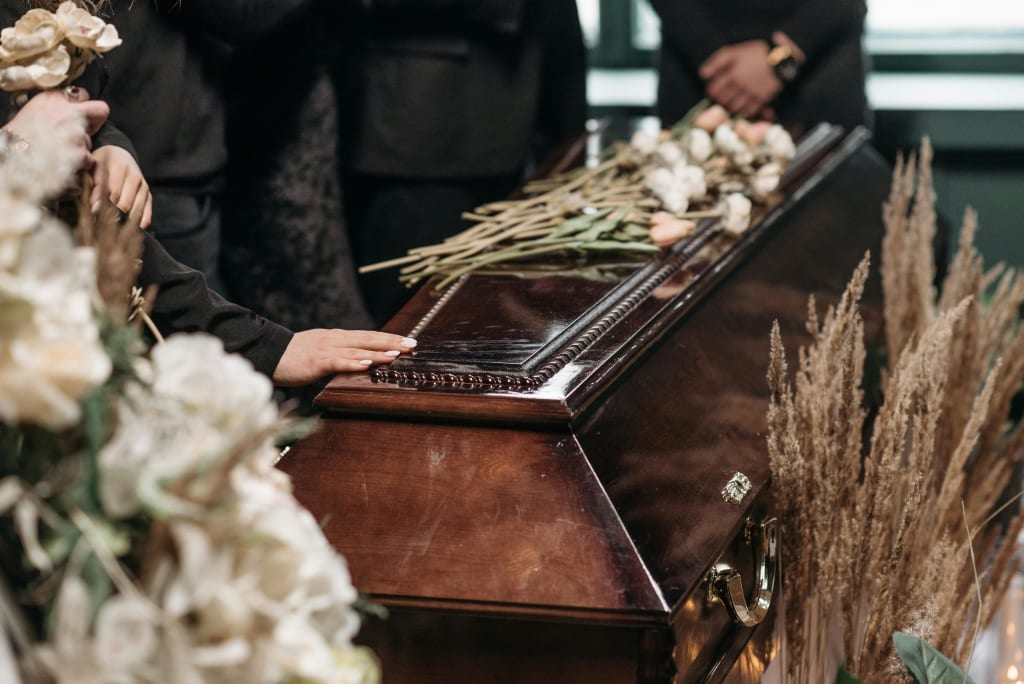
Along with great loss, a loved one's passing calls for the chore of organizing a funeral. Usually, one of the most difficult and emotionally taxing obligations one may have is this one. Among the strong emotions, one can find it difficult to know where to begin. Making so many decisions makes one easily overwhelmed by the specifics. Knowing what to expect, however, can assist you in being clear and guide you through every stage of funeral preparation. From legal obligations to personal touches, every element helps to honor the life lost.
Understanding the Basics of Funeral Arrangements
Funeral planning calls for several important choices, each of which will greatly influence the whole experience. The first step is deciding whether you want a burial or a cremation. This decision will influence many of the subsequent decisions, such as casket selection and urn design. You also have to decide if the service will be secular or religious, perhaps a combination of both. If your loved one has pre-arranged funeral intentions, those instructions can influence these decisions. If not, you should give their wishes, any family customs, and your tastes some thought.
Coordinating with Funeral Homes and Service Providers
One of the first chores in funeral planning is choosing a respectable funeral home. From organizing the logistics of the event to offering direction on legal documentation, funeral homes provide a spectrum of services. They also provide several bundles covering everything from funeral or cremation services to funeral transportation of the departed. Visiting a few funeral homes helps one to evaluate services and costs. Asking about this can also be a good thing since many funeral houses also offer tools and grief therapy for families negotiating loss. Helping you through the required paperwork—death certificates and permits—the funeral director will make sure everything is completed legally and quickly.
Personalizing the Service to Honor Your Loved One
Making sure the service captures the personality and life of your loved one is one of the most important elements of funeral planning. One can personalize anything from choosing their preferred music to including significant readings or poems. Many families decide to incorporate personal keepsakes, including letters, pictures, or a video tribute. Some choose a theme specifically honoring the interests, careers, or hobbies of their loved ones. Though it doesn't have to be ostentatious, this personalization should really reflect their spirit. Whether it's a small, private ceremony or a large celebration, the funeral should mirror the life and values of the deceased.
Managing Emotional and Practical Aspects During the Process
The emotional weight of planning a funeral can be overwhelming. Apart from the practical aspects, the process can cause strong grief, which might complicate decision-making. Time for self-care is absolutely vital, as is seeking help when required. Think about asking close friends or family members to assist with some chores, such as paperwork or guest notification. Delegating tasks helps to ease the strain and guarantee coverage of everything. Take breaks and let yourself have times of respite to control emotions and stress as needed. Although there is no right or wrong way to grieve, juggling your emotional demands with your current work can enable you to negotiate this trying period.
Post-Funeral Considerations and Aftercare
Important actions remain to be taken even after the funeral is completed. Addressing practical matters can provide a sense of closure during this transitional period. Among these chores are managing the deceased's estate, informing pertinent organizations (like banks, insurance companies, and government authorities), and sorting personal items. Those who attended the service or helped your family during this period could also be the target of thank-you letters. Although this can be taxing, knowing that there is a clear road forward following the funeral will aid with emotional healing and give structure during a period of uncertainty. Whether through ongoing grief therapy or just keeping a presence in each other's life, support from loved ones can remain absolutely vital.
Conclusion
Although organizing a funeral is obviously a challenging and emotionally taxing chore, knowing what to expect will assist in bringing clarity in a period of uncertainty and loss. You can pay appropriate respect to the life of your loved one by carefully choosing, working with experts, customizing the service, and controlling the pragmatic elements. Apart from the logistics, remember to rely on your support system and look after your emotional health all through the process. The road of loss doesn't end at the funeral; instead, every step you take down the road will help you find peace as you honor their memory.
About the Creator
Keep reading
More stories from hannahboothe789 and writers in Humans and other communities.
5 Ways to Use Natural Remedies to Relieve Cold Symptoms
A stuffy nose, sore throat, and persistent cough can make even the most basic tasks exhausting. Although over-the-counter medications offer some relief, natural therapies provide a milder and more all-encompassing way to help the body heal and alleviate pain. Without side effects from synthetic medicines, you can relieve congestion, soothe inflammation, and replenish vitality with the correct mix of elements. Using the force of nature offers long-lasting relief, thereby strengthening and fortifying your body.
By hannahboothe7899 months ago in Humans
John Forte and the Long Road Back to Meaningful Music Life
Some lives move in straight lines. Others bend, break, and slowly find their way back. The story of john forte belongs to the second kind. It is not loud or glossy. It is quiet, heavy, and deeply human. His name often appears in the margins of hip hop history, yet his journey speaks to anyone who has made mistakes and carried them for years. This is a story about music, loss, time, and patience. It is about how a person can fall far, sit with that fall, and still choose to create something honest. If you have ever wondered how art survives prison walls, or how identity survives shame, this story stays with you.
By Muqadas khana day ago in Humans




Comments
There are no comments for this story
Be the first to respond and start the conversation.