
What Should I Do If My Blood Sugar Glucose Levels Are High or Low?
Symptoms of High Blood Sugar (Hyperglycemia)

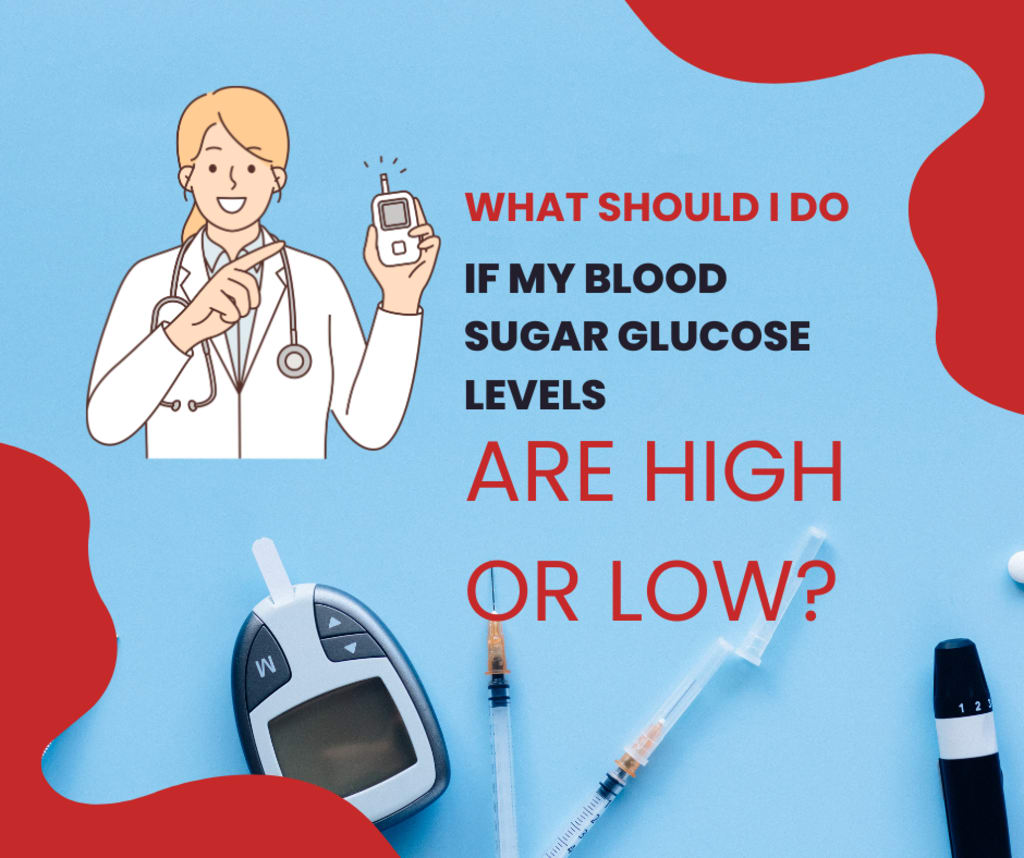
Blood sugar, also known as glucose, plays a critical role in providing energy to your body. Maintaining optimal glucose levels is essential for overall health, particularly for individuals with diabetes or prediabetes. In this comprehensive guide, we'll discuss what to do when your blood glucose levels are high or low, the symptoms to watch for, and the best ways to manage and monitor your blood sugar effectively.
Symptoms of High Blood Sugar (Hyperglycemia)
High blood sugar (hyperglycemia) occurs when glucose builds up in your bloodstream due to insufficient insulin or insulin resistance. Early symptom recognition can enable you to respond quickly.
Common Symptoms of High Blood Sugar:
Frequent Urination
Urination increases as a result of your kidneys working harder to eliminate extra glucose.
Increased Thirst
Frequent urination depletes fluids, causing persistent thirst.
Fatigue
Your body cannot use glucose for energy if you don't have enough insulin, which leaves you feeling worn out.
Blurred Vision
Your vision may suffer if your eye's lens swells due to high blood sugar levels.
Headaches
Persistent high blood sugar can lead to dehydration, triggering headaches.
Slow-Healing Wounds
High glucose impairs circulation and immune function, delaying wound healing.
Unexplained Weight Loss
Without insulin, your body may start breaking down fat and muscle for energy, leading to weight loss.
Emergency Symptoms (Seek Immediate Medical Help):
Shortness of breath
Confusion or disorientation
Fruity-smelling breath (a sign of diabetic ketoacidosis)
Symptoms of Low Blood Sugar (Hypoglycemia)
Low blood sugar (hypoglycemia) occurs when glucose levels drop below normal, often below 70 mg/dL. It's crucial to address hypoglycemia promptly to prevent severe complications.
Common Symptoms of Low Blood Sugar:
Shakiness or Trembling
A sudden drop in glucose can make you feel shaky or jittery.
Sweating
Low glucose triggers a release of adrenaline, causing sweating.
Hunger
Your brain signals you to eat to replenish glucose levels.
Dizziness or Lightheadedness
Low glucose can impair your brain's function, leading to dizziness.
Confusion or Difficulty Concentrating
Your brain needs glucose to think clearly.
Pale Skin
A sudden drop in blood sugar may cause paleness.
Rapid Heartbeat
Hypoglycemia activates the body's stress response, increasing your heart rate.
Severe Symptoms (Emergency Intervention Required):
Loss of consciousness
Seizures
Difficulty speaking or slurred speech
How Is Blood Sugar Glucose Measured?
Regular monitoring of blood sugar is essential for detecting abnormalities and managing diabetes. Here are the most common methods:
1. Self-Monitoring with a Glucometer
A glucometer is a portable device that measures blood glucose levels using a small drop of blood, typically taken from your fingertip.
Steps to Measure:
Wash your hands and dry them thoroughly.
Insert a test strip into the glucometer.
To obtain a drop of blood, puncture your fingertip with a lancet.
2. Continuous Glucose Monitoring (CGM)
Your blood sugar levels are continuously measured by a CGM device using a sensor beneath your skin. It provides real-time data and alerts for high or low readings.
Ideal For: People with type 1 diabetes or those requiring frequent monitoring.
3. HbA1c Test
Your average blood glucose levels over the previous two to three months are measured by this blood test.
Target Range: Below 5.7% for non-diabetics, and 7% or lower for diabetics.
4. Urine Tests
While not as accurate as blood tests, urine tests can detect high glucose levels and ketones in diabetic patients.
How Should I Respond to Elevated Blood Sugar?
Managing high blood sugar requires prompt action to prevent complications like diabetic ketoacidosis or hyperosmolar hyperglycemic syndrome.
Immediate Steps for High Blood Sugar:
Hydrate
To aid in the removal of extra sugar from your bloodstream through urination, drink lots of water.
Take Insulin
If you're on insulin therapy, follow your doctor's instructions for a corrective dose.
Exercise (If Safe)
Walking and other little physical activity can help reduce blood sugar.
If you have ketones in your urine, stay away from activity.
Monitor Your Levels
Check your blood glucose every 1–2 hours to track changes.
Adjust Your Diet
Avoid sugary or carbohydrate-heavy foods and opt for protein-rich snacks.
What Should I Do If My Blood Sugar Levels Are Low?
Low blood sugar can escalate quickly, so immediate action is crucial.
Immediate Steps for Low Blood Sugar:
Consume Fast-Acting Carbohydrates
Examples:
4–6 ounces of juice or regular soda
1 tablespoon of honey or sugar
Glucose tablets or gel
Wait 15 minutes and recheck your glucose level. If still low, repeat.
Eat a Balanced Snack
Once stabilized, consume a snack with protein and complex carbohydrates (e.g., peanut butter and crackers).
Avoid Over-Treatment
Consuming excessive sugar can cause a rebound spike in blood sugar.
Seek Help
If you're unable to raise your blood sugar or experience severe symptoms, call emergency services.
How Can I Prevent Low Blood Sugar?
Preventing hypoglycemia is especially important for individuals on insulin or diabetes medications.
Tips to Prevent Low Blood Sugar:
Follow a Consistent Meal Plan
Eat regular meals and snacks to maintain steady glucose levels.
Monitor Medications
Take insulin and oral medications as prescribed. Avoid skipping doses.
Limit Alcohol Consumption
Blood sugar can be lowered by alcohol, particularly when consumed empty-handed.
Be Prepared
Carry glucose tablets, snacks, or juice in case of an emergency.
Communicate with Your Doctor
Adjust medication doses if you experience frequent lows.
The Best Way to Monitor Blood Sugar Levels
Monitoring your blood glucose effectively requires a personalized approach. The right method depends on your lifestyle, medical history, and diabetes type.
Tools for Monitoring Blood Sugar:
Glucometers
Best for daily self-checks, especially before meals and at bedtime.
Continuous Glucose Monitors (CGMs)
gives a thorough overview of the variations in blood sugar levels throughout the day.
HbA1c Tests
Essential for long-term management and evaluating treatment effectiveness.
Tips for Effective Monitoring:
Track Patterns: Log your readings to identify patterns and triggers.
Set Alerts: Use CGM devices with alarms for dangerous highs or lows.
Consult Your Doctor: Share your readings to adjust treatment plans as needed.
Maintaining optimal blood glucose levels is crucial for overall health and diabetes management. By understanding the symptoms of high and low blood sugar, knowing how to respond, and monitoring regularly, you can reduce the risk of complications. Remember, regular communication with your healthcare provider is essential to tailor a management plan that works best for you.
Stay proactive about your health and take control of your blood sugar levels today!
Disclaimer:
The information provided in this article is for educational purposes only and is not intended to replace professional medical advice, diagnosis, or treatment. Always seek the advice of your physician or other qualified healthcare provider with any questions you may have regarding a medical condition or treatment. Never disregard professional medical advice or delay seeking it because of something you have read in this article.
If you are experiencing severe symptoms or a medical emergency, contact your doctor or emergency services immediately. Blood sugar management should always be guided by a healthcare professional based on your individual needs and medical history.
About the Creator
TaleSpot
I enjoy exploring new ideas and sharing my thoughts with the world.
Why Didn't Anyone Tell Us
Men, move along. This is not for you. This is for the women. I was forty-five when I began menopause. It is pretty young for that to be going on in a woman’s life, but I had undiagnosed PCOS, my entire life. Thank you to all the gynecologists I had seen my entire life. That in itself should encourage women to keep seeking second opinions, especially when you are not getting correct answers or any at all.
By Alexandra Grant6 days ago in Humans
The Empty Chair
There is a chair in our living room that no one sits in anymore. It’s not broken. The wood is still strong, the cushion still soft enough to be comfortable. From the outside, it looks like just another piece of furniture in the house. But for me, it means something entirely different. It is the empty chair. And every time I see it, a flood of memories comes rushing back.
By Shoaib Afridi5 days ago in Humans




Comments
There are no comments for this story
Be the first to respond and start the conversation.