
What Lipstick, Lunch, and Underwear Reveal About the Economy
Before a recession hits the headlines, it shows up in our everyday choices — and your hair appointment might be the first clue.

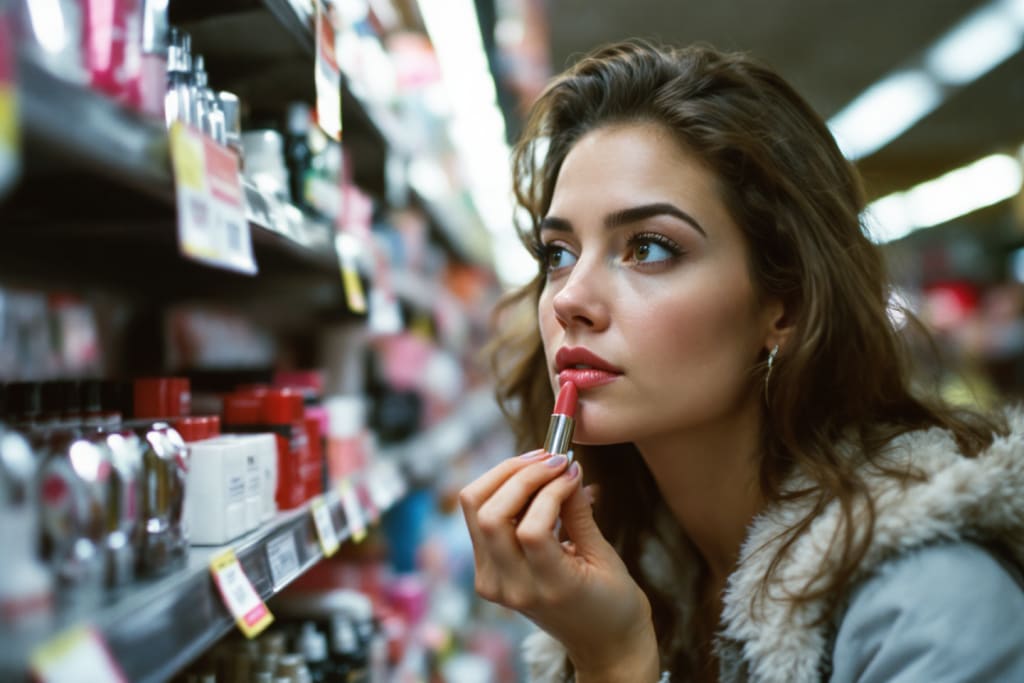
You probably won’t hear it from a financial analyst, but sometimes the first sign of a looming recession is a new tube of lipstick.
Not a luxury handbag. Not a plummeting stock market. Just a $10 swipe of color in your favorite shade of red.
It’s called the lipstick index — an unofficial but oddly reliable way of knowing when the economy’s about to take a turn. Because when people can’t afford the big stuff, they settle for small wins. Tiny comforts. Little luxuries that say, “I’m still okay.”
We tend to think recessions arrive with dramatic flair — Wall Street panic, economic forecasts, and urgent news segments. But the truth? The earliest signs are far more subtle. And far more human.
They’re found in your shopping cart, your beauty routine, and your lunch choices. Even your underwear drawer.
So let’s take a closer look at the recession clues hiding in plain sight.
When Recession Doesn’t Knock — It Whispers
We like to think recessions come crashing in like thunder — stocks plummet, CEOs panic, and headlines scream warnings. But most of the time, they sneak in quietly through the back door. Before the big signs show up, it’s the small shifts that start telling the real story.
It might look like a canceled hair appointment. A lunch packed from home instead of your usual burrito bowl. A decision to skip the new heels and settle for a swipe of $10 lipstick instead. It’s these tiny trade-offs that whisper the truth long before any economist confirms it.
And the whispers? They’re getting louder.
Recession Forecasting — Forget Charts, Look in the Mirror
Technically, a recession means the economy shrinks for two consecutive quarters. But let’s be real — by the time that data hits the news, most of us have already felt it. Your grocery bill stings a little more. The coffee shop you love feels quieter. And your hair? It’s a few weeks past needing that touch-up.
While economists track GDP, some of the best early-warning signals live in the unlikeliest of places — your lipstick drawer, your lunchbox, and yes, even your underwear drawer.
Welcome to the world of unofficial indicators — unscientific, often odd, but surprisingly accurate.
The Lipstick Index: A Swipe of Hope
Let’s start with a classic: the lipstick index.
When recessions loom, lipstick sales go up. Why? Because when people can’t afford big luxuries, they reach for smaller ones. A brand-new car might be out of reach, but a bold red lipstick? That’s a $10 pick-me-up that still feels like a treat.
It’s not just vanity — it’s emotional survival. When life feels uncertain, we crave tiny joys. Lipstick becomes a symbol of hope, control, and a splash of color in gray times.

Hair, Nails, and the Rise of “Recession Blonde”
Beauty salons are often the first places to feel the economic pinch. In 2024, American women were spending over $1,000 a year on their appearance — but that’s changing fast.
Stylists are reporting more canceled appointments. Clients are spacing out visits and opting for cheaper services. And on TikTok? There’s a trending phrase: Recession Blonde. It’s all about letting roots grow in and ditching the high-maintenance upkeep.
And nails? Manicures are out. Press-ons are in. Google searches for press-on nails jumped 10% this year alone. People aren’t giving up on looking good — they’re just looking for cheaper ways to do it.
What Men’s Underwear Has to Do with the Economy
This one might sound like a joke, but it’s been tracked for decades.
In a recession, men’s underwear sales drop. Why? Because it’s one of the easiest things to postpone. You stretch what you’ve got, quite literally.
Alan Greenspan, the former Fed Chair, famously cited this as a subtle but telling indicator. Men rarely talk about it, but the numbers don’t lie — less spending on the basics means wallets are tightening.
The Lunch Box Comeback
Another early sign? What’s inside your lunch bag?
Eating out is one of the first things to go when money gets tight. People start bringing food from home — not because they’ve suddenly discovered the joy of leftovers, but because it saves serious cash.
It’s not about carbs or calories. It’s about cutting costs quietly.
That $12 salad? It’s out. That homemade turkey sandwich? It’s suddenly gourmet.
The Beer Shift: Goodbye Craft, Hello Cheap Six-Pack
During economic downturns, people don’t stop drinking — they just drink differently.
Craft beers and IPAs take a backseat. Affordable six-packs from the grocery store are back in style. The focus shifts from taste to savings, and Friday nights look a little less curated and a little more practical.
It’s one more clue that beneath the surface, people are adjusting — trimming down without making a fuss.
Even Hemlines Have Something to Say
This one’s more historical, but no less fascinating: the hemline index.
In the roaring 1920s, skirts went up — freedom, flappers, and economic exuberance. But when the Great Depression hit in the ’30s, hemlines dropped to the ankles. It wasn’t fashion. It was a mood.
Of course, fast fashion makes this harder to track now, but the principle stands: what we wear reflects how we feel about money — and the future.
These “Silly” Signs? They Tell the Truth
Can lipstick and lunchboxes really predict a recession?
Maybe not in a lab-coat kind of way. But they tell a different kind of truth — the one lived out in real kitchens, nail salons, grocery aisles, and closets. The kind of truth you feel before you read about it.
When people start making different choices — not because they want to, but because they have to — it’s a ripple. And when enough ripples show up, they signal a coming wave.
So pay attention. The next time you swap takeout for Tupperware or let your hair grow a little longer than usual, you might just be participating in an economic indicator.
Final Thought: The Recession We Feel Before We See
Big economic shifts don’t always arrive with sirens. Sometimes they sneak in through the little things — like lipstick shades and lunch menus.
These small decisions may not seem like much on their own. But together, they paint a picture of how we’re feeling — and how we’re preparing for what’s next.
If you want to know where the economy’s heading, don’t just watch Wall Street.
Watch your own routines.

💬 I’d love to hear from you — leave a comment and hit that subscribe button to get notified whenever I publish something new.
Don’t forget to Subscribe my profile for regular updates!
If you’d like to support my work, you can Buy Me a Coffee ☕💛 — every cup helps me keep creating meaningful content.
About the Creator
Amanur 🍁
A woman writing from the raw corners of real life.
I tell the truth about the feelings we swallow, the feelings we hide, and the strength no one sees until it breaks the surface.



Comments
There are no comments for this story
Be the first to respond and start the conversation.