
What is the best time to visit the Maldives and why?
A Seasonal Guide to The Maldives

The Maldives promises a tropical paradise all year round, but the experience you get? Sunshine, crowds, and costs hinge on when you visit. More about Maldives, with two distinct monsoon seasons shaping the islands’ weather, choosing the right time means balancing perfect beach days, vibrant marine life, and your travel budget. Whether it's chasing endless sunshine or seeking unique underwater encounters at a better value, timing is everything for the ultimate Maldives escape.
The Dry Season
This four-month window from December to March is the Maldivian high season, characterised by the best weather of the year, with the northeast monsoons bringing consistent, clear skies, low humidity, and very little rainfall. Prep the sunscreen for days that are dominated by bright sunshine, and the ocean waves lapping timidly, typical this time of the year, and perfect for an ocean conquest like diving and snorkelling. The downside is that this is the most expensive and busiest time of year, with flight and hotel prices peaking and the masses flocking for the tropical weather.
The Shoulder Season
Between April to November, these months act as transitional periods between the dry and wet seasons that offer a great balance of decent weather and improving value. April often maintains the bright sunny conditions of the high season before the heavy rains start, while November sees the wet season ending and sunnier days returning. With low fluctuations and good weather, combined with reduced crowds and slightly lower prices than the peak season, it’s ideal for travel. The transitional water currents can be excellent for spotting marine life, and many divers visit specifically in November or April to experience the vibrant coral growth and diverse species found around the coral atolls, like those around luxury resorts like Kurumba Maldives.
The Stormy nights
From May uptill October is dominated by the southwest monsoon, bringing the highest probability of rain and strong winds. However, "wet season" doesn't mean constant rain showers and often arrives in short, heavy bursts, leaving you drenched only to give way for the sun to shine. With marginally low tourist traffic, it's the time for the best deals with significantly lower room rates and fewer travellers, making it the most affordable way to experience a luxury resort. Here's a secret benefit: Plankton blooms during this time, particularly attracting whale sharks and manta rays to the western atolls, offering unparalleled viewing opportunities for these large animals.
Surfs up/under the sea
The monsoon affects different activities in different ways. Surfers, for instance, prefer the stronger, more consistent swells generated by the southwest monsoon between May and October, with these conditions bringing behemoth waves to surf atop. whereas those prioritising underwater safety for diving and snorkelling often experience the best conditions during the dry season, when the water is calmer, and visibility is at its maximum.
Weight of the bill
The choice depends heavily on your budget priority. If you must have guaranteed sun, pay the premium for December-March; however, oftentimes travellers opt for the best overall value, with shoulder months of April and November offering a superior experience, blending good weather with more attractive pricing than the peak and allowing you to potentially extend your stay or upgrade your accommodation for the same cost as a peak-season trip.
The Ocean's magic
Marine life viewing is less about the month and more about specific currents, but some general trends apply. The wet season is generally better for seeing large pelagic species like manta rays and whale sharks, as the plankton is abundant.
Separately, the captivating phenomenon of bioluminescent phytoplankton, or better known as the 'Sea of Stars', that light up the shorelines at night, is most often reported during the warmer, darker, late summer/early autumn months, although these sightings are always down to chance.
About the Creator
Keep reading
More stories from ameliarosanna and writers in Humans and other communities.
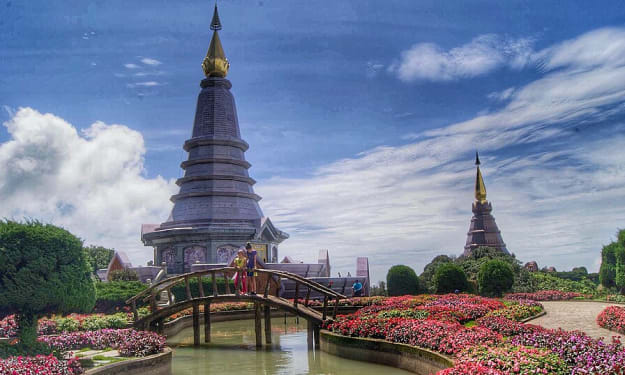
What Makes Chiang Mai Stand Out Among Thailand's Top Travel Cities?
Chiang Mai has long stood apart from Thailand’s bustling southern cities and neon-soaked beaches, offering an atmosphere that feels both grounded and graceful. Set against a backdrop of misty mountains and ancient temples, this city blends deep-rooted heritage with a modern creative spirit. Once the capital of the ancient Lanna Kingdom, Chiang Mai still moves to its own unhurried rhythm, where monks walk at dawn, artisans work by hand, and cafés hum with quiet innovation. It’s not just another stop on the Thai travel circuit — it’s a place that redefines what travel can feel like.
By ameliarosanna4 months ago in Humans
Healing Upward and Outward
Healing Upward and Outward Reconciliation is repairing the broken threads that connect us. These threads reach in two directions: up and out. First, we must consider the vertical dimension: our internal self and our relationship with the Divine. Before we can reach out to others, we are called to look inward and sit in the quiet, sometimes uncomfortable light of self-reflection. We must ask, “Where have we stumbled or contributed to a fracture?”
By Archery Owl 7 days ago in Humans


Comments
There are no comments for this story
Be the first to respond and start the conversation.