
What is depression?
Effective Treatments for Depression: Shedding Light on Hope and Recovery
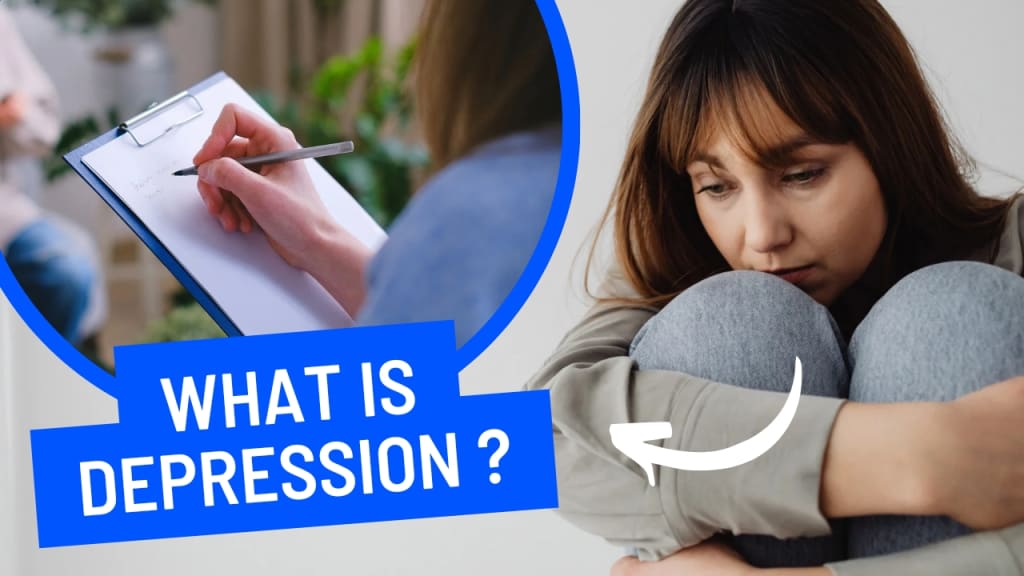
Depression, which is the leading cause of disability worldwide, poses challenges in understanding due to its nature as a mental illness. In the United States, approximately 10% of adults grapple with depression. Unlike temporary feelings of sadness, depression is a distinct condition characterized by prolonged periods of low mood that persist for at least two consecutive weeks. It adversely affects one's ability to function in various areas of life, such as work, leisure activities, and relationships.
Distinguishing between experiencing temporary sadness and clinical depression can be confusing. Everyday occurrences like receiving a poor grade, losing a job, having an argument, or even a gloomy day can evoke feelings of sadness. Sometimes, sadness may arise without any identifiable cause and then dissipate as circumstances change. However, clinical depression is different. It is a medical disorder that does not simply vanish at will.
Depression manifests through a range of symptoms, including a persistent low mood, loss of interest in activities once enjoyed, changes in appetite, feelings of worthlessness or excessive guilt, disrupted sleep patterns (either excessive or insufficient sleep), difficulty concentrating, restlessness or slowness, loss of energy, and recurrent thoughts of suicide. According to psychiatric guidelines, having at least five of these symptoms qualifies for a depression diagnosis.
Depression not only affects behavior but also has discernible physical effects on the brain. Visible changes, detectable by the naked eye or imaging techniques, include reduced volumes of the frontal lobes and the hippocampus. At a microscale, depression is associated with abnormal neurotransmitter transmission or depletion, particularly serotonin, norepinephrine, and dopamine. It also affects circadian rhythms, sleep cycles (REM and slow-wave phases), and hormone regulation, such as elevated cortisol levels and thyroid hormone imbalances. However, despite advancements in neuroscience, a complete understanding of depression's causes remains elusive, as it appears to result from complex interactions between genetic predisposition and environmental factors. Presently, there are no diagnostic tools that can accurately predict the onset or location of depression.
The intangible nature of depression symptoms makes it difficult to discern those who may appear fine but are silently struggling. It takes, on average, more than ten years for individuals with mental illnesses to seek help, as reported by the National Institute of Mental Health. However, there are highly effective treatments available. Medications and therapy work together to enhance brain chemicals. In severe cases, electroconvulsive therapy, which induces controlled seizures in the patient's brain, can be highly beneficial. Other promising treatments, such as transcranial magnetic stimulation, are also being explored.
If you know someone dealing with depression, gently encourage them to consider these treatment options. Offering assistance with practical tasks like finding local therapists or preparing a list of questions for doctors can be valuable support. Taking the initial steps toward seeking help can be daunting for individuals with depression. If they feel guilt or shame, it is important to emphasize that depression is a medical condition akin to asthma or diabetes. It is not a sign of weakness or a personal flaw, and they should not expect themselves to "get over it" any more than they could will themselves to heal a broken arm.
For those who have not experienced depression firsthand, it is crucial to avoid comparing it to ordinary bouts of sadness. Such comparisons may inadvertently make individuals with depression feel guilty for their struggles. Simply engaging in open conversations about depression can be beneficial. Research indicates that discussing suicidal thoughts with someone actually reduces their suicide risk. By openly addressing mental illness, societal stigma can be diminished, making it easier for individuals to seek help. Moreover, as more patients pursue treatment, scientists can continue to advance their understanding of depression, leading to improved therapies.
About the Creator
Keep reading
More stories from writers in Humans and other communities.
Wild Card Weekend Recap: What Happens Now?
I think I figured out why I love Wild Card Weekend so much. It's because it's the first playoff anything of the calendar year. The NFL season starts in the fall, and once upon a time, the champion was crowned either on or slightly before New Year's. The evolution of the NFL schedule has resulted in the playoffs starting just into the New Year, and currently, the final week of the season falls on the first weekend of the New Year, with Wild Card Weekend coming a week after that. So yes, chronologically, the NFL's Wild Card Weekend serves as the first playoff anything of the calendar year.
By Clyde E. Dawkins7 days ago in Unbalanced




Comments
There are no comments for this story
Be the first to respond and start the conversation.