
What is a Fibroid, and what are the different types of fibroids?
Understand what fibroids are and their different types for early detection and appropriate management.
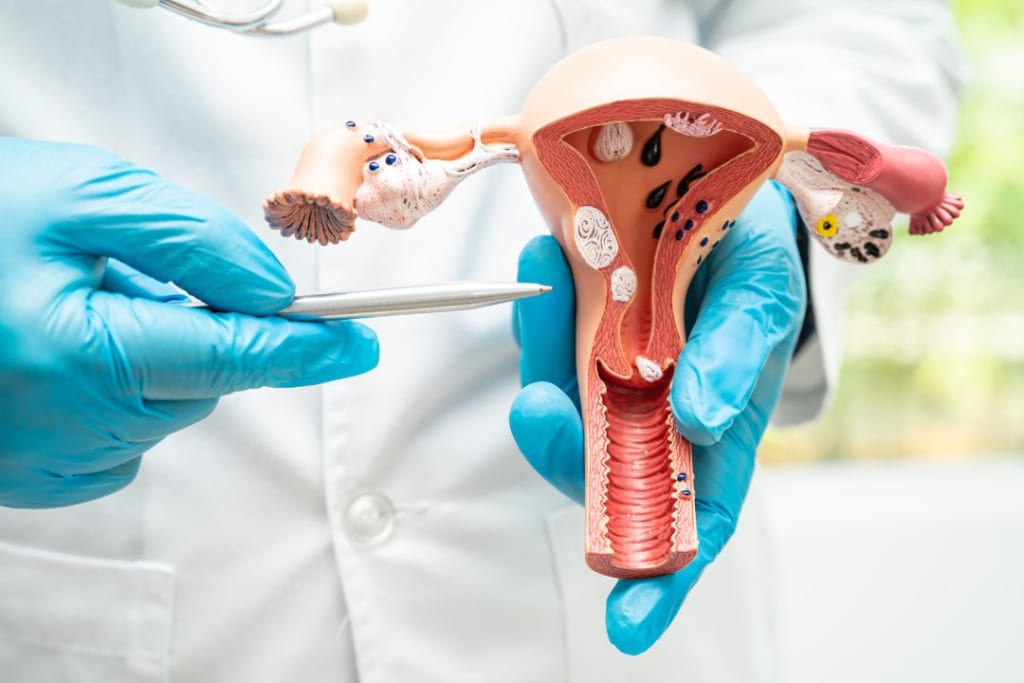
Fibroids are a common health condition that affects many women worldwide. Although they are non-cancerous growths, they can cause discomfort and various symptoms, impacting a woman's quality of life.
What are Fibroids?
Fibroids, also known as uterine leiomyomas or myomas, are benign (non-cancerous) growths that develop in or on the uterus. These growths are composed of muscle tissue and fibrous connective tissue and can vary in size, ranging from small, undetectable nodules to large, grape-like masses. While fibroids can affect women of all ages, they are most commonly diagnosed in women between the ages of 30 and 50.
Causes and Risk Factors:
The exact cause of fibroid development remains unclear, but several factors may contribute to their formation. Hormones, particularly estrogen, and progesterone, are thought to play a significant role in fibroid growth. Genetic predisposition, family history of fibroids, and certain lifestyle factors such as obesity can also increase the risk of developing fibroids.
Symptoms of Fibroids:
The symptoms experienced by women with fibroids can vary depending on the size, location, and number of growths present. Some common symptoms include:
· Heavy or prolonged menstrual bleeding
· Pelvic pain or pressure
· Frequent urination
· Constipation
· Pain during sexual intercourse
· Lower back pain
· Abdominal bloating or enlargement
It is essential to note that some women with fibroids may experience no noticeable symptoms at all.
Different types of Fibroids:
Fibroids are classified based on their location within the uterus. The following are the main types of fibroids:
Intramural Fibroids:
These are the most common type of fibroids and develop within the muscular walls of the uterus. Blood clots with fibroids are often seen in this subtype. They can grow larger, distorting the uterine cavity, and may cause heavy menstrual bleeding and pelvic pain.
Submucosal Fibroids:
These fibroids grow just under the uterine lining (endometrium) and can protrude into the uterine cavity. They are known to cause heavy bleeding and may lead to fertility issues.
Subserosal Fibroids:
These fibroids develop on the outer surface of the uterus and can grow outward, potentially putting pressure on nearby organs, causing discomfort or pain.
Pedunculated Fibroids:
This type of fibroid is attached to the uterus by a stalk or stem. Depending on their location, they can cause various symptoms, including severe pain if they become twisted (torsion).
Diagnosis and Treatment:
If a woman experiences symptoms suggestive of fibroids or if her doctor detects an enlarged uterus during a routine examination, further tests may be necessary for diagnosis. Imaging tests such as ultrasounds, MRIs, or hysteroscopies can help identify the presence, size, and location of fibroids.
Treatment options for fibroids depend on the severity of symptoms, the size and location of the fibroids, and a woman's desire for future fertility. Treatment approaches include:
Watchful Waiting:
If fibroids are small and not causing significant symptoms, the doctor may recommend monitoring the growth and managing the symptoms conservatively.
Medications:
Hormonal medications, such as birth control pills, may help regulate menstrual bleeding and alleviate symptoms. Gonadotropin-releasing hormone agonists (GnRH agonists) can also temporarily shrink fibroids.
Minimally Invasive Procedures:
Techniques such as uterine artery embolization, myomectomy, and laparoscopic or robotic-assisted surgery can remove or shrink fibroids while preserving the uterus.
Hysterectomy:
In severe cases or for women who no longer wish to conceive, a hysterectomy (removal of the uterus) may be considered as a definitive treatment option.
Unfortunately, in our part of the world, the conventional options for the treatment of fibroids are myomectomy and hysterectomy, major surgical procedures. Dr. Imtiaz Ahmed is a ray of hope in this situation as he introduced the safest minimally invasive technique, uterine fibroid embolization, in Pakistan.
Dr. Imtiaz Ahmed is an expert interventional radiologist and an endovascular surgeon who has extensive experience in dealing with fibroids. He is also a fine surgeon for the minimally invasive treatment of adenomyosis, polyps, and pelvic congestion syndrome.
For more information regarding the best fibroid doctor and the treatment, contact us. Email us at [email protected]. Follow us on Instagram @Profdr_imtiaz_ahmad for more information and daily updates.
About the Creator
Oliver SEO
Off page expert
Keep reading
More stories from Oliver SEO and writers in Humans and other communities.
What are the Different Types of Pastry?
The Pastry Party Before you ask, “Do pastries really merit an article?”, let me say - I hear you. Pastries are seldom the main course or attraction in any scenario. They’re there to enhance a meal, not be the meal itself. Side snacks and appetizers are the discussions they occupy. So, why an entire article on them?
By Oliver SEO3 years ago in Humans
Whiskey At Dusk
Guess the whiskey was more important to you in the end, wasn’t it? It was more than the well-being of your friends; more vital than showing up to the places you promised you would and could come to; more critical of a matter than fulfilling your damn responsibilities and getting the press off your back.
By Snarky Lisa3 days ago in Humans




Comments (1)
I've been dealing with fibroids for a while now, and your piece shed light on aspects I hadn't fully grasped before. The way you differentiated between the various types of fibroids was a game-changer for me. Concerned about Ufe Treatment Fibroid Embolization? Must go here - https://cvifibroidcenter.com/services/ufe-treatment-fibroid-embolization/