
What are the Different Types of Pastry?
Different Types of Pastries
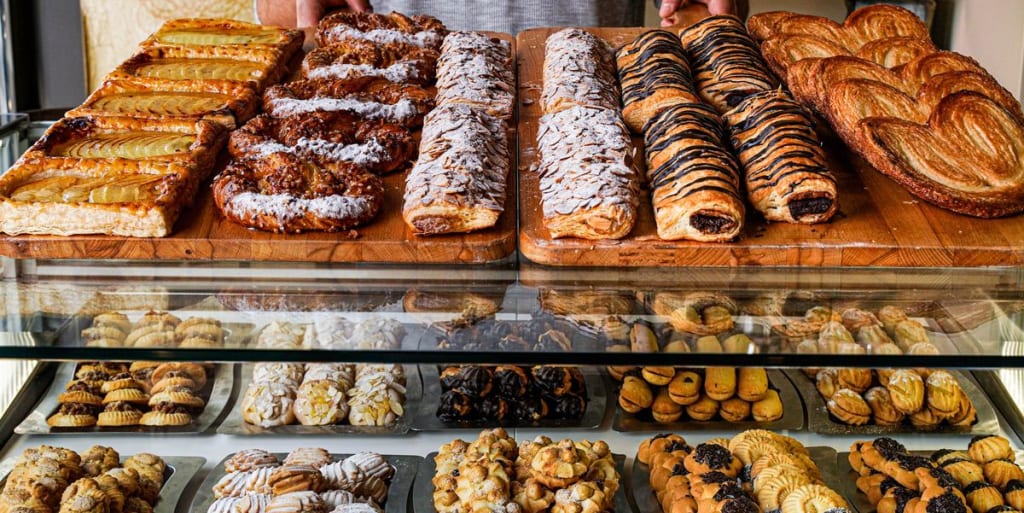
The Pastry Party
Before you ask, “Do pastries really merit an article?”, let me say - I hear you. Pastries are seldom the main course or attraction in any scenario. They’re there to enhance a meal, not be the meal itself. Side snacks and appetizers are the discussions they occupy. So, why an entire article on them?
Well, the answer to that question is simple. They deserve an article because they’re the bridge that elevates every meal. Not every dinner needs to have a heavy dessert as a successor. Nor are appetizers confined to a specific range of flavors. Their light, crispy dynamism makes pastries an integral part of every fantastic meal. They’re versatile enough to adapt to any flavor you’d want. Additionally, they’re light enough to serve as a starter or an afternoon snack. Moreover, they can be the main dessert too after a heavy dinner.
They’re not as dry as biscuits or as creamy as cakes. Perfectly balanced, pastries bring to life any meal. However, a sword is only as good as the Smith who made it. That’s why, it’s essential that the composition of the pastries be in line with the event and meal it’s served in. A bad pastry can turn any occasion sour. Let’s take a look at the 4 main ingredients for making different types of Hobnob pastry.
The Ingredients
> Flour
The type, quantity, and treatment of the flour determines the quality of the pastry. The elastic nature of wheat after being moistened and kneaded forms the spongy, flaky pastry.
> Water/Liquid
It’s necessary to add a minimum amount of water or milk to every type of pastry. However, be careful not to overindulge. Too much water will make a tough pastry with a lot of gluten. Too little, and the pastry will turn out dry and crumbly.
> Salt
It adds to the flavor and sharpness of the pastry of every kind. Its absence will leave your pastry lacking.
> Fat
The purpose of fat in pastries is to give texture to the final product. Moreover, in some cases of fat, it provides the pastry with an extra zest of flavor. It’s used by coating the pastry in the fat and separating the flour contents. This results in a tender, fluffy pastry.
> Puff Pastry
Let’s start with the traditional one. The classic puff pastry is a timeless fusion of dough, water, and butter. With no leavening or yeast in this dough, it allows the pastry a matchless versatility. You can turn it into savory pies like meat, or chicken pot pie. On the other hand, you can make a sweet treat like Napoleon, cream horns, etc. Considering all these reasons, it’s no surprise that this pastry has withstood the test of time.
> Croissants
One of the greatest French exports, no conversation about pastries is complete without croissants. This crispy, buttery pastry with dough-laminated layers of butter is globally popular. What makes it an exciting option for every cook is its fluidity to adapt to any occasion. Over time, many derivatives have come forward, each with a unique taste. Whether it's a classic croissant or a chocolate one, the constant in them is their exquisite flavor and their crisp yet soft texture that can fulfill every aesthetic need of yours while also satisfying your cravings.
> Danish Pastry
The structure of the Danish pastry is similar to croissants and puff pastries. However, the difference lies in their enhanced sweetness and butteriness. Though it takes a bit of time, this pastry is bound to delight with every munch. Often filled with fruits or jams with cream on the top, this pastry is bewitching. The nature of different fillings means the shape of the pastry changes to the baker’s needs.
> Choux Pastry
Another exceptional French export, the choux pastry is a little baked puff delight. This pastry requires baking twice. First, in order to evaporate all the moisture from the dough to allow the eggs’ incorporation. Secondly, after piping the dough into its desired shape, it’s baked until it's golden brown. Then, select the fillings of your choice and serve a delicious dessert. Choux pastries provide the foundation for many other famous pastries like éclairs, churros, etc.
The Most Popular Type Of Pastry
“What is the most popular pastry?”. Well, this is a tricky question. The preference for pastry varies from country to country, city to city, and family to family. Some may enjoy drowning in the chocolaty éclairs, whilst others may prefer the elegant croissant. With the rise of veganism, the popularity of gluten-free pastries has increased. Considering all these elements, it’s not possible to answer objectively the most popular pastry.
Final Thoughts
Pastries have become an integral part of meals in many households over the year. Their light, small nature makes them an excellent choice for any occasion. Go to Hobnob and order a pastry that’ll delight you to no end.
About the Creator
Oliver SEO
Off page expert
Keep reading
More stories from Oliver SEO and writers in Humans and other communities.
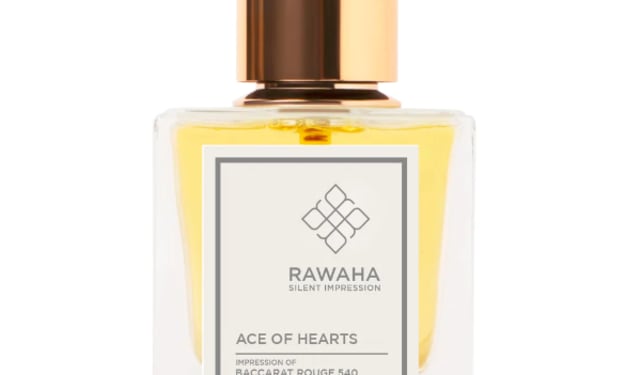
Baccarat Rouge - Why It's the Best Scent for Men
When it comes to perfumes for men there are a plethora of options to choose from. From light and citrusy to dark and woody, the choices can be overwhelming. However, there is one fragrance that has stood out among the rest in recent years – Baccarat Rouge. Baccarat Rouge is luxurious and has become a must-have for men who want to smell their best. In this article, we will explore why Baccarat Rouge is the best scent for men and what makes it so special.
By Oliver SEO3 years ago in Humans
Whiskey At Dusk
Guess the whiskey was more important to you in the end, wasn’t it? It was more than the well-being of your friends; more vital than showing up to the places you promised you would and could come to; more critical of a matter than fulfilling your damn responsibilities and getting the press off your back.
By Snarky Lisa3 days ago in Humans
The Loyal Parrot
The Loyal Parrot – Children, this is a story from very old times. There was once a king whose kingdom was vast and prosperous. His queen’s name was Chanda. She was very beautiful and wise, and the king loved her dearly. On one of her birthdays, the king gifted her a very precious necklace. A few days after the celebration, the necklace was stolen, which caused great sorrow to both the king and the queen.
By Sudais Zakwan5 days ago in Humans


Comments
There are no comments for this story
Be the first to respond and start the conversation.