
What I Learned from 10 Years of Digital Detox
10-Year Reflection – Stronger relationships, meaningful interactions, lasting memories.

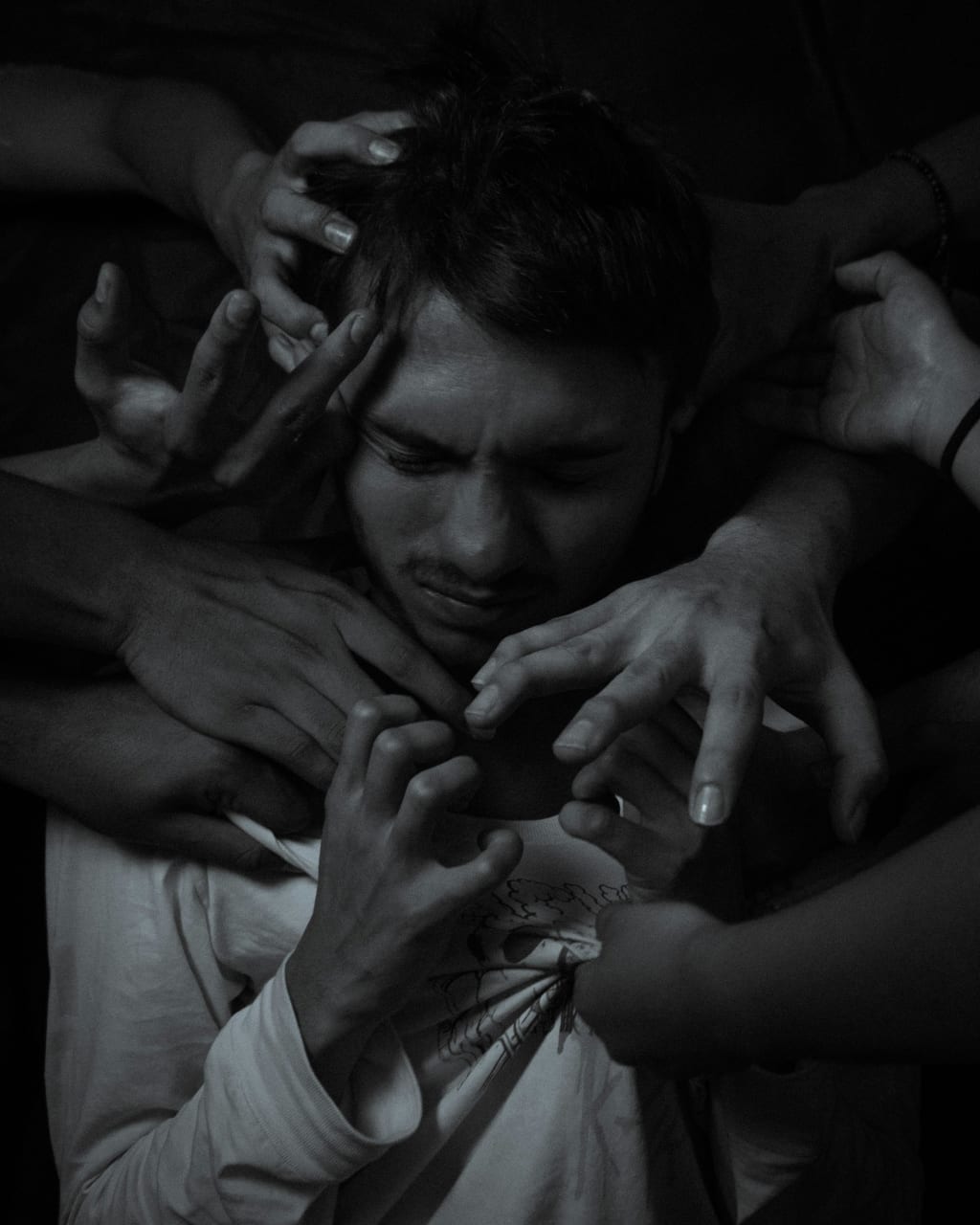
Ten years ago I found myself standing at a crossroads in my life. On that day, it was a Saturday, and it began like any other Saturday in my house. Our family slept in a bit later than normal. My wife and I got our caffeine fix, but then we took a detour from the norm and decided to take our kids with us to Costco.
About a month prior to what would later be called the infamous Costco incident, I had purchased my very first smartphone to try to liberate myself from the eight to ten hours I was spending staring at a computer screen each day. I'm a communication professor, and I earn my paycheck by answering emails and going to meetings. The phone helped with emails but didn't reduce meetings. I noticed I was spending three to four hours a day less in front of the computer, and I thought I now had more time for my family.
The problem was my workload hadn't changed; I had merely traded big screen time for small screen time. That small screen followed me everywhere, and my work life started to bleed into family time. At Costco, somewhere between a giant bag of dog food and a family-size box of orange chicken, I felt the familiar buzz of a new email. Without thinking, I reached into my pocket and started reading as I pushed the cart. Moments later, my cart came to an abrupt stop. I had collided with another person—it was my wife. She crossed her arms and told me to put the phone down, clearly frustrated.
Our collision started a series of arguments. I defended myself, saying I needed to check my phone to respond to students and colleagues. I argued that freeing myself from a computer desk and spending more time with the family somehow improved our situation. But I realized that occupying the same airspace is not the same as being emotionally present. Every time I reached for my phone, it was like putting our relationship on hold.
The solution was simple: my wife asked me for one day, 24 hours a week, with no screens in front of my face. We involved the whole family and called it Screen-Free Saturday. On Friday night, all devices were put away until Sunday morning, except for emergencies. It was our way to reconnect with each other without virtual distractions.
At first, I struggled. I felt withdrawal symptoms and even hid in the bathroom with my phone, realizing I had a problem. Screen addiction is now one of the most pervasive non-drug addictions, and the constant notifications trigger chemical rewards that draw us in. This addiction leads to problems like nomophobia, bubble behavior, and FOMO. Digital detoxing, setting aside regular screen-free time, helps disrupt this conditioning.
I committed to my digital detox over a month and noticed many benefits. I gained more control over when I entered and exited the virtual world, became more aware of urges to check my phone, improved my attention and focus, and became a better listener. Spending uninterrupted time with loved ones reinforced their importance. I also discovered that enduring boredom without reaching for my phone sparked creativity. On one rainy Screen-Free Saturday, my kids and I built a working Keeble arcade game out of cardboard, duct tape, and imagination—a memory that would not have happened if I had reached for my phone.
The goal of this practice is not to follow strict rules but to make deliberate choices to use technology intentionally. Exceptions can be made consciously rather than by impulse. Apps that track screen time can provide biofeedback. Over three months, I kept my average screen time under two and a half hours a day. My daughter, hypothetically averaging 10 hours, averaged 3 hours.
Over ten years, controlling my impulses has been born out of self-preservation, and doing this together as a family resulted in a cultural shift. I get more done with less time, and my relationships and interactions are stronger and more meaningful. The memories created with loved ones have far higher resolution than any screen could provide.
About the Creator
Keep reading
More stories from writers in Humans and other communities.
Whiskey At Dusk
Guess the whiskey was more important to you in the end, wasn’t it? It was more than the well-being of your friends; more vital than showing up to the places you promised you would and could come to; more critical of a matter than fulfilling your damn responsibilities and getting the press off your back.
By Snarky Lisa5 days ago in Humans
The Cure for Loneliness
Living alone in a dense forest—and that too an elderly woman—was something I found truly astonishing. This incident dates back to my stay in Europe. I was living with my friend in London when one day she said to me, “Come, I’ll take you for a walk in the forest.”
By Sudais Zakwan2 days ago in Humans



Comments
There are no comments for this story
Be the first to respond and start the conversation.