
What Happens when we die?
The current knowledge of Understanding
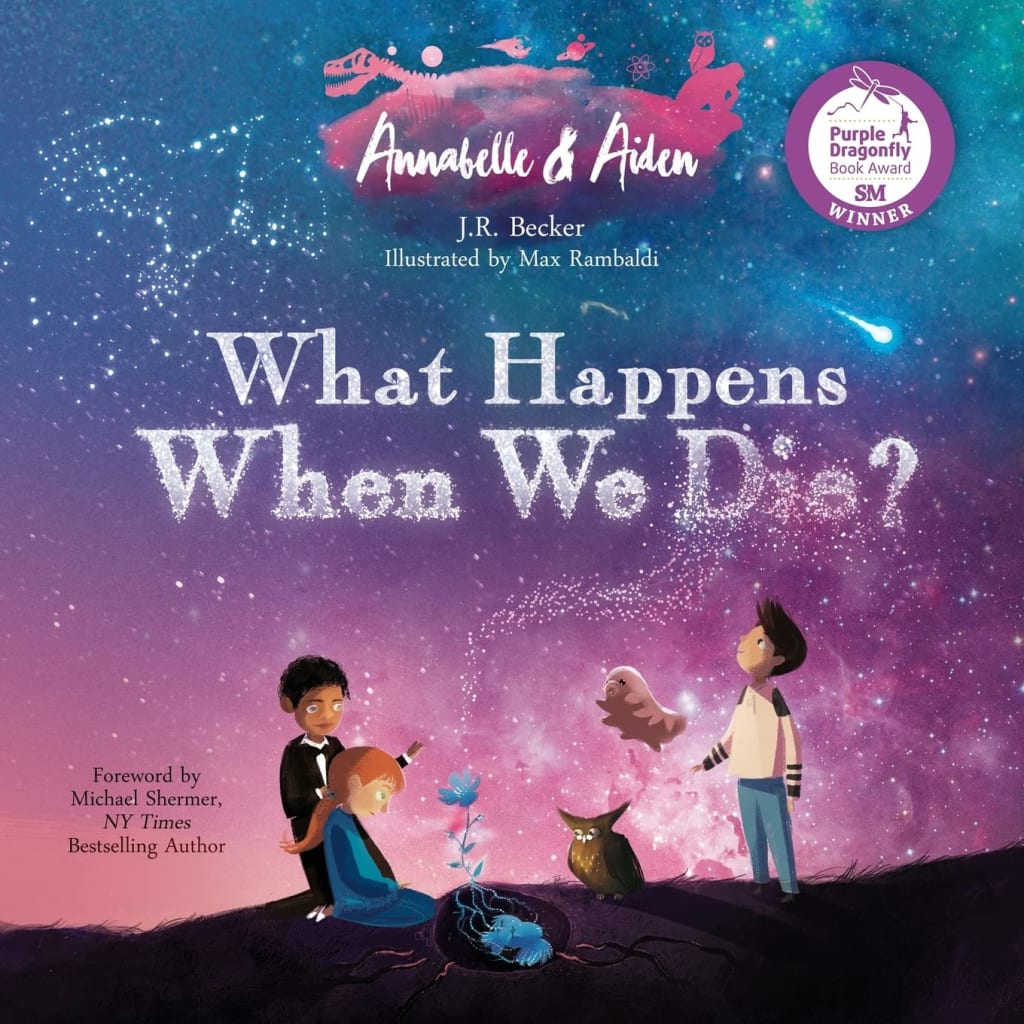
What Happens when we die?
Introducing a groundbreaking study on the mysteries surrounding death, the focus is on understanding what happens to our brains when we die. The research suggests that rhythmic brain patterns near the time of death may trigger memory recall of significant life moments. The co-author, a neuroscientist and assistant professor at the University of Louisville, joins the discussion to shed light on these findings challenging our conventional understanding of the end of life.
The accidental nature of the study is highlighted, originating from a patient with a subdural hematoma undergoing brain surgery. The patient's development of seizures and subsequent cardiac arrest led to the first-ever recording of a dying human brain. This unique occurrence provides a rare opportunity to explore the intricacies of brain activity during the critical moments of death.
Drawing parallels to near-death experiences, the co-author discusses the recorded brain activity, emphasizing the need for caution in making broad statements based on a single case. The intriguing aspect lies in the similarity between the brain waves of the dying patient and those observed in individuals undergoing near-death experiments, hallucinations, and memory flashbacks.
The study challenges the conventional concept of death linked solely to the cessation of heart activity. Recording brain waves 30 seconds after the heart stops beating prompts a discussion on the potential implications for understanding the timing of death and its relevance to organ donations. The co-author introduces the idea of comparing EKG and EEG data to determine whether heart or brain activity truly determines the time of death.
Dr. Ajmal Zemmar reflects on the accidental nature of the recording and expresses hope for future research. The intention is to explore similar cases, inviting collaboration from other scientists to collectively analyze and gain further insights. The implications extend beyond scientific curiosity, touching on the profound and universal questions surrounding the nature of death and the experiences individuals may undergo during this transition.
Continuing from the exploration of the intricate process of death and its aftermath, the phenomenon of rigor mortis, or "body stiffening," occurs within 3-6 hours after death. During this time, the deceased's cells, deprived of energy sources, release calcium into the muscles, resulting in involuntary tension and muscle stiffness that lasts for 24-48 hours. As the body undergoes this transformation, the skin takes on the pallor of death due to reduced blood flow through the blood vessels.
In the absence of proper embalming, the slow process of decomposition begins. Dead cells accumulate, and rising carbon dioxide levels cause an increase in tissue acidity, leading to the breakdown of surrounding tissues. Bacteria play a crucial role in breaking down internal organs. Over the years, plants and animals feed on the remains, including bone remnants. If left undisturbed, this natural cycle ensures the complete recycling of every part of the body.
Understanding these physiological changes provides forensic investigators and medical examiners with insights into determining the time of death and the condition of the deceased's body. It also sheds light on the interconnected web of biological processes that unfold after life ceases. This exploration delves into the intricate stages of the body's post-mortem journey, showcasing the scientific aspects of what transpires as the human form undergoes its inevitable return to the elements.
In summary, the study opens a dialogue on the complexities of death, challenging established notions and prompting a reevaluation of the factors determining the end of life. The accidental recording of a dying human brain offers a glimpse into unexplored territory and raises profound questions about consciousness, near-death experiences, and the moments leading to death. The ongoing research holds promise for expanding our comprehension of this enigmatic transition from life to death.
About the Creator
Keep reading
More stories from Genanew Mulugeta and writers in Humans and other communities.
9 Tips for a better study
9 Techniques for effective scientific Study Embarking on the academic journey, the quest to study efficiently rather than extensively is a common pursuit. Unveiling scientifically-backed study tips that lead to academic excellence is the focal point of this discussion. Research underscores the effectiveness of shorter, spaced study sessions compared to lengthy cramming, aligning with principles observed in various skill acquisition endeavors, from sports to artistic pursuits.
By Genanew Mulugeta2 years ago in Education
The Angry Man in Your House
"If you grow up with an angry man in your house, there will always be an angry man in your house" This statement has caused plenty of controversy online, people say its a statement that blames victims while also undermining those who break traumatic cycles to form health relationships... but if I'm honest now that I'm in my 30s it makes more sense to me than ever, and I'd argue that its not just about fathers and uncles.
By S. A. Crawford3 days ago in Humans
Super Bowl LX Recap: A Team Called Hawks
Sixty. The Super Bowl turned 60! Still amazes me that this was the sixtieth Super Bowl played in NFL history. It seems like yesterday that I watched Super Bowl XXVII, the first SB I ever watched. The QB who won Super Bowl XXVII has since called a few SBs, and will call next year's game, but that's another story. Super Bowl LX took place at Levi's Stadium in Santa Clara, California, the home stadium of the San Francisco 49ers. However, it was one of their division foes who represented the NFC, as the Seattle Seahawks faced off against the New England Patriots.
By Clyde E. Dawkinsa day ago in Unbalanced




Comments
There are no comments for this story
Be the first to respond and start the conversation.