
What drives people to seek revenge?
Revenge is a complex human emotion that has been explored throughout history in literature, film, and television. It is an act of retaliation against someone who has wronged us, and it is driven by a variety of factors, including feelings of anger, hurt, and injustice.

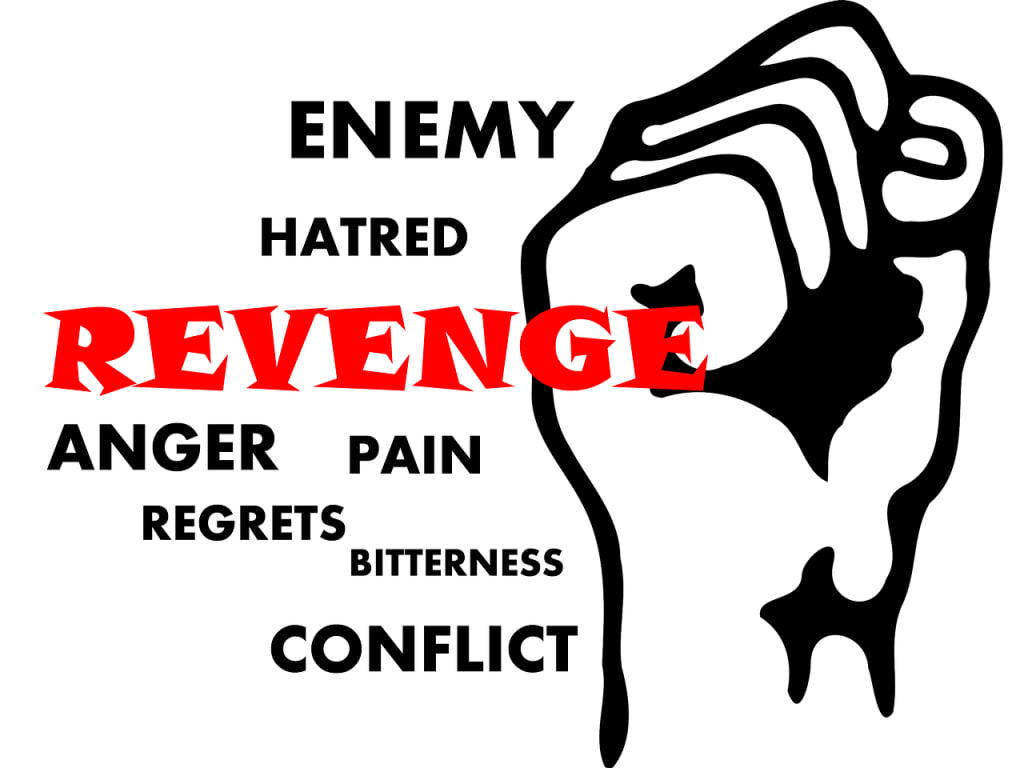
Revenge is a complex human emotion that has been explored throughout history in literature, film, and television. It is an act of retaliation against someone who has wronged us, and it is driven by a variety of factors, including feelings of anger, hurt, and injustice. In this article, I will explore what drives people to seek revenge and why this may not always be the healthiest response.
Firstly, revenge is often driven by a need for justice. When someone has been wronged, they may feel that it is their duty to seek retribution on behalf of themselves or others. This need for justice is a powerful driving force that can lead people to take extreme actions, sometimes at great cost to themselves and others. For example, in the case of a violent crime, the victim's family may seek revenge against the perpetrator, feeling that the justice system has not adequately punished them.
Secondly, revenge may be driven by feelings of hurt or pain. When someone has been emotionally or physically hurt by another person, they may feel a strong desire to hurt that person in return. This desire for revenge can be particularly powerful when the person who has been hurt does not feel that they have received an apology or acknowledgement of the harm done to them. Revenge can provide a sense of closure for these individuals by allowing them to take back some control over the situation.
However, revenge can also be driven by more negative emotions such as envy or jealousy. In some cases, people seek revenge because they feel that they have been wronged in some way by someone who has achieved more success or happiness than they have. This kind of revenge is particularly dangerous because it is often motivated by feelings of inadequacy or low self-esteem. Rather than addressing these deeper emotional issues, revenge becomes a momentary outlet for these negative feelings, often leading to further conflict and unhappiness.
Furthermore, revenge can be used as a form of punishment. In some cases, people seek revenge as a way of punishing someone for their actions. Whether this is a response to a perceived injustice or a deliberate attempt to teach someone a lesson, revenge is often used as a means of exerting control over others. While this may feel empowering in the moment, it can also lead to further conflict and resentment, making it a poor choice for resolving conflicts.
In addiction, individuals pursuing revenge can be consumed by negative emotions, leading to a cycle of violence. Revenge can make an individual become consumed by anger and cut-off from loved ones, leading to depression and social isolation. The thought of revenge can also cause distress on the victim or the community, causing anxiety and fear in fear of retaliation. Avenging should not be considered an impulse decision but should be weighed against its consequences.
Finally, seeking vengeance can cause us to become someone we are not proud of. It requires us to do things that may go against our values and morals. It may also lead us to behave in ways that are harmful to ourselves and others.
In conclusion, revenge is a powerful human emotion that is driven by a variety of factors, including a need for justice, hurt or pain, envy or jealousy, and a desire for punishment. While revenge may provide temporary relief or closure, it is not always the healthiest response to conflict or wrongs committed against us. Instead, it is important to address the root causes of our feelings and work towards healthier ways of resolving conflicts and improving our wellbeing.
About the Creator
Amille Porback
As a French-born and raised individual, my connection to my country's rich history, art, and culture runs deep.
Keep reading
More stories from Amille Porback and writers in Humans and other communities.
The importance of being loved in life.
The importance of being loved in life cannot be overstated. Love is the driving force behind many of our actions, thoughts, and feelings, and it can have a significant impact on our overall mental and physical well-being. Being loved by others is a fundamental human need that affects us on a personal, social, and emotional level. In this article, I will explore the reasons why being loved is so important, and the impact it has on our lives.
By Amille Porback3 years ago in Families



Comments
There are no comments for this story
Be the first to respond and start the conversation.