
What Does Seasonal Self-Improvement Really Mean? (And Why You Should Care)
Discover what seasonal self-improvement means and learn to align your wellness practices with nature's rhythms for sustainable personal growth year-round.

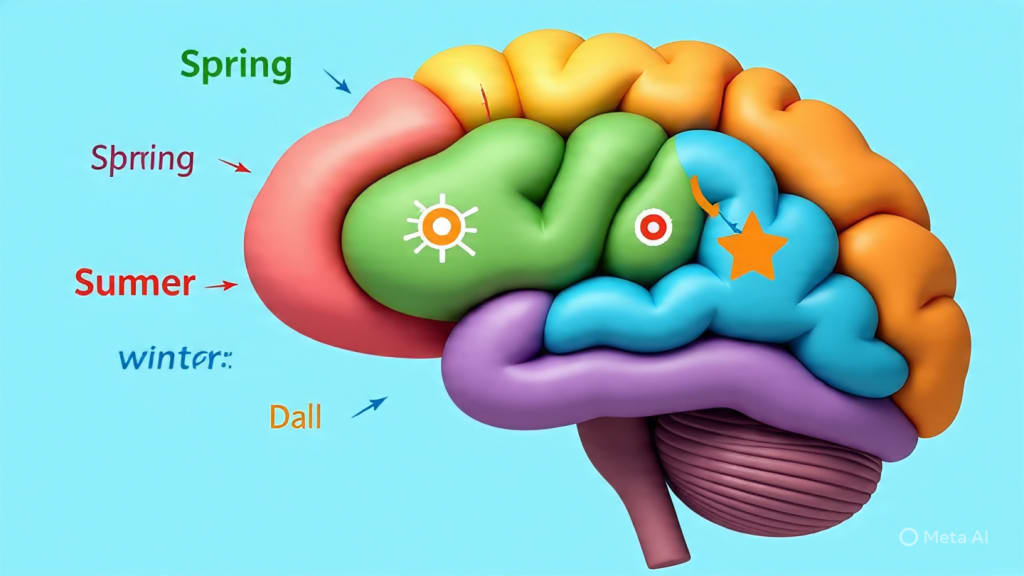
You're standing in your closet, swapping out summer tanks for cozy sweaters, and suddenly it hits you—shouldn't you be switching up your self-care routine too?
That moment of clarity? That's seasonal self-improvement calling your name.
Here's the thing: just like you wouldn't wear flip-flops in a snowstorm, your personal growth strategies shouldn't be one-size-fits-all-seasons either. Seasonal self-improvement is about syncing your wellness practices, habits, and goals with nature's rhythm. It's recognizing that your January self has different needs than your July self—and that's perfectly normal.
Think of it as giving yourself permission to evolve with the calendar. Because honestly, who decided we had to stick to the same routine all year round anyway?
The Science Behind Seasonal Shifts (It's Not Just in Your Head)
Before we dive deeper, let's get one thing straight: seasonal changes affect us on a biological level. Your body produces different amounts of melatonin, serotonin, and vitamin D throughout the year. Your circadian rhythms shift. Even your metabolism changes.
So when you feel more energetic in spring or crave comfort foods in winter, you're not being dramatic—you're being human.
How Can I Align My Self-Care Practices with the Changing Seasons?
This is where things get interesting. Aligning your self-care with the seasons isn't about following rigid rules—it's about listening to what your body and mind actually need.
Spring: The Season of Fresh Starts
Spring energy is all about renewal and growth. This is when you might feel naturally drawn to:
Decluttering your space (and your mind)
Trying new activities that get you moving
Setting fresh goals after winter hibernation
Eating lighter, fresher foods
I remember one March, I spontaneously signed up for a pottery class. Was I good at it? Absolutely not. But something about spring made me crave new experiences, and that terrible ceramic bowl still makes me smile.
Summer: Peak Performance Mode
Summer's longer days and higher energy levels make it perfect for:
Outdoor activities and adventure
Social connections and community building
High-intensity workouts
Productivity sprints on big projects
Fall: Preparation and Reflection
As leaves change, so should your focus:
Reflection on the year's progress
Building sustainable routines for the darker months
Strengthening relationships before winter
Creating cozy environments that support mental health
Winter: Rest and Restoration
Winter isn't about pushing harder—it's about going deeper:
Introspective practices like journaling or meditation
Gentle movement that feels nourishing
Skill-building and learning
Mental health maintenance
Overcoming Seasonal Affective Disorder: When Winter Hits Hard
Let's talk about the elephant in the room: seasonal affective disorder (SAD). About 10 million Americans deal with this yearly, and many more experience milder seasonal mood changes.
Here's what actually helps (beyond just "think positive thoughts"):
Light Therapy
A light therapy lamp (10,000 lux for 30 minutes in the morning) can literally brighten your day—and your mood. It's like giving your brain a gentle wake-up call that says, "Hey, it's time to feel human again."
Movement That Doesn't Suck
Winter workouts don't have to be punishing. Try:
Yoga by a sunny window
Dancing in your living room (yes, really)
Walking during lunch breaks for natural light exposure
Strength training to boost endorphins
The Weighted Blanket Game-Changer
Here's where our product recommendation shines: a quality weighted blanket can be a total game-changer for winter self-care. The deep pressure stimulation mimics a gentle hug, reducing cortisol and increasing serotonin production.
I was skeptical until I tried one during a particularly rough February. Within a week, my sleep quality improved, and I felt less anxious overall. It's like having a portable therapy session that you can use while binge-watching Netflix.
The Mindfulness Connection: Tuning Into Your Seasonal Needs
Mindfulness routines should shift with the seasons too. Your meditation practice in energetic summer might look completely different from your winter contemplation time.
Seasonal Mindfulness Practices:
Spring: Walking meditations to notice new growth
Summer: Outdoor breathing exercises
Fall: Gratitude practices for the year's experiences
Winter: Cozy indoor meditation with warm tea
The key is being honest about what serves you in each season, rather than forcing yourself into practices that feel misaligned.
Habit Change: Working With Nature, Not Against It
Traditional goal-setting advice tells us to power through resistance. But what if we worked with our natural seasonal tendencies instead?
Winter might not be the best time to start that 5 AM workout routine, but it could be perfect for establishing a calming evening ritual. Spring's natural energy surge makes it ideal for habit stacking new behaviors onto existing routines.
I learned this the hard way when I tried to start a strict morning routine in December. By February, I'd given up entirely, feeling like a failure. The next year, I waited until March to implement changes, and they stuck because I was working with my seasonal energy, not against it.
About the Creator
AJ CRYPTO
Storyteller, content creator, and lover of all things digital. Writing my journey, one post at a time."
"Sharing tips on finance, health, and motivation. Passionate about SEO and affiliate marketing. Let's connect!"
Thief In The Night
To the thief in the night that took and replicated what once was mine: Honestly, I feel kind of bad for you. It’s funny, because we hardly know each other. I only know of you through the magazines you’ve written and the broadcasts you have televised in the past — as well as through the public mentions of you from your show business connections there.
By Snarky Lisa8 days ago in Humans
How To Navigate Mixed Signals And Avoid Confusing Dating Situations
One of the most frustrating moments in the contemporary dating is mixed signals. They arise when words and actions of a person are not in unison thus making a person confused about their intentions. An illustration is that an individual can be interested by sending messages but avoid face-to-face interaction and be enthusiastic today and withdraw the following day. Such discrepancies tend to confuse the singles regarding their position with regard to the relationship.
By Robert Smith3 days ago in Humans
Hottest in the Office
Dear Rafi, You’re very distracting to work around. For the first second I saw you the other day, I thought you were some type of executive. It took a moment to realize no, you were just the new guy, dressed up for the job he wants. Be still, my heart.
By Gabriel Shames5 days ago in Pride




Comments
There are no comments for this story
Be the first to respond and start the conversation.