
What Did the Groundhog Say and Why We Still Listen Every Year
Every winter, just when the cold feels endless, a small animal becomes the center of national attention.

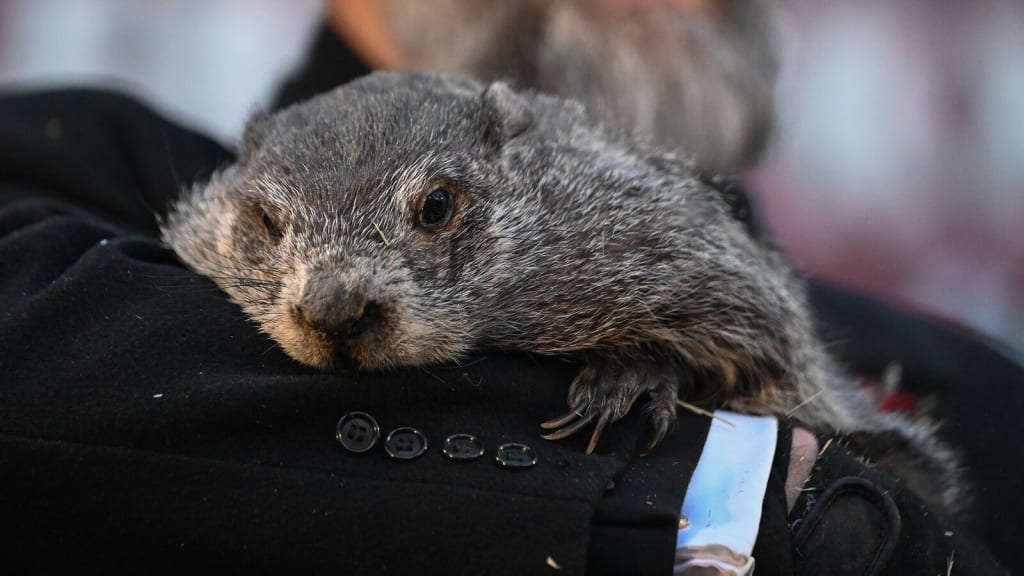
Every winter, just when the cold feels endless, a small animal becomes the center of national attention. Cameras gather. Crowds cheer. Headlines wait. And one simple question rises again: what did the groundhog say? On the surface, it feels playful and harmless. But beneath the jokes and costumes, Groundhog Day carries something deeper. It reflects our shared impatience with winter, our hope for change, and our need for simple rituals that make time feel manageable. This tradition has survived not because it predicts weather accurately, but because it speaks to emotion. This article explores what the groundhog “says,” where the tradition came from, and why people still care, even in a world filled with forecasts and data.
What Did the Groundhog Say: The Simple Answer
The traditional message is straightforward.
If the groundhog sees its shadow, winter will last six more weeks.
If it does not see its shadow, spring will arrive early.
That is the entire prediction. No charts. No details. Just shadow or no shadow.
The simplicity is part of the appeal. It turns something complex and unpredictable, like weather, into a moment anyone can understand.
Each year, people wait for that single outcome, even knowing it is symbolic.
Where the Groundhog Tradition Began
Groundhog Day traces back to European weather lore.
Long before groundhogs, people watched animals and nature for signs of seasonal change. In parts of Germany, hedgehogs were believed to predict weather based on shadows.
When settlers came to North America, they adapted the tradition. Groundhogs were common and visible. The ritual slowly took shape.
Over time, one groundhog in Pennsylvania became the most famous. The ceremony grew, and so did public attention.
The tradition survived because it was easy to repeat and easy to remember.
Why February Feels Like the Right Time
February is emotionally difficult.
Winter excitement has faded. Holidays are over. Cold feels routine instead of novel.
Groundhog Day arrives at a moment when people are tired of waiting. It gives winter a midpoint, even if it is symbolic.
The question, what did the groundhog say, becomes a way to ask something else. How much longer do we have to endure this?
That emotional timing explains why the tradition stuck.
The Groundhog as a Symbol, Not a Scientist
No one truly believes the groundhog controls the seasons.
What people respond to is the symbol.
The groundhog represents patience and observation. It emerges after months underground. Its appearance signals survival through darkness.
When people watch the ceremony, they are not watching an animal predict weather. They are watching a ritual that acknowledges shared fatigue and shared hope.
That emotional meaning matters more than accuracy.
Accuracy and the Question People Keep Asking
Many people ask whether the groundhog is accurate.
Historically, predictions are not reliable. Weather patterns are complex. One animal cannot account for them.
Yet accuracy is not the point.
People continue to ask what did the groundhog say because the answer feels comforting. It offers a narrative, even if it is not precise.
Sometimes, certainty feels better than complexity.
Media, Celebration, and Shared Attention
Groundhog Day has grown into a public event.
News outlets cover it. Social media reacts instantly. Schools and offices mention it casually.
This shared attention creates a sense of connection. People across different places focus on the same small moment.
In a fragmented world, shared rituals feel grounding.
The groundhog provides that pause.
Humor and Lightness in the Middle of Winter
Winter can feel heavy.
Cold weather limits movement. Darkness stretches longer. Energy dips.
Groundhog Day brings humor. Costumes, jokes, and playful commentary soften winter’s edge.
Asking what did the groundhog say becomes a lighthearted way to engage with the season instead of resisting it.
Laughter helps winter feel shorter, even when temperatures do not change.
Why People Remember the Answer, Even Briefly
Most people forget the groundhog’s prediction within days.
Yet the moment itself sticks.
People remember watching it. Talking about it. Sharing reactions.
The answer matters less than the experience.
That is how rituals work. They create moments rather than lasting outcomes.
Children and the Magic of the Tradition
For children, Groundhog Day feels magical.
An animal predicting seasons feels like a storybook idea. It makes nature feel alive and playful.
Teachers often use the day to talk about seasons, shadows, and time.
These small lessons attach memory to learning.
For many adults, the tradition carries nostalgia because of those early experiences.
What the Groundhog Represents Emotionally
The groundhog represents emergence.
It appears after isolation. It steps into light after darkness.
That image resonates deeply during winter.
People see themselves in that movement. Waiting. Then stepping forward.
The question what did the groundhog say becomes symbolic. Are we closer to warmth? To light? To relief?
Modern Forecasts Versus Old Rituals
Today, weather forecasts are detailed and constant.
Apps update hourly. Satellites track storms precisely.
Yet Groundhog Day remains.
This contrast highlights something important. Humans do not rely on rituals for information alone. We rely on them for meaning.
The groundhog does not replace science. It coexists with it.
Why We Keep Asking the Same Question
Each year, people already know the possible answers.
Yet they still ask what did the groundhog say.
Repetition creates comfort. Predictable structure reduces anxiety.
In uncertain times, predictable rituals matter more, not less.
Groundhog Day offers a familiar script in a changing world.
The Role of Community in the Tradition
Many people celebrate Groundhog Day together.
Small towns host events. Families joke about the outcome.
Even casual acknowledgment builds connection.
Community does not require seriousness. Sometimes it forms around shared silliness.
The groundhog provides a reason to gather, even briefly.
Winter Fatigue and the Need for Hope
By early February, winter fatigue peaks.
People crave signs of change.
Groundhog Day offers hope without commitment. It does not promise warmth tomorrow. It suggests movement.
Hope does not need certainty to function. It only needs possibility.
That is why people care what the groundhog says.
How the Tradition Survives Criticism
Some criticize the tradition as outdated or pointless.
Yet it survives because it adapts emotionally, not logically.
It does not compete with modern knowledge. It complements emotional needs.
People do not defend it with facts. They defend it with affection.
That affection keeps it alive.
Regional Variations and Local Groundhogs
Many regions have their own groundhogs.
Each adds local flavor. Different names. Different ceremonies.
These variations strengthen community identity.
People enjoy seeing how their local prediction compares.
The question what did the groundhog say becomes personal when it feels local.
Rituals as Markers of Time
Humans use rituals to mark time.
Holidays, anniversaries, seasonal events all create structure.
Groundhog Day sits quietly among them.
It marks a shift from deep winter toward anticipation.
Even if the weather does not change, perception does.
That shift matters psychologically.
Why the Groundhog Does Not Need to Be Right
Accuracy would actually change the tradition.
If predictions were always correct, the ritual might feel transactional.
Uncertainty keeps it playful.
The groundhog’s unpredictability allows humor and debate.
Being wrong does not weaken the tradition. It protects it.
Social Media and Modern Participation
Social media has given Groundhog Day new life.
People share reactions instantly. Memes spread quickly.
The question what did the groundhog say becomes a trending moment.
This digital participation extends the ritual beyond physical gatherings.
It allows shared experience across distance.
The Emotional Meaning of Shadows
Shadows play a central role in the story.
Seeing a shadow suggests lingering darkness. Not seeing one suggests light ahead.
This symbolism is powerful.
Shadows represent fear, uncertainty, and delay. Light represents clarity and movement.
The ritual turns abstract emotion into a visible moment.
Why Groundhog Day Endures Across Generations
Many traditions fade as generations change.
Groundhog Day endures because it remains simple.
No special beliefs are required. No background knowledge is needed.
Anyone can understand it in seconds.
That accessibility allows it to pass easily from one generation to the next.
What the Groundhog “Says” About Us
The real message may not come from the animal.
It comes from the people watching.
Asking what did the groundhog say reveals patience mixed with restlessness.
It shows a desire to believe winter will end soon, even without proof.
That desire is deeply human.
When the Prediction Feels Right
Sometimes, the prediction seems to match reality.
An early spring follows a no-shadow year. Or winter lingers after a shadow.
People notice these coincidences.
They add to the charm, even when coincidence is the explanation.
Stories grow from patterns, not accuracy.
Groundhog Day as Emotional Reset
Groundhog Day acts like a pause.
It breaks winter into sections.
Before the groundhog. After the groundhog.
This mental division makes endurance easier.
Large challenges feel smaller when divided.
The ritual offers that division.
Why We Laugh About It Together
Laughing together matters.
Groundhog Day invites shared humor without pressure.
It allows people to acknowledge frustration without complaining.
Laughter becomes a release.
The groundhog becomes a harmless target for winter fatigue.
What Did the Groundhog Say This Really Means
The question carries layers.
Literally, it refers to a shadow.
Emotionally, it asks about patience, endurance, and hope.
Culturally, it reflects a desire for shared moments.
That depth explains why the question persists.
The Future of the Tradition
Groundhog Day will likely continue.
Its form may shift. Coverage may change.
But the core remains. A small moment. A simple question.
As long as winters feel long, people will keep asking.
Conclusion: Why the Question Still Matters
What did the groundhog say is not about weather.
It is about how people cope with waiting.
It is about turning uncertainty into ritual.
It is about finding lightness in cold seasons.
Year after year, the groundhog emerges, and people watch, knowing the answer will not change much.
Yet they ask anyway.
Because sometimes, hope does not need accuracy.
It just needs a moment.
About the Creator
Muqadas khan
Hi! Welcome to my Vocal page. I’ll be sharing fresh articles every day covering stories, ideas, and a bit of inspiration to brighten your feed. Thanks for reading and supporting daily writing! 📖💫
Keep reading
More stories from Muqadas khan and writers in Humans and other communities.
Heidi Klum at the Grammys 2026 and the Weight of Reinvention
Award shows are rarely just about awards. They are about memory, image, and the quiet pressure of being seen again. When people search for Heidi Klum Grammys 2026, they are not only curious about what she might wear or whether she will appear. They are looking for a moment. A return. A statement that time has passed but presence remains. Heidi Klum has spent decades moving between fashion, television, and public expectation. Every appearance carries history with it. This article explores why the idea of Heidi Klum at the Grammys in 2026 matters, what her past red carpet moments say about her evolution, and why her visibility still holds emotional weight in a culture that rarely allows women to age publicly without judgment.
By Muqadas khana day ago in Humans
Cabin Fever Because of Snow, Sleet, and Freezing Rain That Turned to Icy Roads
What Is Cabin Fever? The short answer is that cabin fever is restlessness from being in a confined area. Cabin fever is the distressing irritability or restlessness experienced when a person or group is stuck at an isolated location or in confined quarters for an extended time. Research shows that prolonged cold, gray skies, and being stuck indoors can trigger mood shifts similar to “winter blues.”
By Margaret Minnicks3 days ago in Humans
How Emotional Release Affects Physical Balance.
Emotions are powerful forces that shape how we think, act, and experience life. While their psychological impact is widely acknowledged, their effect on the body is equally profound. Unprocessed emotions can manifest physically, altering posture, movement, and overall balance. Understanding this connection offers a path to improved health, coordination, and wellbeing.
By Wilson Igbasi2 days ago in Humans


Comments
There are no comments for this story
Be the first to respond and start the conversation.