
Was Jessica Radcliffe Really Killed by an Orca? The Truth Behind the Viral Footage
In early 2025, a disturbing video began circulating across social media.

The Shocking Viral Claim
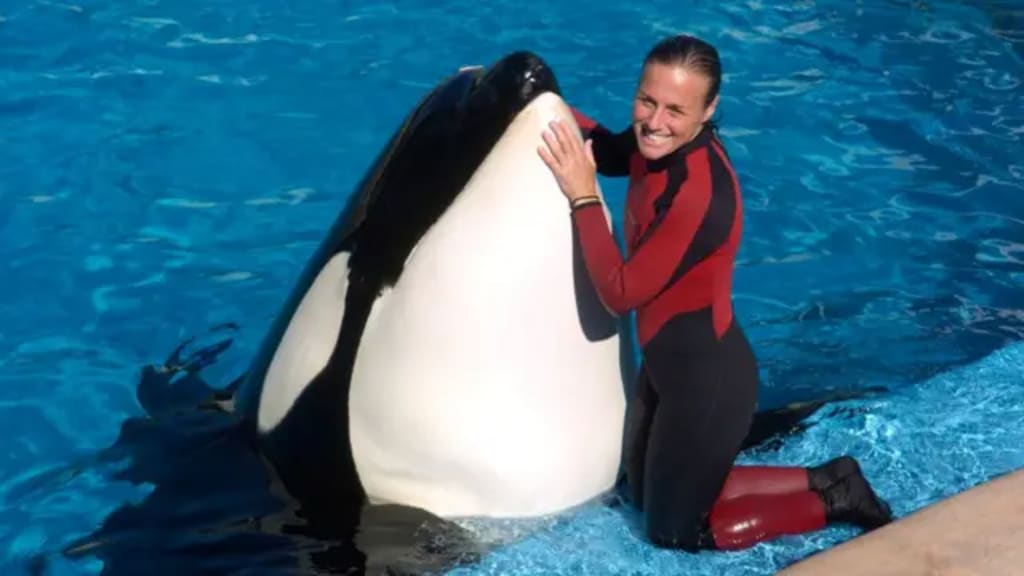
In early 2025, a disturbing video began circulating across social media. The clip seemed to show a young marine trainer identified as Jessica Radcliffe, 23 years old performing during a live orca show at a marine park. In the footage, Jessica is seen riding atop the nose of a massive killer whale, waving to an excited audience. Moments later, the orca suddenly flings her into the water. The scene takes a dark turn as the whale appears to attack her, dragging her under and causing chaos among the crowd.
Accompanying captions told a chilling story: Jessica Radcliffe, a beloved trainer, had been killed on stage by the very animal she trained. Some posts even claimed that the orca was triggered by “menstrual blood in the water,” a lurid detail designed to provoke strong emotional reactions.
The video racked up millions of views in days. People expressed grief, outrage, and fear. Hashtags related to Jessica Radcliffe trended worldwide. Many assumed this was yet another tragedy in the long, controversial history of killer whale performances.
But there was one major problem: none of it was real.
How the Truth Came Out
When the video began gaining attention, journalists, marine experts, and fact-checkers started investigating. The first red flag was the absence of any credible news coverage. A real-life death during a marine park performance would have made immediate headlines around the globe. Yet no such reports existed.
A search for “Jessica Radcliffe” in connection to marine parks, animal training, or obituaries produced nothing. There was no record of her employment, no statement from family, no mention from workplace colleagues. Even the park mentioned in some posts—sometimes called “Bluecrest Marine Park” or “Sealand” could not be found in any official registry.
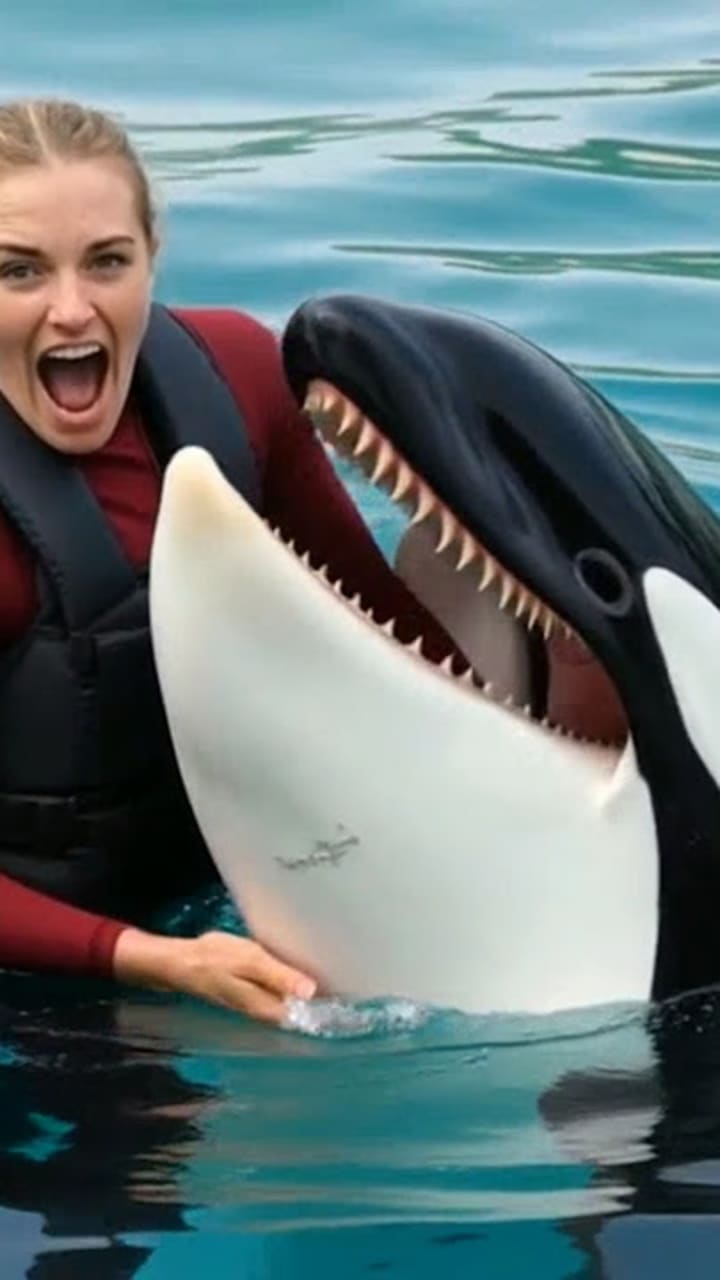
Digital forensics experts then examined the video closely. They spotted telltale signs of artificial generation:
- Background crowd members repeating identical motions.
- Oddly rendered facial features and lighting inconsistencies.
- Audio that didn’t match natural crowd noise.
- Slightly unnatural body movements in both the trainer and the whale.
These clues pointed to a likely source: AI-generated video blended with existing marine park footage.
The truth was now clear Jessica Radcliffe was a fictional character. The park was fictional. The “attack” was an AI fabrication stitched together to look authentic.
The Real Events That Inspired the Hoax
Although the Jessica Radcliffe incident was fake, it resonated because real tragedies have occurred in marine parks. Several high-profile cases have left deep scars in public memory.
- Dawn Brancheau (2010): A senior SeaWorld trainer in Orlando, Florida, was killed by Tilikum, a performing orca, during a show. The whale pulled her into the water and prevented her from resurfacing. This event became a central focus of the documentary Blackfish, which sparked global debate about keeping killer whales in captivity.
- Alexis Martínez (2009): A trainer at Loro Parque in the Canary Islands died during a rehearsal when an orca named Keto attacked him underwater.
- Keltie Byrne (1991): A marine biology student and trainer at Sealand of the Pacific in Canada drowned after being pulled under by orcas, including Tilikum.
These real incidents, tragic and well-documented, likely served as the emotional blueprint for the hoax. By borrowing details from history, the creators of the fake Jessica Radcliffe story made their fabrication more believable.

Why People Believed It
Several factors contributed to why millions believed the Jessica Radcliffe hoax without questioning it.
Emotional Shock Value
Humans are wired to react strongly to threats and tragedies. A young woman’s violent death in front of an audience is the kind of story that provokes immediate empathy and horror.
Familiarity
Because people are already aware of real orca-related fatalities, the fictional story fit into an existing mental framework. It felt plausible.
High-Quality AI Imagery
The video was crafted with advanced AI tools capable of creating lifelike movement, expressions, and environments. The average viewer could not distinguish it from authentic footage.
Sensational Details
Elements like the “menstrual blood” claim were designed purely for shock. Such details spread rapidly because they spark conversation, disgust, and speculation.
Social Media Algorithms
Platforms like TikTok, Instagram, and Facebook prioritize content that drives engagement. Sensational and emotional posts often outperform factual corrections.
The Dangers of AI-Driven Misinformation
The Jessica Radcliffe hoax is not just an isolated case—it’s part of a growing trend where AI tools are used to create entirely fictional yet convincing narratives. The danger is twofold:
- Erosion of Trust
As more people are exposed to believable fakes, it becomes harder to trust real footage and genuine news reports. Skepticism can quickly turn into cynicism, where nothing is believed.
- Manipulation of Emotions
Hoaxes like this exploit human empathy, fear, and outrage. This emotional manipulation can lead to misinformed opinions, online harassment of innocent people, and misplaced activism.
Lessons for Viewers
The hoax offers a few critical takeaways for anyone navigating today’s digital landscape.
Always Verify Before Sharing
Before reposting shocking content, check if credible news outlets are reporting it. If a story of this magnitude has no coverage from established media, that’s a warning sign.
Look for AI Red Flags
- Repeating visual elements in the background.
- Awkward or unnatural movement.
- Audio that feels mismatched or artificial.
- Missing contextual details like location names, dates, or official statements.
Recognize the Emotional Hook
If a post makes you feel an intense rush of outrage, fear, or sadness, pause. Ask yourself whether the content is designed to inform or to provoke.
The Reality of Orcas in Captivity
While the Jessica Radcliffe incident never happened, the ethical concerns around orca captivity are real. Killer whales are highly intelligent, social creatures with complex needs that are difficult to meet in artificial environments. Confinement can lead to stress, aggression, and health problems for both the animals and their trainers.
The real tragedies of Brancheau, Martínez, and Byrne highlight these risks. In the wake of these incidents, some marine parks have changed policies, ending certain types of performances or breeding programs. Public opinion has shifted, with many calling for the complete end of orca captivity.
Why This Hoax Matters
The Jessica Radcliffe hoax may seem like harmless internet drama, but it has broader implications.
- It shows how realistic AI-generated stories can be.
The more convincing these become, the easier it will be for malicious actors to spread falsehoods for political, financial, or ideological purposes.
- It distracts from real issues.
While people debated the fictional attack, important conversations about animal welfare and ethical entertainment were sidelined.
- It normalizes misinformation.
The more often fake stories spread unchecked, the more they become part of the online norm.
Moving Forward
Combating such hoaxes will require a mix of technology, education, and personal responsibility.
- Stronger Content Verification: Platforms must invest in AI detection tools to flag synthetic media before it goes viral.
- Media Literacy Education: Schools and communities should teach people how to evaluate the credibility of online content.
- User Accountability: Every user has a role in slowing the spread of misinformation by thinking critically before clicking “sare.”

Final Thoughts
The Jessica Radcliffe story is a modern digital ghost hauntingly believable, but without substance. It capitalized on our collective memory of real tragedies, our emotional vulnerability to shocking content, and the powerful realism of AI technology.
It’s a stark reminder that in today’s information age, truth is not always self evident. We must dig for it, question everything, and resist the urge to trust what merely feels real. Because as this hoax proved, feelings can be manufactured as easily as facts can be forged.
About the Creator
I Saved My Family from a House Fire
It was November, and it had been just a handful of weeks since I’d moved up to senior school. I was only eleven and wouldn’t be twelve until the following June. I had spent the recent long summer holidays, carefree, happy, and, for the last time, playing with my old friends. But my twin brother and I were both ecstatic to have left junior school far behind us.
By Chantal Christie Weissa day ago in Humans
The Devil's Cut
“Comrade, finally you’re awake.” The voice was smooth, sensual. A flickering incandescent bar was all that lit the white, sterile room. All Vladimir remembered was everything going black. He tried to move his arms and found them strapped to the gurney.
By Matthew J. Fromm5 days ago in Fiction



Comments
There are no comments for this story
Be the first to respond and start the conversation.