
Warren Buffett: The Making of the World’s Greatest Investor and Lessons to Learn
Warren Buffett’s Journey: From Selling Soda to Building a Billion-Dollar Empire

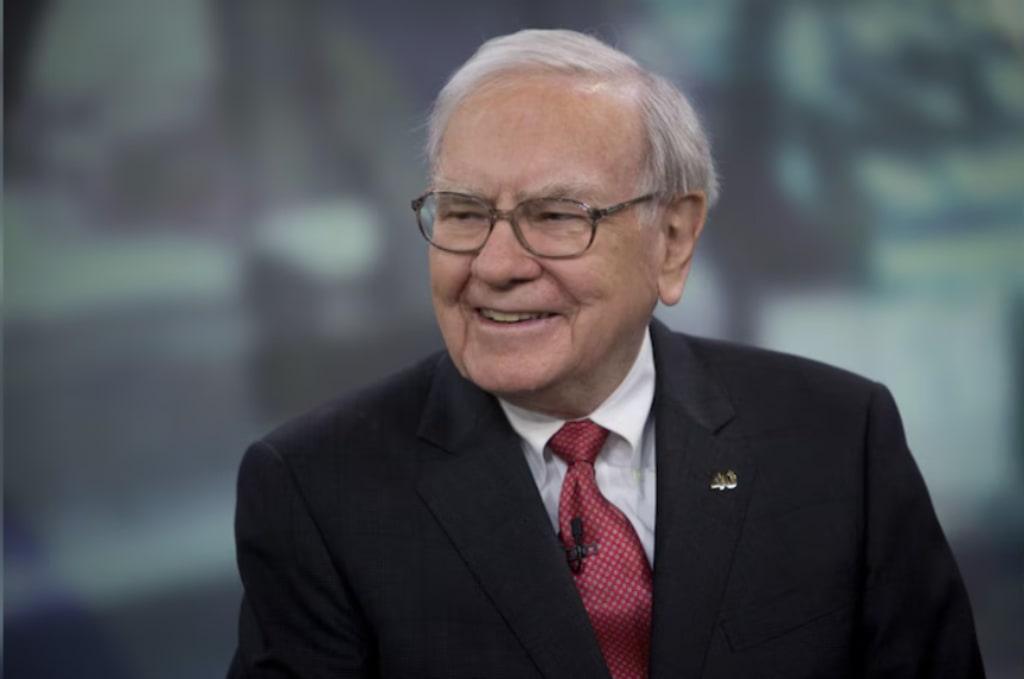
Warren Buffett, widely known as the “Oracle of Omaha,” is one of the most successful investors of all time. With a net worth exceeding $100 billion, he has built a financial empire based on patience, discipline, and a deep understanding of value investing. But Buffett’s story isn’t just about money—it’s about a unique philosophy on life, business, and success. So, how did Warren Buffett become one of the wealthiest and most admired figures in the world? Let’s explore his journey and uncover lessons on how to emulate his approach.
Humble Beginnings: A Boy with Big Dreams
Born on August 30, 1930, in Omaha, Nebraska, Warren Buffett didn’t grow up surrounded by wealth or privilege. However, even as a young boy, Buffett exhibited an entrepreneurial spirit that set him apart. At the age of six, he bought a pack of Coca-Cola bottles for 25 cents and sold each bottle for 5 cents, making a small profit.
By age 11, Buffett had already made his first stock purchase. He bought three shares of Cities Service Preferred at $38 each. When the stock dropped to $27, most people would have panicked—but not young Warren. He held on, and when the stock rose to $40, he sold it, earning a modest profit. Although he later regretted selling too soon (the stock eventually climbed to $200), this experience planted the seeds of his lifelong investment philosophy: patience pays off.
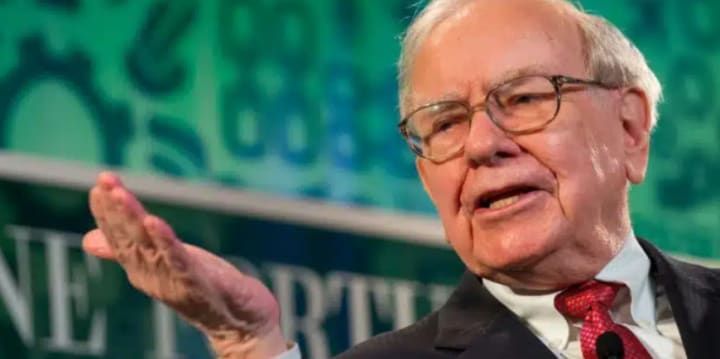
The Turning Point: Buffett’s Education and Mentorship
Buffett’s fascination with numbers and business led him to pursue a degree at the University of Nebraska, where he graduated at just 19 years old. But the real turning point in his career came when he read "The Intelligent Investor" by Benjamin Graham, a book that fundamentally shaped his investment strategy.
Inspired by Graham’s teachings on value investing—the practice of buying undervalued stocks with strong fundamentals—Buffett enrolled at Columbia Business School, where Graham was a professor. There, Buffett honed his skills under Graham’s mentorship and absorbed lessons that would guide him for the rest of his life.
One of Graham’s core principles that Buffett embraced was the idea of treating stocks like pieces of a business. Instead of speculating on stock prices, Buffett learned to focus on a company’s intrinsic value, financial health, and long-term potential. This approach became the cornerstone of his investment philosophy.
The Rise of Berkshire Hathaway
After working briefly for Benjamin Graham’s firm, Buffett returned to Omaha and started his own investment partnership in the late 1950s. By the time he dissolved the partnership in 1969, he had amassed $25 million—an enormous sum at the time.
Buffett’s most famous move came in the 1960s, when he began buying shares of a struggling textile company called Berkshire Hathaway. While the textile business eventually failed, Buffett transformed Berkshire Hathaway into a holding company that owns dozens of highly profitable businesses, including GEICO, Dairy Queen, and BNSF Railway.
Under Buffett’s leadership, Berkshire Hathaway’s stock has grown astronomically, making it one of the most expensive stocks in the world. But Buffett’s genius wasn’t just in identifying undervalued companies—it was in his ability to hold onto great businesses for decades. His philosophy of “buy and hold” has been instrumental in building his wealth.
Buffett’s Secrets to Success
Warren Buffett’s success isn’t just about his investment skills—it’s also about his mindset, habits, and values. Here are some of the key principles that have guided him:
1. Live Simply
Despite being one of the richest men in the world, Buffett still lives in the same modest house in Omaha that he bought in 1958 for $31,500. He doesn’t splurge on luxury cars or extravagant vacations. Instead, he focuses on what truly matters: creating value and making smart financial decisions.
2. The Power of Compound Interest
Buffett often says that the key to his wealth is “compounding.” By reinvesting profits and letting them grow over time, he has turned modest investments into billions. One of his most famous quotes is:
“Someone is sitting in the shade today because someone planted a tree a long time ago.”
3. Invest in What You Understand
Buffett avoids businesses he doesn’t fully understand. He invests in companies with clear business models, strong management, and long-term growth potential. For example, his investments in Coca-Cola, Apple, and American Express reflect his preference for simple, predictable businesses.
4. Patience and Discipline
Buffett doesn’t chase trends or try to time the market. Instead, he waits for the right opportunities and invests for the long haul. His famous advice is:
“The stock market is a device for transferring money from the impatient to the patient.”
How to Be Like Warren Buffett
While not everyone can become the next Warren Buffett, you can adopt his habits and principles to improve your financial success and personal growth:
Start Early: The earlier you begin saving and investing, the more time you give compound interest to work its magic.
Learn Continuously: Buffett spends hours reading every day, from financial reports to books. Commit to lifelong learning.
Focus on Value: Whether in investments or life decisions, focus on long-term value rather than short-term gains.
Live Below Your Means: Wealth isn’t about how much you earn—it’s about how much you save and grow.
Final Thoughts
Warren Buffett’s journey from selling Coke bottles as a kid to becoming one of the richest people in the world is a testament to the power of patience, discipline, and value-driven decision-making. His life teaches us that success isn’t about chasing quick wins or flashy trends—it’s about playing the long game, staying humble, and always looking for opportunities to grow.
As Buffett himself says:
“The best investment you can make is in yourself.”
About the Creator
FinanceLove
Just a guy who like to write about Finance.
Keep reading
More stories from FinanceLove and writers in Humans and other communities.
Mark Zuckerberg: The Extraordinary Journey of a Tech Visionary Who Changed the World
Mark Zuckerberg is a name synonymous with innovation, resilience, and a relentless drive to connect the world. As the co-founder of Facebook (now Meta), Zuckerberg has revolutionized how billions of people interact, communicate, and share their lives. But behind the success lies an extraordinary story of ambition, setbacks, and the pursuit of something greater than himself. This blog delves into his inspiring journey, exploring his path to success and the fascinating details of his life that make him not just a tech mogul, but a symbol of modern entrepreneurship.
By FinanceLoveabout a year ago in Humans
Autonomy Is The Real Privilege
Good morning, freedom-seekers! Today we’re gonna be looking at autonomy. A strange word, I know; one many would probably look at blankly and run away from on sight. We’re gonna figure out what it actually means, consider how it’s achieved, and decipher just how deeply most of us are tangled up in dependence without realising it.
By That ‘Freedom’ Guy4 days ago in Humans
The Hidden Valentine part 1
The First Message The lab was quiet at 2:13 AM, a time when even the fluorescent lights seemed to pause their buzzing, as if they were holding their breath. Maya stood alone beside the server bank, the only sound the faint hum of cooling fans and the soft click of her own heartbeat.
By Ahmed aldeabella2 days ago in Humans




Comments
There are no comments for this story
Be the first to respond and start the conversation.