
War Is Not the Solution to Every Problem
True Victory Lies in Peace, Not in Destruction

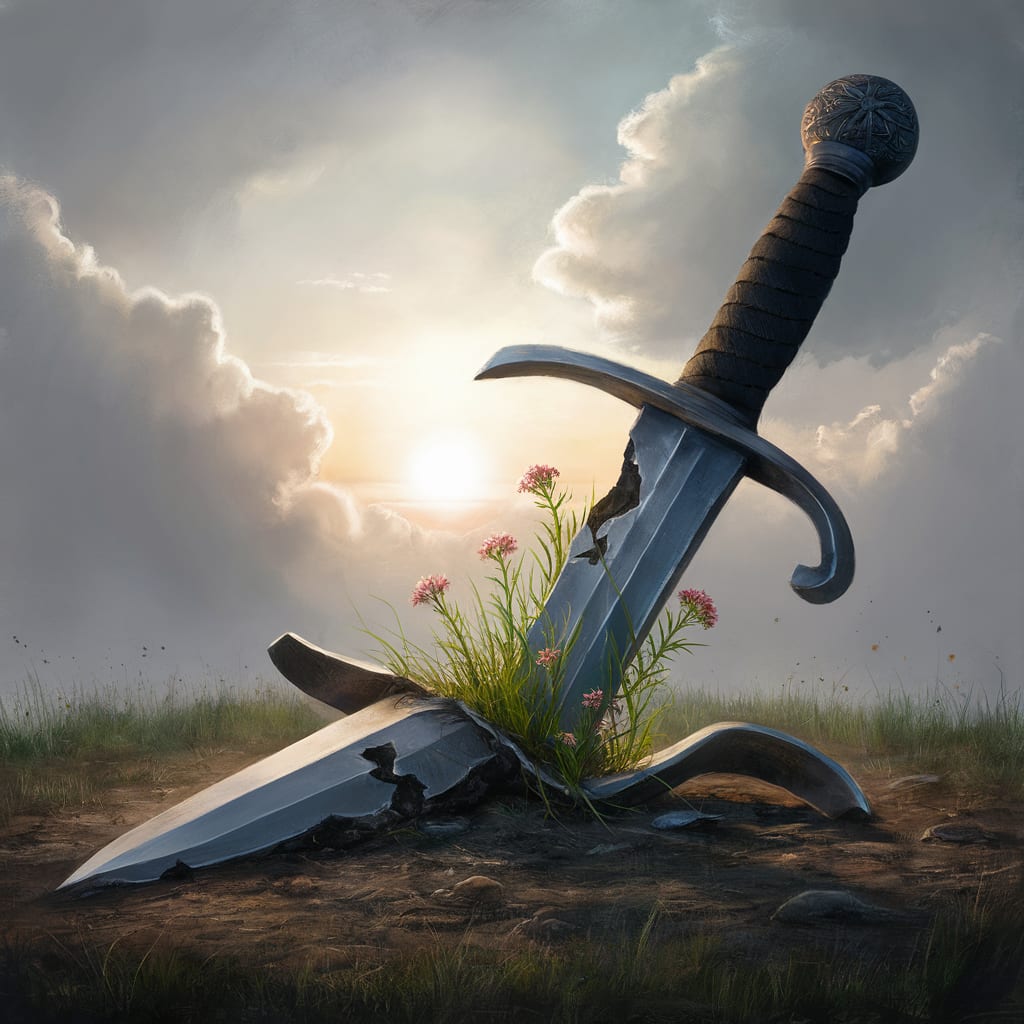
History is filled with stories of kingdoms rising and falling, of nations clashing over borders, power, and pride. And yet, despite centuries of bloodshed, one truth remains unchanged: war has never been the ultimate solution to humanity’s problems. It has redrawn maps, shifted power, and rewritten history books, but it has never healed hearts or built lasting peace.
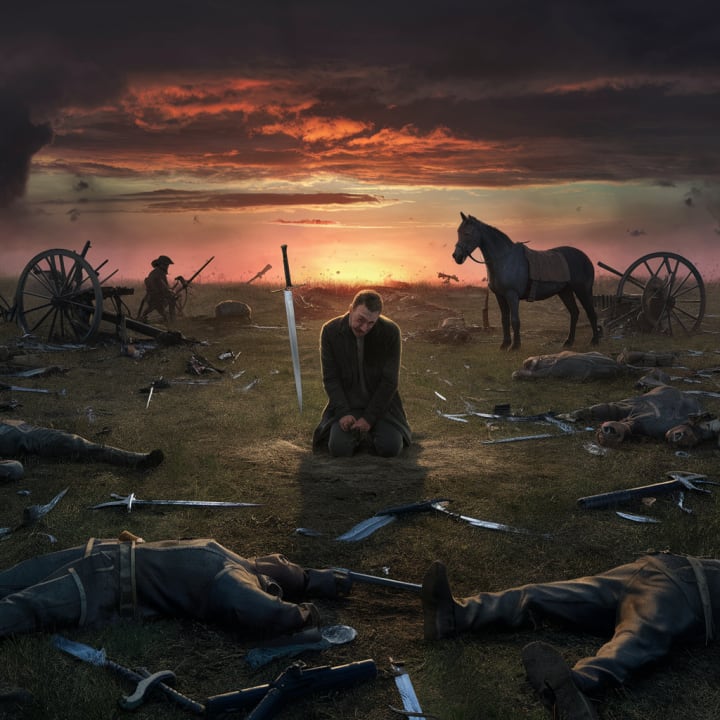
We often glorify war in speeches, in monuments, in tales of bravery. But behind every so-called “victory” lies a trail of destruction, grief, and brokenness that rarely makes its way into the headlines. War might be painted as honorable, but its reality is far from glorious.
The Hidden Cost of War
The real cost of war is never just the money spent on weapons or the strategies of generals—it is measured in human suffering. Innocent people pay the heaviest price for conflicts they never chose.
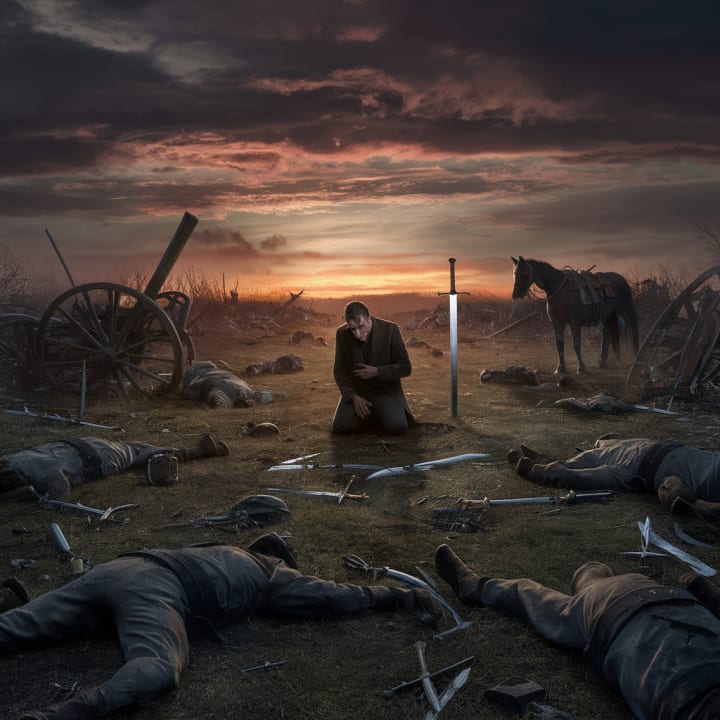
A child grows up without a parent.
A mother clutches the folded flag that covers her son’s coffin.
A family is forced to leave behind their home, their roots, their memories, and flee into the unknown.
Beyond the physical destruction of cities and lands, war leaves behind invisible scars—trauma, broken trust, and generational wounds. Entire communities carry this weight long after the guns fall silent. And when we count the “wins” of a battle, do we ever truly account for the lives forever altered?
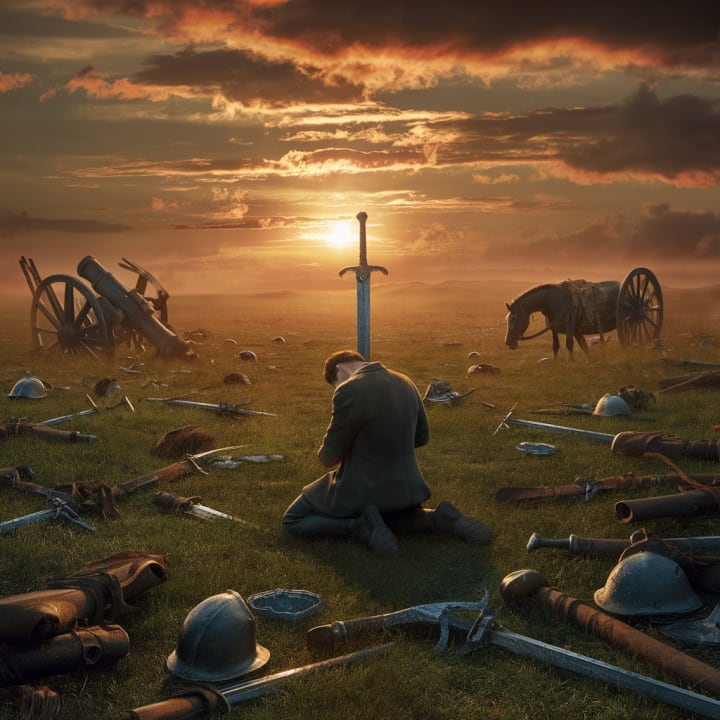
Why War Doesn’t Solve Problems
War, by its nature, is about dominance, not resolution. It silences voices instead of addressing them. It forces one side into submission rather than finding a middle ground. And while it may provide a temporary halt to conflict, the underlying issues remain unresolved, waiting to surface again.
History is proof of this cycle. The First World War was once called “the war to end all wars,” yet just two decades later, the world plunged into an even greater conflict. Why? Because anger, humiliation, and mistrust were left to fester instead of being healed through genuine dialogue.
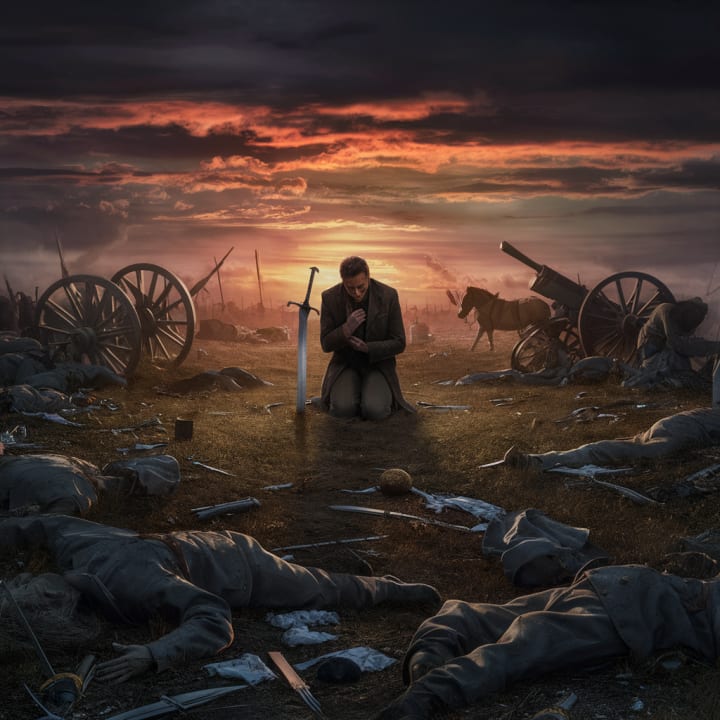
Dialogue Is the Real Victory
Every major war in history has eventually ended not on the battlefield but at the negotiation table. This reality raises an important question: if we must always return to dialogue in the end, why not start there? Why destroy lives, homes, and futures only to arrive at the same conclusion that talking is the only way forward?
Dialogue may not be easy, but it is the only tool that allows both sides to walk away with dignity intact. It does not erase differences, but it allows us to coexist with them.
The Ego That Blocks Peace
Peace often feels impossible not because solutions are unattainable, but because human ego gets in the way. Leaders and nations fear appearing weak. Forgiveness is mistaken for defeat. Compromise is seen as surrender.
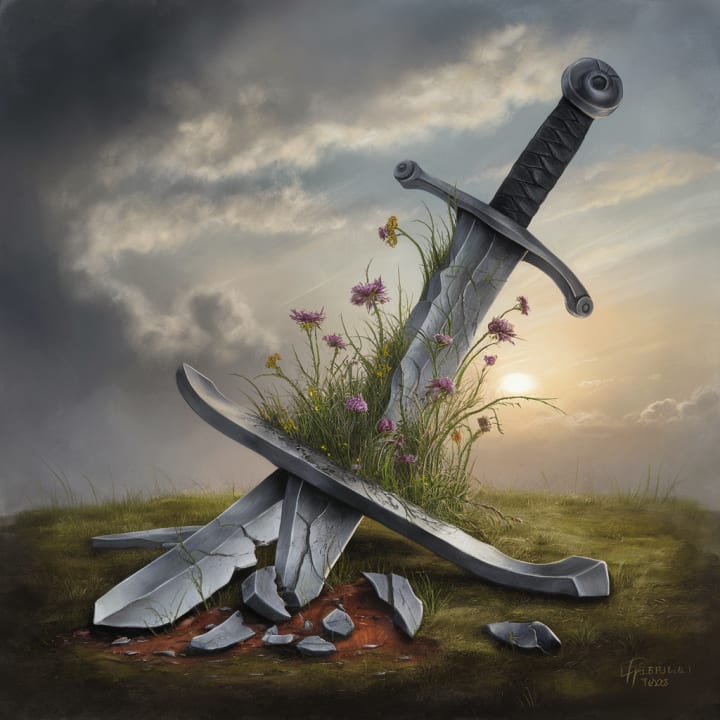
Yet true strength lies in humility. It takes far greater courage to forgive an old enemy than to continue fighting them. It takes maturity to admit mistakes and vision to choose peace over pride. The strongest leaders are not those who command armies, but those who can prevent the need for war in the first place.
The Burden on Future Generations
War doesn’t just destroy the present—it steals the future. Children born into war zones inherit trauma before they even understand the meaning of peace. Their education is disrupted, their safety stripped away, their dreams cut short.
When leaders choose war, they don’t just gamble with their own generation—they gamble with the lives and potential of generations to come. And history shows us that hatred, once sown, is often passed down like inheritance, creating cycles of conflict that can last centuries.
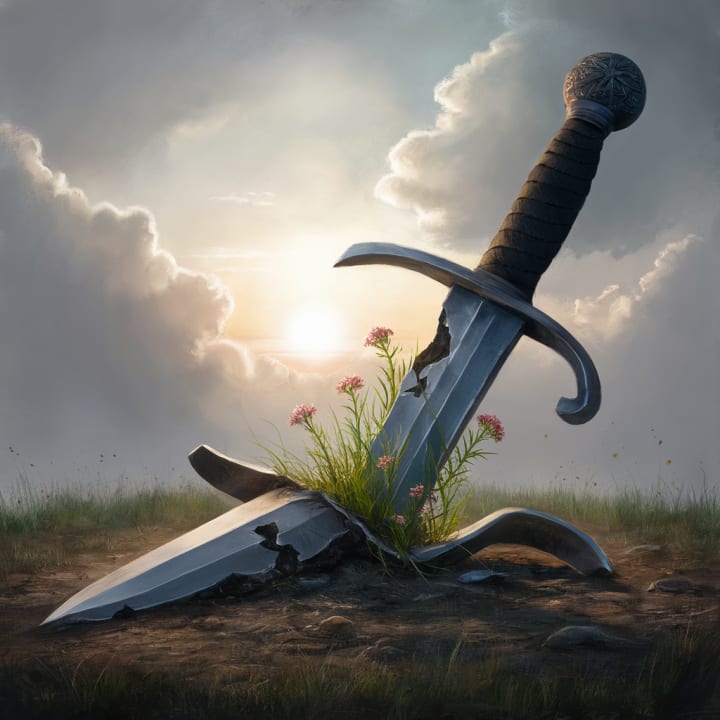
If we want a brighter future, we must teach the next generation the value of dialogue, empathy, and compassion instead of passing on the burden of war.
The Myth of Glory
One of the greatest lies about war is that it is glorious. Statues of warriors and tales of battles often overshadow the silent suffering of civilians. Soldiers are remembered for their bravery, but little is said about the sleepless nights, the PTSD, the loneliness, and the moral injuries they carry for life.
The truth is, war dehumanizes everyone involved. The victor becomes numb, and the defeated are left broken. In such a battle, there are no real winners—only survivors.
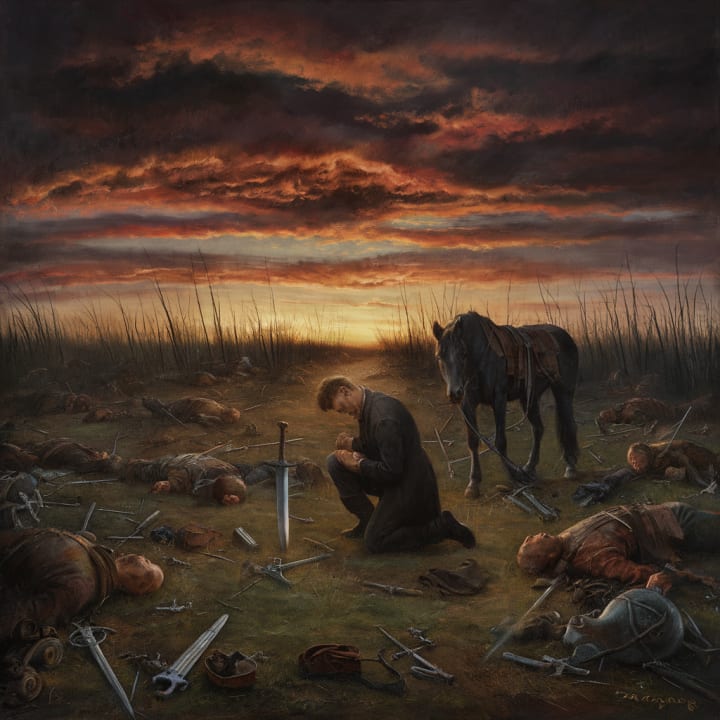
The Final Lesson: Peace Is Bravery
The real question humanity must ask is: what do we want to be remembered for? Do we want our legacy to be endless cycles of war, or the courage to break free from them?
True victory lies not in conquering lands but in winning hearts. Lands may change hands through force, but hearts can only be won through compassion, justice, and dialogue.
It is time to redefine bravery. Bravery is not pulling the trigger—it is choosing not to. Bravery is not holding onto grudges—it is letting them go. Bravery is building bridges where there are walls.
War is not the solution to every problem. The real solution—the only solution—is peace.
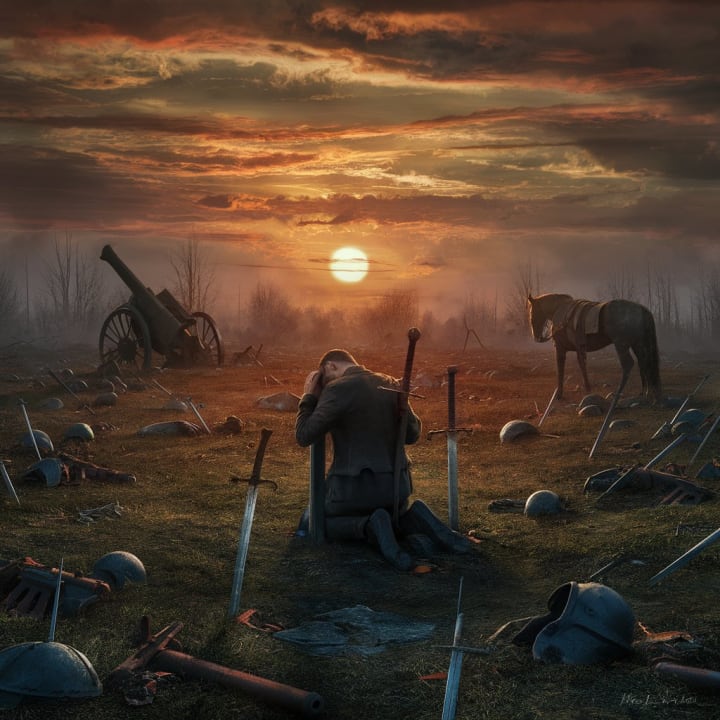
Guns may silence voices loud,
But cannot calm the grieving crowd.
For every war leaves hearts undone,
No battle ends when it is won.
The soil drinks blood, the skies turn gray,
And children lose their chance to play.
If peace is love, and war is pain,
Why choose the fire, and not the rain?
True strength is found in gentle hands,
That build, not break, that heal, not ban.
The bravest hearts will always be,
The ones who fight for harmony.
About the Creator
Nadeem Shah
Storyteller of real emotions. I write about love, heartbreak, healing, and everything in between. My words come from lived moments and quiet reflections. Welcome to the world behind my smile — where every line holds a truth.
— Nadeem Shah
Keep reading
More stories from Nadeem Shah and writers in Humans and other communities.
How Salt Brick Supports Asthma Relief in Senior Living
Breathing should feel easy. In senior living spaces, that isn’t always the case. Many older adults experience asthma or respiratory sensitivity. Air can feel dry. Lighting can feel sharp. Rooms can feel heavy. Design choices matter more than people think.
By Pink salt wall5 days ago in Humans
The Forsyth House Fire
Since 1851, Forsyth House has stood on the corner of Union Street and Gordon Street in the heart of Glasgow. Its iconic, or was... because on Sunday 8th of March, 2026, a fire broke out in a small, seemingly un-named shop in the building and tore all that history down. As I write, the rubble is still unsettled and the street is still blocked off. Central Station is quiet on the upper level, and around 30 small businesses have quite literally gone up in smoke.
By S. A. Crawford3 days ago in The Swamp


Comments
There are no comments for this story
Be the first to respond and start the conversation.