
Vitamins and a cup of tea could be the answer to reviving older brain cells .
Lab results using brain cells from aged rats have given positive signs for a possible anti-aging formula, but more study is needed.

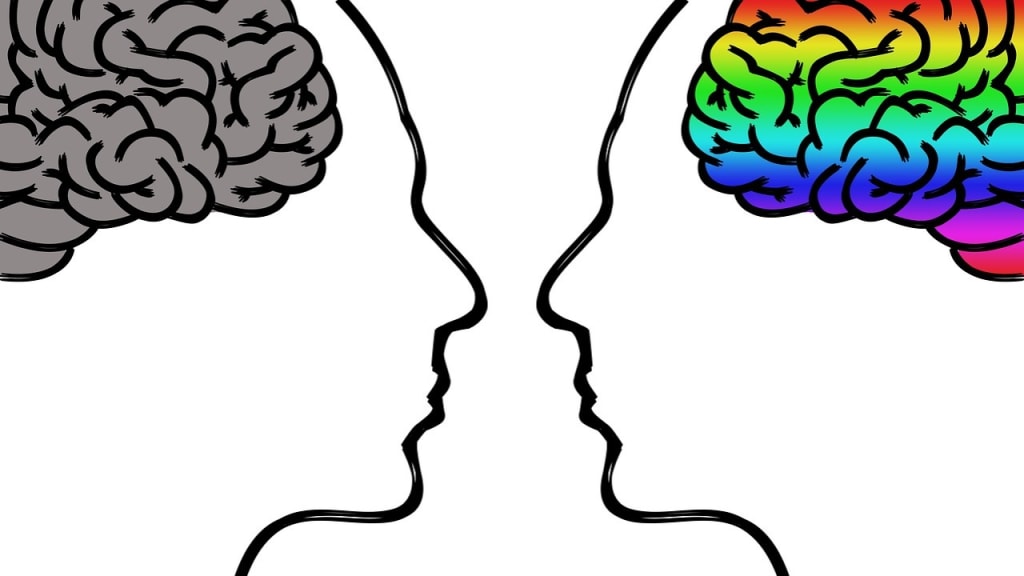
As the cells of the brain age, they reduce their ability to create enough GTP, a molecular energy source that helps in the process of cleaning out waste. In the absence of it, neurons have difficulties removing damaged protein and debris, which can pile up and hinder the proper function of the brain.
As published in GeroScience, old brain cells, even those from mice with symptoms similar to Alzheimer’s disease, could recover their GTP levels after just one treatment. This mix also removed toxic protein clumps connected to Alzheimer’s, plus it made cell survival better by 22% in aged neurons modeled after Alzheimer’s.
How Vitamin B3 and Green Tea Compounds Bring Back the Energy of Brain Cells. Scientists at the University of California, Irvine, found that mixing nicotinamide with EGCG could quickly bring back the lost energy of cells. Nicotinamide raises levels of NAD+, a molecule that helps in supporting cell metabolism and is seen as a precursor for making GTP. EGCG starts Nrf2, which is a cell safety switch that turns on protective antioxidant genes.
Cells were collected from mice of ages 2-6 months, 8-11 months, and 17-28 months. Half were taken from normal healthy mice, while the other half were taken from genetically modified mice that develop symptoms similar to Alzheimer's disease as they age. The biosensor used is fluorescent, and certain neurons were then treated with nicotinamide, EGCG, or both for 16 hours.
ENERGY shows different paths by age and disease. Normal neurons build up GTP in mid-age, then lose it in old age. In Alzheimer's model neurons, the drop starts sooner and is less steep.
This return of energy made something visible happen: the nerves started getting rid of cell junk, including amyloid-beta protein lumps often found with Alzheimer's disease.
It also reduced the buildup of vesicles that take part in waste processing. These are late endolysosomal vesicles marked by the GTPases Rab7 and Arl8b, which pile up under conditions of low energy in old neurons. After treatment, both the number and size of these vesicles went back to their young levels, showing that cellular clearance pathways were normalized.
More study aside, yes, this has limitations. It was carried out in petri dishes of neurons (not the actual living animal) and measured only short-term effects. No information about whether the benefits would be long-lasting in effect, or whether they would apply to the whole organism, has been provided.
The mouse model of Alzheimer's expresses the disease protein at levels much greater than the natural protein. Further studies on dosage, delivery, and safety will be required to validate this finding in live animals before it ever gets near humans.
More work is needed to determine the best way to give this treatment.
This implies that the aging of brain cells is reversible to a greater extent than has ever been assumed. Simple compounds such as vitamin B3 and green tea extract may one day be used in maintaining the health of the brain and supporting cleaning activities that become weak with age.
Disclaimer: This is a summary of the results of a preclinical study conducted on rat brain cells in an experimental model. While the results are promising, they have not been proven to work in live animals or in people.
Conclusion:
This data is not medical treatment and is not to be used for the prevention, treatment, or diagnosis of any disease. Always consult a qualified health care provider before modifying your supplement or healthcare practice, especially one that deals with large levels of vitamins or antioxidants.
About the Creator
Keep reading
More stories from Farida Rahman and writers in Humans and other communities.
She Left Me For A Rich Guy, Look How She Turned Out
I sat back and watched you this weekend. I saw the photos. I saw the smiles. I saw the man you chose over the empire we were building. And for the first time in three years, I didn’t feel a sting of jealousy. I felt a cold, hard sense of irony.
By Nanu Nnabuife6 days ago in Humans




Comments
There are no comments for this story
Be the first to respond and start the conversation.