

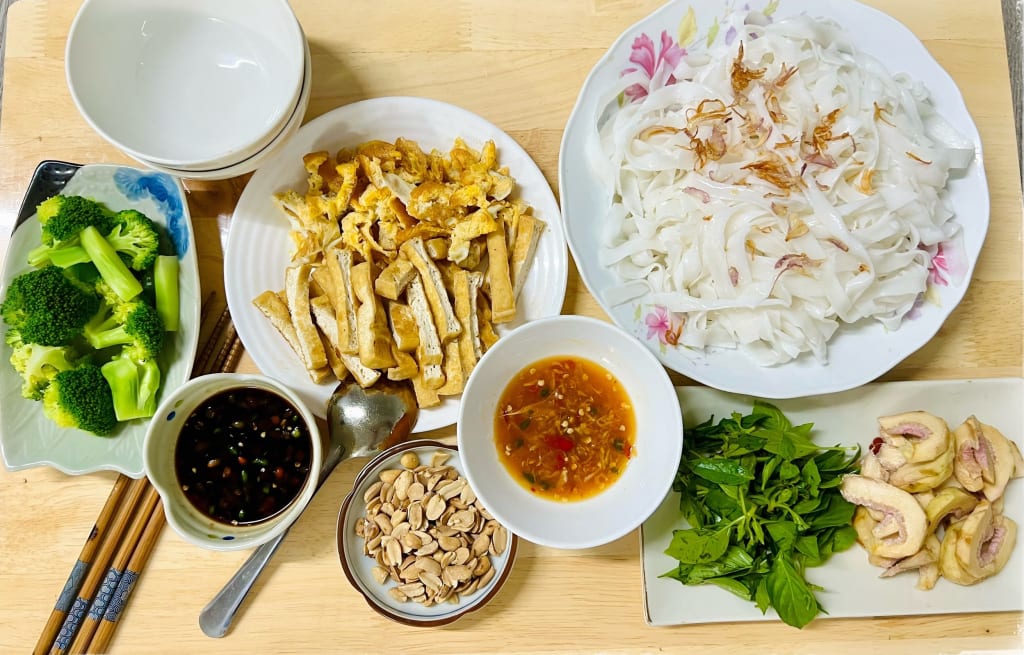
Vegetarianism is the practice of abstaining from the consumption of meat and all by-products of animal slaughter. Vegetarian diets tend to have fewer calories, lower levels of saturated fat and cholesterol, and more fiber, potassium, and vitamin C than other eating patterns. Vegetarians tend to weigh less than meat-eaters and have lower cancer rates (source: NIH News in Health).
Below are the most common types of vegetarianism today (source: webmd.com, healthline.com):
• Lacto-Vegetarian: Do not eat fish, meat, eggs, or poultry but can consume dairy products.
• Lacto-Ovo Vegetarian: Do not eat meat, poultry, or fish but can eat dairy products and eggs.
• Ovo-Vegetarian: Can eat eggs but not meat, poultry, fish, or dairy products.
• Pescetarian: Can eat fish and sometimes dairy products or eggs but not meat or poultry.
• Vegan: Completely eliminate all animal products, including meat, poultry, fish, eggs, dairy, and honey.
• Flexitarian: Mainly vegetarian but occasionally includes fish, meat, and poultry.
People adopt vegetarianism for various reasons, including religious beliefs, health benefits, and ethical considerations to avoid being cruel to animals.
Many people follow dietary restrictions based on their religion.
Ethically, some people choose to avoid meat because they believe it is cruel to animals, reflecting a kind and compassionate mindset.
I graduated in biology, and I think it’s natural for humans to be part of the food chain. Humans are high-level consumers due to their ability to eat various types of food, from plants to animals. I respect everyone's opinions and choices.
I used to love beef and could eat it every day in dishes like Pho, BBQ, and others. My family and friends knew this and always prepared beef when I joined them for parties or meals. I really liked meat. However, one day, perhaps during a crisis phase, I wanted to eat more vegetables. I found that vegetables made my stomach feel better and were easier to digest, whereas meat made me feel tired and indigested. My health was not good at that time, and I lacked energy for digestion and absorption of food.
This prompted me to start developing a habit of vegetarianism. It wasn't easy at first. When my health improved, I tried not eating meat for some days each month but felt hungry and tired quickly, lacking the energy to do anything. I persisted, believing that eating meat was a habit I needed time to change.
Eventually, I realized that my problem was a lack of knowledge about vegetarian nutrition. Once I started researching, I discovered that a vegetarian diet could provide all necessary nutrients. It’s not complex and takes just 10 minutes a day to read about nutrients and replace meat with protein-rich vegetables. A vegetarian diet can be rich in fiber, vitamins, and antioxidants.
Here are some ways to incorporate these nutrients into your vegetarian diet (source: webmd.com, healthline.com):
• Iron: Iron-fortified breakfast cereals, eggs, dried apricots, prunes, soy products, beans, legumes, nuts, or whole grain bread.
• Protein: Tofu, tempeh, edamame, beans, veggie burgers, nut butters, nuts, whole grains, eggs, and amaranth.
• Zinc: Soy milk, eggs, vegetables, yogurt, cheese, nuts, zinc-fortified breakfast cereals, lentils, mushrooms, and wheat germ.
• Calcium: Yogurt, cheese, tofu, edamame, tahini sesame seeds, almonds, almond milk, and leafy green vegetables.
• Riboflavin: Cow's milk, almonds, mushrooms, yogurt, and soy milk.
• Vitamin B12: Soy-based drinks, vegan meats, and some breakfast cereals.
• Alpha-Linolenic Acid (Omega-3): Ground flaxseed, canola oil, flaxseed oil, walnut oil, walnuts, tofu, and soybeans.
I started by not eating meat on special days in the lunar calendar (The 1st and 15th of the month), thinking that two days a month was a reasonable start. I am now in the Flexible Vegetarian Diet phase. Compared with meat eaters, vegetarians tend to consume less saturated fat and cholesterol and more vitamins C and E, dietary fiber, folic acid, potassium, magnesium, and phytochemicals (plant chemicals) such as carotenoids and flavonoids. As a result, they are likely to have lower total and LDL (bad) cholesterol, lower blood pressure, and lower body mass index (BMI), all of which are associated with longevity and a reduced risk for many chronic diseases (source: Harvard Health Publishing).
I have started my vegetarian journey with a fixed breakfast for over a year now: oats, yogurt, and fruits (apple, banana, or watermelon). I really love it.
Thank you,
Huyen (Ms)
About the Creator
Helen Tran
If you open your heart and love someone, surely one day, someone will love you back
Live life to the fullest, and we will find happiness.
Helen Tran (ms)
Keep reading
More stories from Helen Tran and writers in Humans and other communities.
Reed Blankenship: The Quiet Journey From Underdog to NFL Starter
Some football careers begin with national attention and five-star rankings. Others begin quietly, far away from the spotlight. The story of Reed Blankenship belongs to the second path. He was not the most famous recruit. He did not enter college with headlines or huge expectations. Instead, his journey was built on patience, discipline, and years of steady work that few people noticed. Today, fans who watch Reed Blankenship on an NFL field see confidence, intelligence, and determination in every play. But those moments are the result of a long road filled with doubts, small opportunities, and relentless effort. His rise shows that success in football is not always about early hype. Sometimes it comes from persistence, preparation, and the courage to keep chasing a dream.
By Muqadas khan5 days ago in Humans




Comments (1)
Hello Helen Tran. Hello Vietnamese!