
Using Emotional Intelligence To Handle Conflicts And Misunderstandings
Applying self-awareness and empathy to resolve disagreements calmly, improve communication, and strengthen relationship understanding

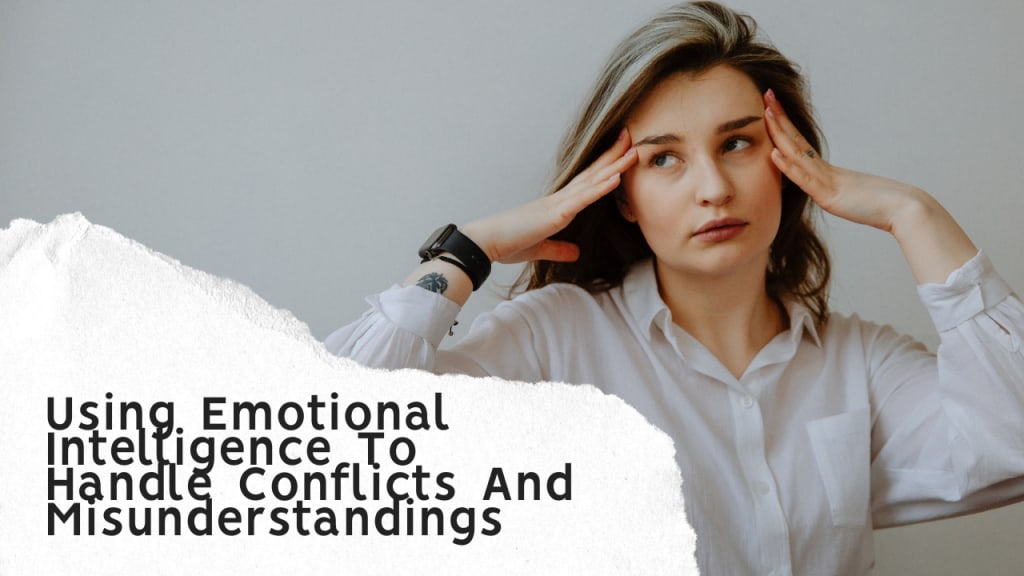
Emotional intelligence is the skill to identify, perceive and control your own emotions as well as the emotions of other people. Emotional intelligence can be used in a conflict or misunderstanding situation to make people react in a calm or well-thought manner instead of reacting on the impulse. Emotionally intelligent people do not allow themselves to be manipulated by anger, frustration, or defensiveness and instead take a moment to evaluate the situation. This awareness will minimise a situation of escalating tension. Through the realization of emotional stimuli and responses, individuals can meet conflict situations with a cool mind and leave some room to discuss the issue and understand each other rather than waste time having to confront each other or creating a barrier between them.
The problem is also not usually the cause of any conflicts but the manner in which the emotions are conveyed in the exchange. EI enables one to know the tone of emotions in words and actions. Acknowledging that the other person is either hurt, anxious, or misunderstood can assist in getting the focus on winning the argument to the resolution of the problem. This attitude promotes understanding and teamwork. Resistance goes down and openness goes up when both parties are emotionally recognized. The conceptualized emotional intelligence as a source of emotional awareness and control gives a solid basis in the management of misunderstanding in a patient, clear, and respectful manner.
Self-awareness and Emotional Regulation.
Emotional intelligence highly depends on self-awareness, particularly in the times of disagreement. It is about being able to be aware of your emotional responses when they occur and knowing what stimulates them. When people realize that they are angry, embarrassed or frightened, they are taught to take a moment before reacting. This is a pausing period so that impulsive words or actions are not done which can make the situation worse. Self-awareness also serves the purpose to clear the personal insecurities against the real problem and perceive the issue more objectively. It is possible to understand internal emotional patterns and have a clear approach to conflict instead of emotional overwhelm.
Emotional regulation in conjunction with self-awareness helps in the process of staying calm when having a hard conversation. Deep breathing, short-term break, or mental re-framing of the situation are some of the techniques that can be used to dampen down the emotion. The emotionally regulated people prefer to respond in manners that assist in resolution, instead of acting defensively and aggressively. This relaxed style of demeanor reduces the tension and makes the other individual retaliate in the same style. The proper management of emotions will provide a secure atmosphere when communicating honestly. With time, emotional self-control will result in trust and enhance connections with others since one is mature and emotionally stable in the challenging times.
Learning to be Empathic and Take Perspectives.
Empathy is the skill to perceive the emotions of another individual and concur with them and hence it is necessary in solving misunderstandings. When a conflict occurs, individuals tend to concentrate on the personal point of view only which may cause the gap to become even wider. Emotional intelligence makes the individuals proactive in thinking about the feelings, intentions, and experiences of the other person. Listening and interruption is useful as it adds emotional meaning to what they say. This strategy minimizes assumptions and defensiveness. When one feels that he/she has been actually understood, he/she will have more chances to cooperate and get involved in seeking a solution collectively.
Perspective-taking extends beyond sympathy as it makes people see the situation as they perceived it. This process is useful in determining how the communication styles, expectations or previous experiences might have contributed to the misperception. Being aware of these aspects will enable both parties to stop blaming each other and move to an understanding point. Empathy also cushions emotional response, which is easier to express oneself respectfully despite the existence of disagreements. Through practicing empathy and perspective-taking regularly, people establish closer emotional bonds and set the environment in which confrontations can be viewed as a chance to learn more about one another instead of a source of tension at all times.
Effective and Positive Communication.
Conflict resolution requires effective communication. Emotional intelligence will enable individuals to articulate their thoughts and feelings truthfully without laying blame and criticism. The reduction of defensiveness through the use of calm language and the use of I statements, like I felt neglected, rather than You neglected me. also helps maintain the discussion on the subject. Constructive communication is also related to remaining precise and avoiding exaggerations or mentioning irrelevant past issues. When the expression of emotions is clear and respectful, the other person will listen and respond in a positive manner as compared to the case where the emotions are defensive and withdrawn.
Active listening is also major in positive listening. This involves attentiveness to the fullest, avoiding distraction, and paraphrasing what the other individual has told in order to understand them. Emotional safety is supported by nonverbal interventions like maintaining eye contact, sitting upright, and using a low-pitched tone. Emotional intelligence motivates the persons to listen in order to understand and not to prepare a counterargument. By making the two feel respected and listened to, the dialogue will be collaborative rather than confrontational. Effective and open communication turns the misunderstandings into the meaningful dialogues that builds trust and respect between the parties in the long-term.
Concentrating on Solutions and Relationship Growth.
Emotionally intelligent people will be problem based in approaching conflict as opposed to winning. They do not think about the possible errors or blame others but find the viable solutions that satisfy both parties. This team work strategy facilitates brainstorming, compromise, and flexibility. When individuals collaborate in achieving a common goal, there is a reduction in the emotional tension and co-operation rises. Seeing conflict as a collective problem but not a personal struggle encourages the team building spirit and enhances the relationship as a whole. Solution-focused approach will also avoid the repetitive misunderstanding and can give confidence to manage the problems in the future.
Conflicts are also good sources of emotional development and attachment. Cognition of what led to the misunderstanding assists individuals to become better with regard to communication patterns and reaction to emotion. Being willing to apologize when it is needed, and to show the gratitude of the fact that the other person is willing to solve the situation, supports trust. In the long run, the ability to resolve conflicts creates emotional strength and understanding. Emotional intelligence transforms conflicts into education processes that enhance emotional attachment. With this developmental approach as opposed to conflict avoidance, people establish relationships that are more flexible, supportive and emotionally safe.
Conclusion
Emotional intelligence as a tool to manage disagreements and misunderstandings will turn difficult situations into relationship and developmental ones. People can overcome conflicts with ease and decency by cultivating self-awareness, control emotions, practicing empathy, effective communication, and solution-oriented thinking. Emotional intelligence decreases defensiveness, fosters empathy and helps solve problems in a collaborative manner. Conflicts instead of ruining relationships are a learning and emotional bonding experience. These skills allow building trust, emotional safety, and resilience and help develop healthy personal and professional relationships with mutual understanding, patience, and effective communication via constant practice.
About the Creator
Robert Smith
Robert Smith, 30, London-based fashion influencer. Sharing street style, luxury trends, and confidence-driven looks that inspire modern wardrobes worldwide.
Keep reading
More stories from Robert Smith and writers in Humans and other communities.
Modern dating lifestyle changes influencing communication, intimacy, and relationship satisfaction
The world of modern dating has been drastically changed over the last few years because of technology, altered social standards, and different priorities. Social media and quick-paced lifestyles have redefined the way people interact and meet, communicate, and sustain relationships, the use of dating apps. Although such changes are convenient with access to a larger pool of partners, they are also accompanied by challenges of maintaining emotional intimacy and satisfaction. The knowledge of the impact of modern dating lifestyles can help people and partners to change their patterns of dating, establish better relationships, and create healthier and more robust relations.
By Robert Smith16 days ago in Humans
At My Wits’ End
Life is about taking out the trash and calling it trash because you have every reason to. It wasn't meant to be linear, they say. But the times you tried to make it straight led to problems, and you didn’t have the tools to put any of it to use. You don't put your right shoes on the right feet; you put the left shoes on the left feet. The grey hardened slab will trip you up anyway.
By Caitlin Charlton5 days ago in Humans
Boundless
A geographical map could take you there. To the places I've been, to the sights I've seen, to the landscapes I've climbed. But no compass could point you in the direction of my memories. To the experiences I've lived, to the happiness I've felt, to the wonder I've held so close to my heart.
By Alyssa Musso2 days ago in Writers




Comments
There are no comments for this story
Be the first to respond and start the conversation.