
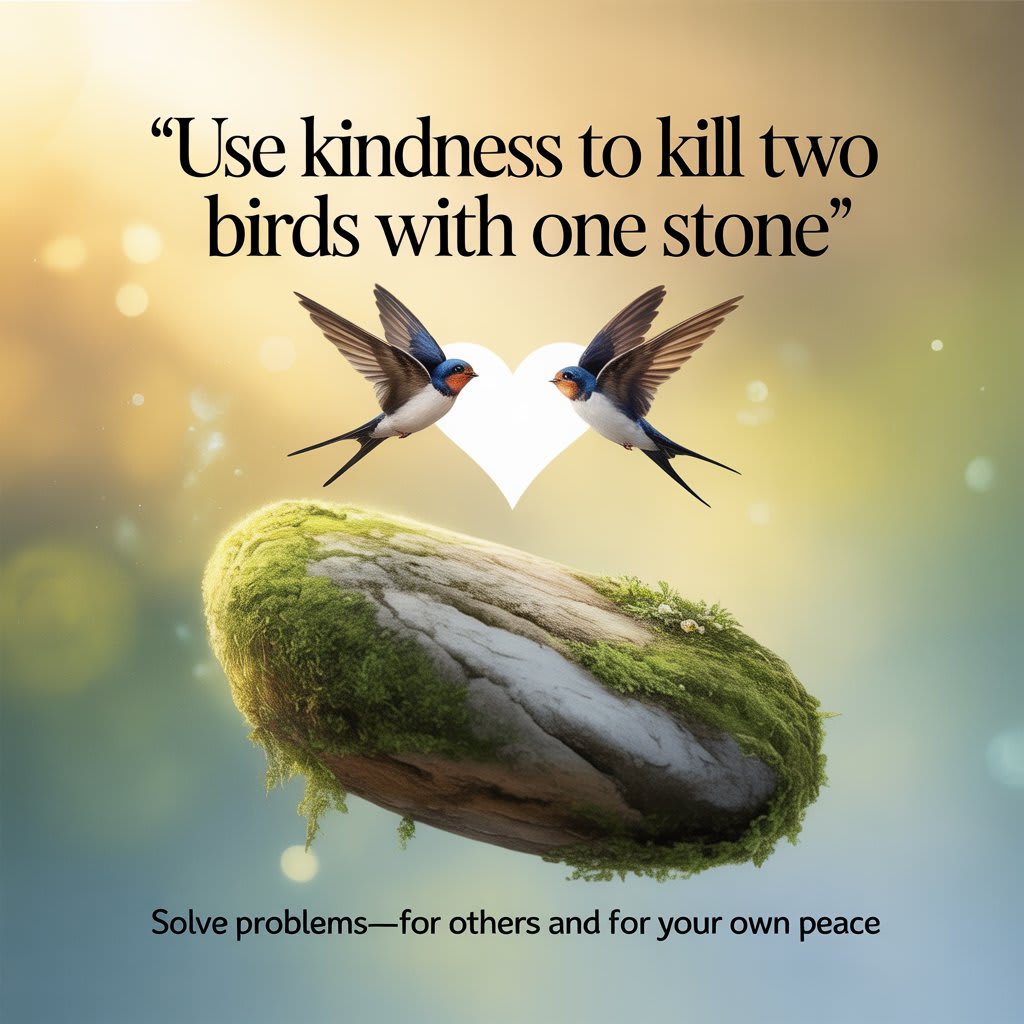
Use Kindness to Kill Two Birds with One Stone
Solve problems—for others and for your own peace.
The afternoon sun dipped low as Marisol stepped into the crowded waiting room, clutching a package of home-baked cookies. Today, she had two missions: comfort her elderly neighbor, Mrs. Nguyen, by sharing a sweet treat at the local clinic—and ease her own restless anxiety that had followed her all day.
Marisol had learned that small acts of kindness ripple outward. She didn't just feel good giving those cookies—her heart blossomed too. Research shows prosocial behavior like this strengthens emotional well-being, lowers stress, improves self-esteem, and fosters deeper social bonds .
She found Mrs. Nguyen seated alone, glancing at the floor. With gentle smile and fresh cookies, she slid into the seat beside her.
“I thought you’d like a few of these,” Marisol said quietly.
At first, the older woman looked startled. Then her face softened into a grateful smile. She took a bite and sighed: “You’re too kind.” Marisol waved it off.
What Marisol couldn’t know was that, as much as this alleviated Mrs. Nguyen’s loneliness, it also eased her own simmering tension. Recent days had weighed on her—late-night worries, professional doubts. Yet reaching out disrupted that inner spiral.
Kindness, psychologists explain, does double duty: helping others while lifting the helper. It releases serotonin, dopamine, and oxytocin—boosting pleasure, reducing anxiety, and promoting trust between giver and receiver.
As they talked, Mrs. Nguyen confessed she’d been lonely since her son moved abroad. Marisol listened—not offering advice, just presence. Research suggests that simply being heard and acknowledged can act as a powerful form of compassion, enhancing both emotional connection and personal peace
Kindness begets kindness. A smile can prompt one in return. One small act often inspires others in the community, creating a chain of goodwill far beyond the initial momeol left feeling lighter than she had in days. Over the next few nights, she consciously practiced small acts—texting a friend to ask how they were, letting a stranger merge in traffic, writing a note to the local shelter. Within a week, she noticed a shift: the world felt kinder, more open, and her own anxious thoughts quieted.
That’s another benefit of prosocial behavior: the internal state changes when it becomes habitual. People who cultivate routine acts of kindness report longer-term improvements in mood, resilience, and physical health, including lower blood pressure and longer lifespan
ReddiOne weekday morning, Marisol’s manager paused at her desk. “Your attitude’s changed—more calm, more engaged. Are you okay?” Marisol didn’t explain at first. But she realized: the ripple had reached her work life too. Her lowered stress, her improved relationships—kindness was delivering on two promises at once.
Three Ways to Kill Two Birds with One Stone Through Kindness
Listen without solving
Offering presence—not advice—can resolve emotional struggle for others and quiet your own racing thoughts . Give tangible kindness
A small gesture, like sharing a snack or a note, meets someone’s need and grants a “helper’s high” that lowers cortisol and boosts oxytocin
Today Practice kindness regularly
Volunteering, checking in on neighbors, or simply helping without obligation fosters emotional stability, better health, and ongoing peace At the end of day, that idiom holds a surprising truth: when you use kindness to kill two birds with one stone, you triage two problems at once—their loneliness, and your own inner turmoil. The stone is a compassionate act. The birds are empathy for others and personal tranquility.
Marisol realized the world didn’t need grand gestures. Rather, it needed invitations—to connect, to care, to pause—and those invitations healed both—the giver and the receiver.
And that, she thought, is the quiet kind of power worth wielding. “Every ending holds quiet grace, releasing space for peace, memory, and the promise of new beginnings.”
About the Creator
Bomb Scare
It was 2027, and the world never thought it would happen. A missle hit the United States, but it wasn't where they had anticipated. A little town in the northeast was hit by a missile strike, they didn't know why, and they didn't know exactly where it hit, but they did know it was a coastal community, somewhere between Maine and Delaware.
By Gregory Paytona day ago in Fiction



Comments
There are no comments for this story
Be the first to respond and start the conversation.