
US Immigrants Issued Advice Ahead of Potential Mass Deportations
Is it a triumphant move or a Trump move?

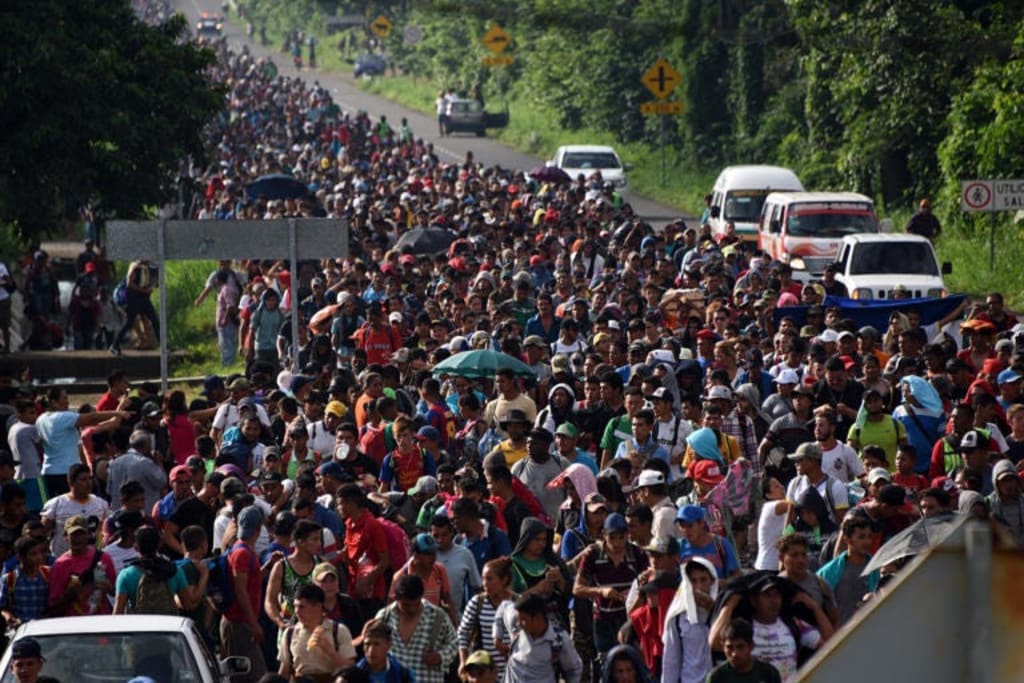
Today, the feeling of not belonging is more than an emotional state - it's a legal reality for millions of people. Immigrant communities in the United States brace for what feels like an imminent storm, as policies threaten to uproot their lives and redefine what it means to belong. The looming mass deportations and attempts to strip birthright citizenship create a sense of displacement not just for the undocumented but for those who were born here, grew up here, and built their lives here. What do you do when even the ground beneath your feet refuses to acknowledge you as its own?
Parents are attending workshops to designate caretakers for their children in case they're taken away. Advocacy groups are scrambling to provide legal aid before the clock runs out. The very existence of constitutional guarantees like the 14th Amendment, promising citizenship to those born on U.S. soil, is under threat. Belonging, in this context, isn't just about finding a home - it's about holding on to the fragile threads of safety and stability in a system that seems intent on unraveling them.
What's New
As the United States braces for President-elect Donald Trump to enact a hard-line immigration agenda, advocacy groups are advising immigrants about their rights and how to take necessary precautions amid heightened concerns over mass deportations. Workshops, such as one hosted by the Coalition for Humane Immigrant Rights in Los Angeles, emphasize strategies such as designating caretakers for children, recognizing the necessity of a judicial warrant, and exercising the right to remain silent.
"We already know this administration," Winston Leiva told participants of a bilingual workshop in Los Angeles for immigrants who want to stay in the United States. "The truth is we don't know to what extent it will affect us."
Why It Matters
Trump made strict immigration measures a core component of his return to the White House. Along with carrying out mass deportations, his second administration's agenda includes ending birthright citizenship for the children of immigrants, which would overturn 120 years of precedent.
This isn't the first time communities have faced such uncertainty. The 1950s saw Operation Wetback, a mass deportation program targeting Mexican immigrants that uprooted families and left communities in fear. Similarly, during the Great Depression, deportations disproportionately targeted Mexican Americans to address economic anxieties, creating a legacy of distrust and vulnerability. These echoes of history remind us that policies intended to enforce borders often cause deep fractures in communities.
What To Know
Amid concerns over the administration's plan to end birthright citizenship, advocacy groups have reassured immigrants of their rights. Hollie Webb, the supervising attorney for Al Otro Lado's Border Rights Project, told Newsweek: "The 14th amendment is extremely clear - it says that 'all persons born or naturalized in the United States' are citizens. The Supreme Court reaffirmed in 1898 that those words mean what they say - if you're born in the U.S., you are a citizen."
Yet, Trump has stated, "We're going to end that because it's ridiculous," during an interview with NBC's Meet the Press on December 8. His border czar, Tom Homan, downplayed the constitutional guarantees of the 14th Amendment, saying, "We'll let the courts decide that on the birthright citizenship."
This debate around citizenship rights mirrors earlier moments in history, such as the restrictive immigration laws of the 1920s, which sought to preserve an idealized racial and cultural identity by limiting who could belong. Such discussions challenge the foundational promise of the United States as a nation of immigrants.
Community Advocacy in Action
Advocacy groups have intensified their efforts nationwide. Organizations like Connecticut Students for a Dream, which supports undocumented youth, recently organized a session in Danbury, Connecticut - a city known for its immigrant community. Residents from Ecuador, the Dominican Republic, and other countries attended to learn about their rights. During the session, organizers emphasized that migrants are not obligated to speak with immigration agents without a judicial warrant. A Facebook post by the group warned, "If you choose to speak, remember not to lie."
Elsewhere, in New Haven, immigrant rights advocates have hosted workshops at local high schools. On the East Coast, the Florida Immigrant Coalition has offered free clinics, assisting thousands of immigrants who may qualify for legal status but lack the resources to secure representation.
These efforts echo a growing urgency. Immigrant rights advocates report a surge in calls from individuals across immigration statuses, including naturalized U.S. citizens. Many worry about how these policies may impact their families, especially U.S.-born children whose parents could face deportation. Families are being encouraged to prepare legal documents, such as powers of attorney, to protect their children and property in the event of separation.
Historical Echoes and Legal Challenges
The fears of today draw stark parallels with the Japanese American internment during World War II, where American citizens were forcibly relocated due to suspicions tied to their heritage. Citizenship, once a cornerstone of identity and belonging, was stripped away in practice. Now, debates over birthright citizenship raise similar questions: Who gets to belong, and who decides?
The U.S. Constitution's 14th Amendment, a bedrock of equality, says: "All persons born or naturalized in the United States, and subject to the jurisdiction thereof, are citizens." However, the administration's stance challenges the clear intent of this amendment, leaving the matter likely to face lengthy legal battles.
Lisa Koop, the National Immigrant Justice Center's national director of legal services, noted, "It feels a little different because we have a clear expectation of what is coming. It is demoralizing that the electorate lived through what happened last time and decided to go back to it."
What Happens Next
With less than a month until his return to the White House, Trump has vowed to launch the largest deportation operation in U.S. history. He is expected to sign a raft of executive orders on "Day 1" of his presidency, targeting mass deportations, enhanced border security, and immigration policy reforms. These include shutting down the CBP One asylum application app, ending catch-and-release, and reinstating the controversial "Remain in Mexico" policy.
The president-elect's aggressive stance on immigration is poised to ignite a wave of opposition. Advocacy groups are preparing legal challenges to counter these measures. For immigrants, the question isn't only about surviving these policies but finding ways to retain their dignity and their homes in a system seemingly stacked against them.
Reflection on Belonging
In moments like these, the teachings of history, law, and philosophy converge. Baldwin reminds us: "You think your pain and your heartbreak are unprecedented in the history of the world, but then you read." The lessons of Operation Wetback, the Great Depression deportations, and restrictive immigration laws of the past remain painfully relevant. They underscore the resilience required to navigate a world that questions the legitimacy of one's existence.
The Bhagavad Gita teaches, "You have a right to perform your duties, but not to the fruits of your actions." Perhaps the fight isn't just for belonging in a physical space but for belonging in a broader narrative - one where dignity, fairness, and equality persist even against the harshest challenges.
For those caught in this storm, the task may not just be to seek belonging but to create it moment by moment. In doing so, they build a future that holds the promise of safety, even when the present feels uncertain.
About the Creator
Ron C
Creating awesomeness with a pen. Follow me at https://twitter.com/isumch
Thief In The Night
To the thief in the night that took and replicated what once was mine: Honestly, I feel kind of bad for you. It’s funny, because we hardly know each other. I only know of you through the magazines you’ve written and the broadcasts you have televised in the past — as well as through the public mentions of you from your show business connections there.
By Snarky Lisa8 days ago in Humans
Co-Living Impacts Dating Dynamics Communication And Emotional Connection Significantly
Dating is greatly affected by co-living, in which couples or partners live together in one house. It brings about quick intimacy and interaction in real life and one gets a chance to learn about routines, habits, and preferences. Shared space brings intimacy as well as it reveals the possible difference of lifestyle including cleaning, schedules, and personal boundaries.
By Mark Hipster6 days ago in Humans




Comments
There are no comments for this story
Be the first to respond and start the conversation.