
Unpacking Dolores Cannon: Her Insights and Her Missteps in Spiritual Exploration

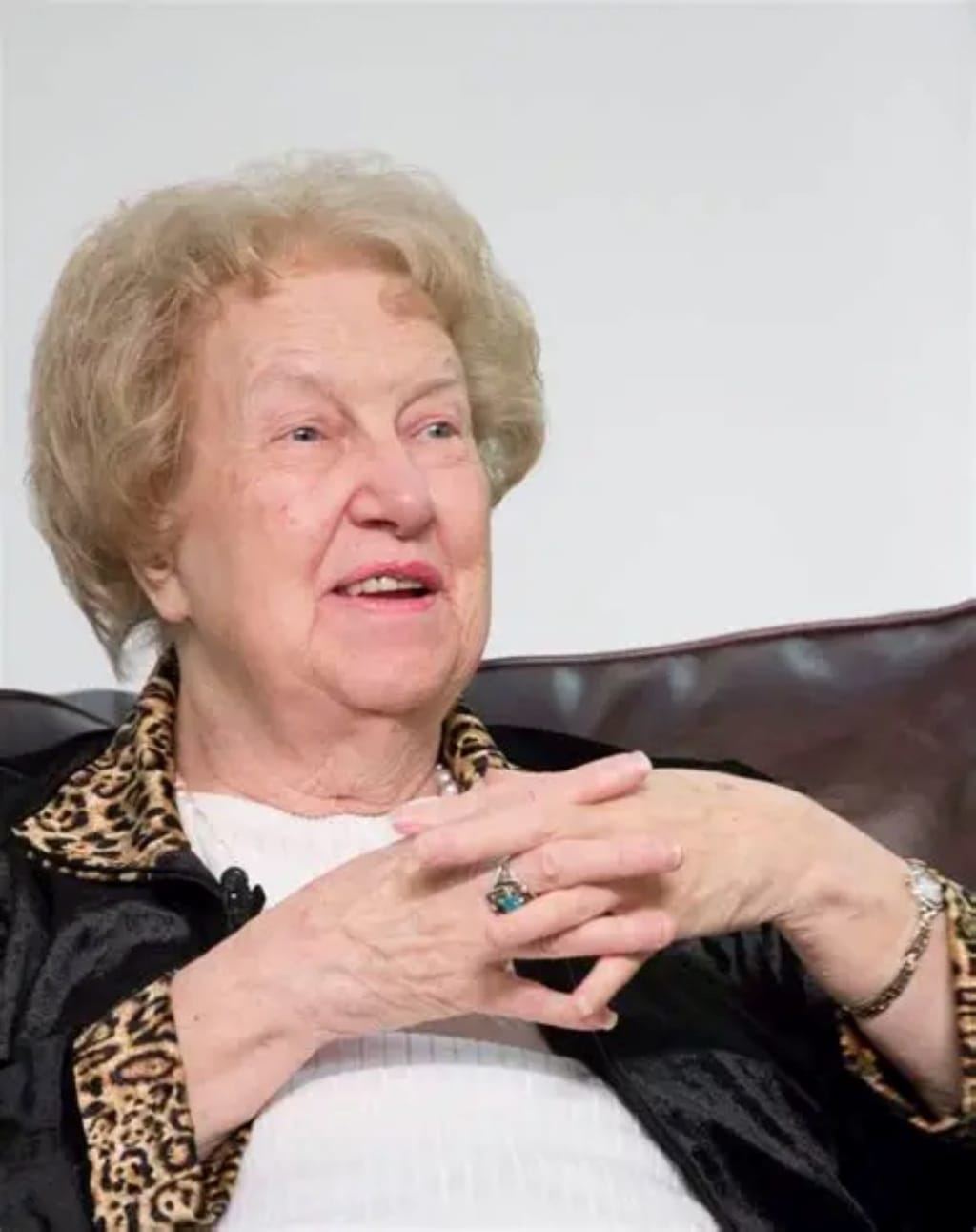
Dolores Cannon is a well-known figure in the field of hypnotherapy and past-life regression, having developed her unique method, Quantum Healing Hypnosis Technique (QHHT). Through her work, she has published numerous books and delivered impactful lectures, touching on themes of reincarnation, the multiverse, and higher consciousness. While many find profound wisdom in Cannon’s teachings, her exploration of the nature of the ego reveals some complexities and inconsistencies that merit closer examination. This article seeks to highlight the remarkable insights Cannons offers, as well as the directions in which her understanding of spirituality—particularly concerning the ego—may diverge from a more nuanced perspective.
Cannon's Contributions to Spiritual Awareness
Dolores Cannon’s work has undeniably expanded the conversation around spirituality, consciousness, and healing. Her contributions can be categorized into several key areas:
1. Past-Life Regression
Cannon’s exploration of past-life regression through QHHT allows individuals to access memories from other lifetimes. Many adherents report healing and personal growth through these sessions. By reconnecting with past experiences, people often gain insights into their current lives, helping them address unresolved traumas.
2. Understanding the Subconscious Mind
Cannon emphasizes the significance of the subconscious mind as a repository of wisdom and a pathway to self-discovery. Her methods aim to communicate with this aspect of the self, revealing insights that may not be readily available in the conscious state. This understanding parallels contemporary psychological practices that explore the importance of the subconscious in healing.
3. Collective Consciousness
Cannon speaks about a collective consciousness that connects humanity and transcends individual experiences. This idea echoes themes from various spiritual traditions, including the concept of oneness found in Eastern philosophies. By promoting awareness of this interconnectedness, Cannon encourages readers and practitioners to see themselves as part of a larger tapestry, fostering empathy and compassion.
4. Exploration of Extraterrestrial Life
Cannon’s work includes intriguing discussions on extraterrestrial beings and their influence on humanity. While controversial, her insights have sparked conversations about life beyond Earth, pushing the boundaries of conventional spiritual and scientific thought.
The Complexity of the Ego in Cannon’s Teachings
Despite her compelling contributions, Cannon's treatment of the concept of ego can lead her down a perplexing path. Her interpretations appear to waver, causing confusion about the role of ego in spiritual development.
1. Ego as the Enemy
Cannon frequently portrays the ego as something to be entirely dismissed or transcended. While it’s true that the ego can create barriers to spiritual awakening, overly vilifying this aspect can lead to misunderstanding. The ego serves important functions within our lives, including maintaining personal identity and facilitating relationships. A healthier perspective on ego acknowledges its place and purpose within the broader spectrum of human experience.
2. Oversimplification of Spiritual Growth
Cannon often suggests that awakening involves simply letting go of the ego’s influence. This simplification can mislead practitioners into underestimating the complexities involved in spiritual evolution. Spiritual maturity typically involves understanding and integrating the ego rather than rejecting it outright.
3. Limited Perspective on Spirituality
While Cannon offers valuable insights into past lives and consciousness, her portrayal of ego suggests a somewhat rigid or dogmatic view of spirituality. For instance, her discussions may imply that there’s a singular, correct path to enlightenment that disregards the diverse experiences and struggles individuals face. True spirituality often encompasses navigating the interplay between ego and higher self, allowing for a myriad of paths and practices.
Engaging with Canon’s Work: A Critical Perspective
To appreciate Cannon’s teachings deeply, it’s imperative to engage with them critically. Here are some considerations for readers seeking to navigate her work effectively:
1. Balance Between Ego and Self
Readers should embrace a balanced view of ego and higher self. Understanding ego’s foundational role in personal identity can allow for a more holistic outlook on spiritual development. Engage with Cannon’s insights while remaining conscious of the necessity of the ego in everyday life.
2. Questioning Absolutes
While Cannon provides valuable information, questioning absolutes is vital in spiritual exploration. Consider the nuances within her teachings and seek diverse perspectives on topics like ego, consciousness, and spiritual growth from various spiritual traditions and psychological practices.
3. Personal Experience as a Guide
Engage with Cannon’s work from a place of personal experience. Allow your intuition and insights to inform your journey rather than rigidly adhering to one interpretation. Spirituality is intrinsically personal, and what resonates with one person may differ significantly for another.
Conclusion: The Path of Discernment in Spiritual Exploration
Dolores Cannon has made significant contributions to our understanding of consciousness, past lives, and spiritual growth. Her ability to delve into the unknown inspires many to embark on their own journeys of self-discovery. However, her interpretations of the ego reveal areas that could benefit from deeper exploration and a more nuanced understanding. By engaging critically with her works, readers can extract valuable insights while remaining grounded in their personal experiences of spirituality.
References
1. Cannon, Dolores. (1986). Five Lives Remembered. Ozark Mountain Publishing.
2. Cannon, Dolores. (1993). The Custodians: Behind the
E.T. Agenda. Ozark Mountain Publishing.
3. Cannon, Dolores. (2004). Between Death and Life: Conversations with a Spirit. Ozark Mountain Publishing.
4. Green, Anna. (2016). “Understanding the Ego: A Path Towards Balance.” Spiritual Psychotherapy Journal.
5. Tolle, Eckhart. (1997). The Power of Now: A Guide to Spiritual Enlightenment. New World Library.
In summary, as with any spiritual exploration, the journey with Cannon’s teachings should emphasize discernment, reflection, and an embrace of the diverse pathways to enlightenment.
Julia O’Hara
Here is the link where you can purchase my CD, “The Songwriter”
https://elasticstage.com/juliaohara/releases/the-songwriter-album
Here is a link where you can purchase my CD, “Dreamcatcher”.
https://elasticstage.com/juliaohara/releases/dreamcatcher-album
YouTube Top Song List.
https://www.YouTube.com/results?search_query=julia+o%27hara+top+songs
Amazon PlayList
https://www.amazon.com//music/player/artists/B0D5JP6QYN/julia-o'hara
Spotify PlayList
https://open.spotify.com/artist/2sVdGmG90X3BJVn457VxWA
You can also purchase my books here:
https://www.lulu.com /spotlight/julie-ohara
I am also a member of Buy Me A Coffee – a funding site where you can “buy me a cup of coffee.”
https:www.buymeacoffee.com/JulieOHara
About the Creator
Julie O'Hara - Author, Poet and Spiritual Warrior
Thank you for reading my work. Feel free to contact me with your thoughts or if you want to chat. [email protected]
Keep reading
More stories from Julie O'Hara - Author, Poet and Spiritual Warrior and writers in Humans and other communities.
Julia Cannon: Navigating the Legacy of Dolores Cannon in the Realm of Spiritual Marketing
Julia Cannon: Navigating the Legacy of Dolores Cannon in the Realm of Spiritual Marketing Introduction Julia Cannon, daughter of the influential hypnotherapist and author Dolores Cannon, has emerged as a prominent figure in her own right within the spiritual community. Through her efforts, she seeks to further her mother's teachings, particularly regarding past-life regression, consciousness, and healing. However, some critiques suggest that Julia may misrepresent or oversimplify her mother’s profound spiritual teachings. Especially concerning marketing and monetization, these concerns raise important questions about authenticity, integrity, and the evolution of spiritual practices in a commercial context. This article examines Julia Cannon's interpretations, how they may diverge from Dolores Cannon’s original teachings, and the implications of monetizing spirituality.
By Julie O'Hara - Author, Poet and Spiritual Warrior3 months ago in Humans
The CEO of Everything
They say "jack of all trades, master of none," but they forgot to mention the part where the jack of all trades is also the camera woman, the makeup artist, and the person currently yelling at a tangled Wii microphone cable in a her own bathroom while recording herself singing and trying to make it look realistic and professional. (As professional as you can make it with nothing but a cell phone camera and a mic that doesn't work)
By Sara Wilson7 days ago in Humans
The Line We Were Never Meant to Cross — Part 1
I knew better than to trust silence. Silence had a way of tempting people into saying things they couldn’t take back. The night I went to Aarav’s house, the city was under a power cut. No streetlights. No neighbors awake. Just rain scratching against windows like it wanted to be let in. I told myself I was there for closure. That was a lie. The door opened before I knocked twice. Aarav stood there barefoot, sleeves rolled up, eyes dark in the candlelight behind him. He looked… undone. Like someone who hadn’t slept, or forgiven himself, or stopped thinking about me. “You shouldn’t be here,” he said. “I know.” Neither of us moved. The storm thundered. Somewhere inside the house, a clock ticked loudly—counting down to something neither of us was ready for. “Come in,” he said finally, stepping aside. The door shut behind me with a sound that felt too final. The house smelled like coffee and rain and something unmistakably him. The living room was lit only by two candles on the table. Shadows clung to the walls, turning familiar furniture into something dangerous. “You said you were done with me,” I said, crossing my arms. “I said I was trying,” he corrected. “There’s a difference.” We had history. Ugly history. Stolen looks that lasted too long. Conversations that went too deep at the wrong hours. A kiss we pretended never happened. And the night he walked away without explanation. “I didn’t come to argue,” I said. “I just wanted to understand why you left.” Aarav laughed softly. Not amused. Bitter. “Because wanting you made me someone I didn’t recognize.” That should’ve scared me. Instead, it pulled me closer. “I waited,” I said quietly. “You disappeared, and I waited like an idiot.” He took a step toward me. One. Slow. Careful. Like approaching a wild thing. “If I touch you,” he said, voice low, “I won’t stop.” My heart slammed against my ribs. “Then don’t touch me,” I whispered. He stopped inches away. Close enough that I could feel his breath. Close enough to smell the rain on his skin. “You’re shaking,” he said. “So are you.” His hand rose—hesitated—then gripped the edge of the table instead of me. Wood cracked softly under his fingers. “This is why I left,” he said tightly. “Because you make me lose control.” I should’ve walked out. Instead, I reached for him. The moment my fingers brushed his wrist, something in him snapped. He pulled me against the wall—hard enough to steal my breath, careful enough not to hurt me. His body caged mine, his forehead resting against my shoulder as if he was fighting himself. “Say the word,” he breathed. “And I’ll let you go.” I didn’t. I tilted my head, exposing my neck without meaning to. That was all it took. His mouth found my skin—slow, claiming, dangerous. Not rushed. Like he wanted to memorize every reaction, every gasp. My hands fisted in his shirt, pulling him closer even as my mind screamed warnings. This wasn’t soft love. This was hunger. He kissed me like he was afraid I’d disappear again. Like the world might end if he didn’t take this moment. When his lips met mine, it wasn’t gentle—it was controlled, deliberate, full of restraint barely holding together. “I hate how much I want you,” he murmured against my mouth. “I hate that I came back,” I replied, breathless. We kissed anyway. Time blurred. The storm raged louder. Candlelight flickered wildly, shadows dancing around us like witnesses. His hand rested on my waist, thumb pressing into my skin like a promise and a threat. Then he stopped suddenly. Forehead against mine. Breathing uneven. “If we keep going,” he said, “this won’t end clean.” I looked at him. Really looked. At the man who ran because he cared too much. At the darkness he carried. At the way he still held me like I mattered. “Nothing about us ever was,” I said. The power came back on with a sharp click. Light flooded the room. Reality rushed in. We stepped apart instantly. I smoothed my clothes. He ran a hand through his hair. The moment shattered, but the damage was already done. I walked to the door. “Don’t disappear again,” I said without turning around. “I won’t,” he replied. I believed him. That was the most dangerous part.
By Rosalina Jane3 days ago in Humans




Comments
There are no comments for this story
Be the first to respond and start the conversation.