
Unlocking the Mind: The Power and Potential of Psychology
How Understanding Human Behavior Can Improve Well-Being, Relationships, and Everyday Life

Sophie was always fascinated by people. Even as a child, she’d sit quietly during family gatherings, watching how different relatives acted around one another. Why did Aunt Marie always dominate the conversation? Why did her cousin Sam grow quiet whenever their uncle entered the room? These little behavioral mysteries stuck in her mind like unsolved puzzles.
Years later, Sophie chose to study psychology in college, drawn by a desire to understand not just what people do—but why. It was in her introductory psychology class that something clicked. The professor didn’t just talk about mental illness or therapy—he introduced psychology as the science of human thought, emotion, and behavior. Every lecture felt like a key turning in a lock.
Sophie learned about cognitive psychology, which explores how people perceive, remember, and learn. She saw how biases—like confirmation bias or the availability heuristic—could skew someone’s thinking without them even realizing. She remembered how often she'd seen arguments in her family where no one really listened, only waited for their turn to speak. Understanding these patterns gave her a new sense of compassion.
In developmental psychology, she discovered how experiences in early childhood shape the way people relate to the world. This helped her see her own upbringing more clearly—not to place blame, but to understand. Her parents had done their best, but they’d also carried their own emotional wounds into parenthood. That insight alone was freeing.
But what truly transformed her was her discovery of positive psychology—a field focused not on mental illness, but on mental wellness. Developed by psychologists like Martin Seligman, positive psychology looks at what makes life worth living: optimism, gratitude, resilience, connection, and purpose.
Sophie began incorporating these ideas into her own life. She started keeping a gratitude journal, listing three good things each night before bed. At first, it felt silly—but after a few weeks, she noticed she was falling asleep with a lighter heart. Her relationships improved too. Learning about active listening and emotional intelligence helped her become more empathetic, less reactive.
One afternoon, while volunteering at a community center, she helped lead a workshop on stress management. She taught a group of teenagers simple techniques from cognitive-behavioral therapy (CBT)—how to recognize negative thought patterns and challenge them. When one shy girl came up afterward and said, “No one ever told me I could talk back to my own thoughts,” Sophie felt something shift. She wasn’t just learning psychology—she was using it.
By the time Sophie graduated, she understood that psychology wasn’t just for therapists or researchers. It was for teachers trying to connect with students. For parents wanting to raise emotionally healthy kids. For leaders hoping to motivate teams. For friends supporting one another through hard times.
She went on to pursue a master’s degree in counseling, combining her passion for science with her natural empathy. She specialized in trauma-informed therapy, where she could use evidence-based tools to help people rebuild their lives. But even outside the therapy room, Sophie saw psychology everywhere: in the way workplaces were designed to encourage collaboration, in the way social media shaped self-esteem, and in the way people chose partners, coped with loss, or found joy in small moments.
Sophie’s journey illustrates a larger truth: psychology is not just the study of problems—it’s the study of potential. It teaches us that behavior is not random, but influenced by thoughts, emotions, biology, and environment. That change is possible. That empathy can be learned. That healing is real.
Today, Sophie still keeps a gratitude journal. She also teaches community classes on emotional resilience, helping others understand the science behind their own feelings. When people ask her why she chose psychology, she smiles and says, “Because understanding the mind helps us live better lives.”
And in that quiet, thoughtful answer is the essence of psychology itself: not just knowledge, but growth. Not just diagnosis, but hope.
About the Creator
Keep reading
More stories from Muhammad Saad and writers in Humans and other communities.
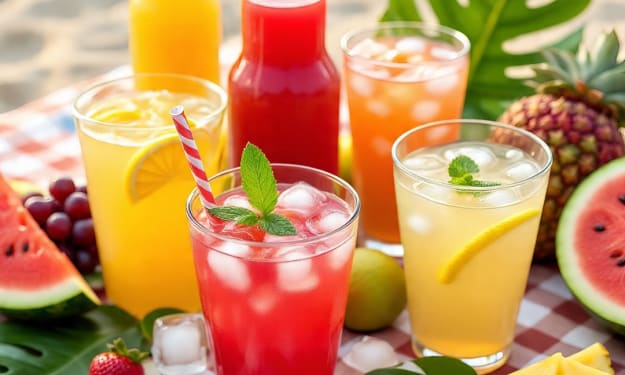
Sipping into Summer: Refreshing Drinks to Beat the Heat
Sipping into Summer: Refreshing Drinks to Beat the Heat Cool, Delicious, and Easy-to-Make Beverages to Keep You Hydrated All Season Long As the summer sun blazes overhead and temperatures soar, there's nothing quite like the feeling of taking that first cold sip of a refreshing drink. Whether you're lounging on a beach, hosting a backyard barbecue, or simply trying to cool off after a long day, the right beverage can instantly lift your mood and help you stay hydrated. Summer drinks aren’t just about quenching thirst—they’re an experience. The sound of ice clinking in a glass, the aroma of fresh mint or citrus, and the burst of flavor from ripe fruits all come together to create something special. From timeless classics to creative new blends, here’s a look at some cool drink ideas that can make your summer even more enjoyable. The Timeless Charm of Lemonade No list of summer drinks would be complete without the classic lemonade. It’s simple, tangy, sweet, and incredibly versatile. Traditional lemonade is made from just three ingredients: fresh lemon juice, water, and sugar. But there’s room to get creative! Add crushed strawberries for a fruity twist, or throw in a few sprigs of mint for a refreshing lift. For those who love bubbles, sparkling lemonade with soda water is an easy upgrade. Lemonade not only cools you down but is packed with vitamin C, helping to keep your immune system in check during the hot season. Iced Tea: A Refreshing Ritual Another crowd-pleaser, iced tea offers endless variety. Whether you prefer green tea, black tea, or herbal blends, a good iced tea can be both cooling and calming. Try brewing your favorite tea, letting it chill, and then adding slices of peach, lemon, or cucumber. Sweeten it lightly with honey or agave syrup. For an extra-refreshing version, cold-brew your tea overnight in the fridge. This method creates a smoother, less bitter flavor—and you can make a big batch to enjoy throughout the week. Fruit-Infused Waters: Beauty and Hydration in a Glass If you're trying to cut back on sugar but still want flavor, fruit-infused water is a fantastic option. Simply slice up fruits like oranges, strawberries, watermelon, or kiwi, and add them to a jug of cold water along with herbs like basil or mint. Let it sit for a couple of hours in the fridge, and voilà—you have a naturally flavored drink that’s beautiful to look at and even better to sip. Infused water encourages better hydration, especially for those who find plain water boring. Plus, it’s a fun way to experiment with different flavor combinations. Smoothies: Summer in a Blender Smoothies are like dessert you don’t have to feel guilty about. They’re cold, creamy, and customizable. Use frozen fruits like bananas, berries, or mango as your base, add a splash of milk or a dairy-free alternative, and blend until smooth. Toss in a spoonful of yogurt for a thicker texture or some chia seeds for an energy boost. Want something even cooler? Blend in a handful of ice cubes or frozen coconut water for a slushy consistency. Smoothies are great for breakfast, post-workout, or anytime you need a pick-me-up. Coconut Water: Nature’s Electrolyte Drink On especially hot days when you're sweating more, coconut water is a natural solution. It’s loaded with electrolytes like potassium and magnesium, making it perfect for rehydration. Serve it chilled over ice with a squeeze of lime or mix it with pineapple juice for a tropical vibe. Bonus: it’s low in calories and has a lightly sweet taste that’s refreshing without being overpowering. Chilling Out with Homemade Popsicles Okay, so not technically a drink—but homemade popsicles are another great way to stay cool and hydrated. Blend your favorite summer drink (like smoothie mix, lemonade, or fruit juice), pour it into molds, and freeze. You get a healthy frozen treat that’s both fun and cooling. Kids especially love these, and they’re a great way to sneak more fruits and even veggies into their diet. --- Summer is a season of color, light, and life—and your drinks should reflect that. Whether you're enjoying a solo afternoon with a book or celebrating with friends, these cooling beverages can turn an ordinary day into a special one. So go ahead, fill your glass with something bright and refreshing, add a fun straw or slice of fruit on the rim, and sip your way into a cooler, happier summer. Cheers to staying cool and hydrated—with flavor!
By Muhammad Saad 7 months ago in Humans
THE MOST DANGEROUS RELATIONSHIP RED FLAGS THAT APPEAR TOO LATE
The Psychology of Silent Resentment in Relationships Not all relationship problems are loud. Some don’t show up as shouting, insults, or dramatic fights. Instead, they grow quietly beneath the surface. Smiles become forced. Patience becomes thinner. Affection feels mechanical.
By The Curious Writer3 days ago in Humans


Comments
There are no comments for this story
Be the first to respond and start the conversation.